
Enhance Your Workout: The Ultimate Guide to the Pilates Yoga Ball
So, you've got your eye on the pilates yoga ball, huh? Good choice. This thing is more than just a big inflatable sphere; it's a seriously versatile tool that can really change how you work out and even how you feel day-to-day. Whether you're looking to beef up your core strength, get a better handle on your balance, or just add some fresh moves to your fitness routine, this ball is a great place to start. We're going to dive into how to make sure you've got the right fit, how to use it effectively, and some cool exercises to try. Let's get rolling!
Key Takeaways
- Using the pilates yoga ball correctly sized for your body helps you maintain good form, making exercises work better and reducing strain.
- The pilates yoga ball is a fantastic tool for building core muscles and improving your overall stability and balance.
- You can do lots of different exercises with a pilates yoga ball, from simple core moves to tougher strength and flexibility workouts.
- Beyond your workout time, sitting on the pilates yoga ball can help improve your posture and your body awareness all day long.
- A pilates yoga ball adds a fun challenge to your routine, helping your body work in new ways and making your fitness journey more interesting.
Unlock Your Potential With The Pilates Yoga Ball
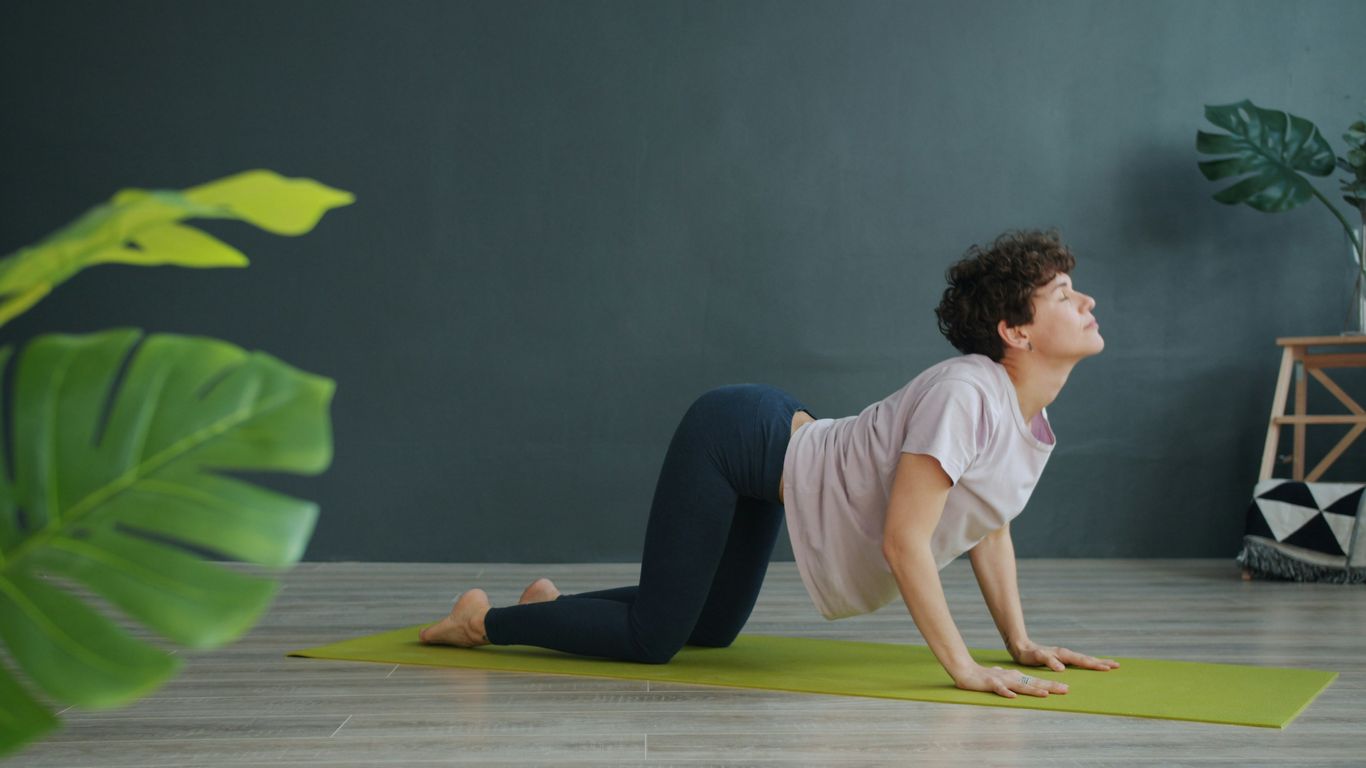
The Pilates yoga ball, often just called a stability or exercise ball, is more than a simple prop—it's a game changer for anyone who wants to get more out of their workout. Its biggest advantage is how it challenges your body in unexpected ways. There’s just something about trying to stay steady on a ball that wakes up every muscle, especially your core. If you’ve only ever used one for basic stretches or to sit at your desk, you’re missing out on a ton of its benefits.
Enhancing Core Strength And Stability
Using a Pilates yoga ball activates your core muscles way more than standard floor exercises. The ball’s unstable surface makes your deeper stabilizer muscles kick in with every move. Here's how it helps you get stronger:
- Forces you to keep your abs and back engaged
- Makes simple exercises like crunches or bridges much more intense
- Builds endurance in those small but mighty support muscles
| Exercise | Main Muscles Worked | Challenge Level |
|---|---|---|
| Ball Crunch | Rectus Abdominis | Moderate |
| Plank (feet on ball) | Abs, Shoulders, Glutes | High |
| Side Balance (on ball) | Obliques, Hips | Moderate-High |
Smaller stabilizing muscles get plenty of work with the Pilates yoga ball, which means your core doesn't get a break—even during moves that seem pretty simple at first glance.
Improving Balance And Coordination
Balance isn’t just about standing on one leg—it's tied to how all your muscles coordinate as you move. The Pilates yoga ball is a unique tool here, because even the act of sitting or lying on it demands a steady effort from your body.
- Encourages body awareness: You get immediate feedback if you start to tip or wobble.
- Teaches slow, steady movement: Fast, jerky motions don’t work on the ball—you’ll end up on the floor.
- Strengthens legs and ankles: You’re always making tiny adjustments with your lower body.
If you're struggling to coordinate new movements, start slow, focus on control, and give yourself time. Some days you'll be all over the place, but with repetition, things click.
Adding Variety To Your Fitness Regimen
Let’s be honest, workouts can get boring. The Pilates yoga ball brings fresh options that keep things interesting.
- You can swap the ball in for equipment like benches or chairs.
- It’s perfect for making basic moves more dynamic—squats, push-ups, you name it.
- The ball is easy to roll out at home, no gym needed.
Experimenting with new exercises can make workouts fun again, and the Pilates yoga ball keeps you guessing in the best way. If you ever feel unmotivated, having a couple of new moves up your sleeve can make all the difference.
If you’ve been feeling stuck with your usual routine, the Pilates yoga ball offers a simple, affordable way to shake things up and really feel your progress.
Mastering The Pilates Yoga Ball For A Stronger You
So, you've got your Pilates ball and you're ready to really mix things up. That's great! This ball isn't just for sitting or doing basic crunches; it's a tool that can seriously spice up your regular fitness routine. Think of it as a way to add a little challenge and a lot more engagement to exercises you already do. It's all about making your workouts more dynamic and getting more out of them, muscle-wise.
Essential Exercises With Your Pilates Yoga Ball
Adding a Pilates ball to your workouts isn’t just a new trend—it really does kick things up a notch for your whole body, not just your midsection. You get an extra stability challenge, which means your muscles have to work harder to keep you steady. The result? You start to notice real changes in how strong and balanced you feel.
Your core does more than just power crunches—it keeps you stable every time you move. Try these with your Pilates ball:
- Ball Crunches: Sit on the ball, roll down until your lower back is supported, then do slow crunches. Keep your core tight.
- Russian Twists: Sit on the floor, rest your lower legs on the ball, hold a weight or just clasp your hands, and twist your torso side to side.
- Planks (Feet or Hands on Ball): Placing either your hands or feet on the ball creates more instability, so your core has to fire the whole time.
Rolling your back out over the ball and holding a crunch for a count or two makes the muscles burn quickly. It’s way harder than it looks.
Lower Body Challenges With The Ball
A Pilates ball isn’t just for abs. It can help target your legs and glutes, especially when you get creative.
- Wall Squats: Stand with the ball pressed between your lower back and a wall. Squat down, making sure your knees don’t pass your toes, and push through your heels to stand.
- Hamstring Curls: Lie on your back with your feet on top of the ball, lift your hips, and roll the ball toward you by bending your knees. Slowly roll it back out.
Push-ups And Advanced Movements
Performing push-ups with hands on the ball requires more shoulder and chest stability. Once you're comfortable with adding resistance and reducing your base of support, it's time to explore some entirely new movements. Don't be afraid to look up variations of exercises you already know and see how the ball can transform them. Consider ball passes between your feet while in a plank position, or controlled leg curls where you lie on your back with your feet on the ball and curl your heels towards your glutes. You might also try exercises like "roll-outs" where you kneel in front of the ball, place your hands on it, and slowly roll it away from you, extending your body while keeping your core engaged. The key is to keep your body guessing and to focus on slow, controlled execution.
When you start incorporating these advanced techniques, remember that consistency is more important than intensity. It's better to do a few reps with perfect form than many reps with sloppy technique. Listen to your body, and don't push through pain. Progress comes with regular, mindful practice, not just occasional bursts of extreme effort. Take your time, master each new movement, and you'll be amazed at how much stronger and more stable you become.
The instability of the ball means your smaller stabilizing muscles have to work harder. This is where a lot of the benefit comes from, but it also means you need to be more controlled. Don't rush it. When you're doing exercises, focus on keeping your core tight and your back straight. If you start to feel wobbly, it's better to stop, reset, and then continue. Trying to push through when you're unstable is a fast track to injury. Remember, engaging your core constantly is key; think of it as your anchor.
Elevate Your Workouts With Pilates Yoga Ball Variations
So, you've got your Pilates yoga ball and you're ready to really mix things up. That's great! This ball isn't just for sitting or doing basic crunches; it's a tool that can seriously spice up your regular fitness routine. Think of it as a way to add a little challenge and a lot more engagement to exercises you already do. It's all about making your workouts more dynamic and getting more out of them, muscle-wise.
Adding Resistance to Ball Exercises
Think of your Pilates ball as a stable base, but what if you could add another layer of challenge? You can! Incorporating light weights or resistance bands alongside your ball work can seriously up the ante. For instance, try holding light dumbbells during ball crunches or passing a light medicine ball between your ankles while your legs are on the larger Pilates ball. This forces your stabilizing muscles to work even harder to control the added load. It's not about lifting heavy; it's about controlled movement against a bit of extra force.
Reducing Base of Support for Intensity
This is where things get really interesting. The instability of the ball is already a challenge, but you can amplify it by reducing the points of contact your body has with the floor or the ball itself. Think about exercises like planks. Instead of having both hands on the floor and feet on the ball, try placing your hands on the ball and your feet on the floor. Or, take it a step further: lift one leg off the floor while in that position. Another great example is a bridge. Instead of keeping both feet on the floor, place your feet on the ball and lift one leg. This dramatically increases the demand on your core and legs to maintain stability.
Here's a quick breakdown of how reducing your base of support impacts exercises:
- Plank Variations: Moving hands or feet onto the ball, or lifting a limb, increases core and shoulder work.
- Bridge Variations: Placing feet on the ball and lifting one leg targets glutes and hamstrings more intensely while challenging balance.
Exploring New and Challenging Movements
Once you're comfortable with adding resistance and reducing your base of support, it's time to explore some entirely new movements. Don't be afraid to look up variations of exercises you already know and see how the ball can transform them. Consider ball passes between your feet while in a plank position, or controlled leg curls where you lie on your back with your feet on the ball and curl your heels towards your glutes. You might also try exercises like "roll-outs" where you kneel in front of the ball, place your hands on it, and slowly roll it away from you, extending your body while keeping your core engaged. The key is to keep your body guessing and to focus on slow, controlled execution.
When you start incorporating these advanced techniques, remember that consistency is more important than intensity. It's better to do a few reps with perfect form than many reps with sloppy technique. Listen to your body, and don't push through pain. Progress comes with regular, mindful practice, not just occasional bursts of extreme effort. Take your time, master each new movement, and you'll be amazed at how much stronger and more stable you become.
Integrating The Pilates Yoga Ball Into Daily Life
So, you've got your Pilates ball, and you're ready to really mix things up. That's great! This ball isn't just for intense workouts; it's a tool that can seriously spice up your regular fitness routine. Think of it as a way to add a little challenge and a lot more engagement to exercises you already do. It's all about making your body more aware of its own alignment and strength, even when you're not actively exercising.
Improving Posture While Sitting
Spending hours at a desk can really do a number on your back and posture. Many people find that simply swapping out their regular chair for a Pilates ball at their workspace makes a big difference. Sitting on the ball naturally encourages you to engage your core muscles without even thinking about it. This constant, gentle engagement helps you sit taller and can reduce that nagging back strain that often comes with prolonged sitting. It's a simple change, but it can really impact how you feel, especially if your job keeps you glued to a chair. You can find great resources for desk yoga ball exercises to get started.
Gentle Movement For Everyday Wellness
It's not all about intense workouts. You can use your Pilates ball for simple, gentle movements that contribute to your overall wellness. Think about rolling out your back on it after a long day, or doing some easy twists while seated on the ball. These kinds of movements help your body become more aware of its own alignment and strength. It's a low-impact way to get moving again and can be a big help in reducing aches and pains, especially in your back.
Increasing Core Awareness Throughout The Day
Ever feel a bit wobbly? Or maybe you find yourself slouching without even realizing it? Your Pilates ball can help with that too. The instability of the ball forces you to pay attention to your body's position. As you try to stay balanced, you naturally engage the muscles that help you stand tall. Over time, this can lead to a noticeable improvement in your posture and your overall sense of balance, making everyday activities feel easier and reducing the risk of falls. This improved proprioception means your body gets better at knowing where it is in space.
Here's a quick look at how the ball helps daily:
- Better Posture: A stronger core helps you stand and sit taller.
- Improved Balance: This translates to everyday movements, making you feel more grounded.
- Reduced Strain: Better posture means less stress on your back and neck.
The goal is to make fitness a natural part of your life, and the Pilates ball is a surprisingly effective way to do just that. It's about making your body more aware of its own alignment and strength, even when you're not actively exercising.
Choosing And Using Your Pilates Yoga Ball Safely
Alright, let's get down to the nitty-gritty of picking out your Pilates yoga ball and making sure you use it without any drama. It’s not just about having the right gear; it’s about making sure your workout is effective and, more importantly, safe. A little bit of attention here can save you a lot of hassle later.
Understanding The Pilates Yoga Ball Fit
First things first, size matters. You don't want a ball that's too big or too small, because that can mess with your form and even lead to strain. A good rule of thumb is to sit on the ball with your feet flat on the floor. Your knees should be bent at about a 90-degree angle, and your thighs should be roughly parallel to the ground. For many people, especially those between 5'6" and 5'11", a 65cm ball is a solid choice. But honestly, it's best to try it out if you can. Getting the fit right means your exercises will actually work the way they're supposed to and you won't be awkwardly perched or struggling to reach.
Creating A Safe Workout Environment
Before you even think about hopping on the ball, take a good look at your surroundings. You need space, and I mean clear space. Think about at least a six-foot radius around you that's totally free of clutter. No stray shoes, no coffee tables you might bump into, no pets weaving around your feet. Also, consider the floor. A smooth, non-slippery surface is ideal. If you're on a slick floor, the ball might just roll away unexpectedly. A yoga mat can help keep things grounded. Basically, you want a spot where you can move freely without worrying about tripping or knocking something over.
Mastering Proper Form And Control
This is where the real magic (and safety) happens. The ball is unstable by nature, and that's what makes it great for your core, but it also means you need to be mindful. Focus on slow, deliberate movements rather than rushing through exercises. If you feel yourself wobbling uncontrollably or losing your balance, it's a sign to ease up. Don't try to push through it; that's how injuries happen. Instead, reset your position, re-engage your core, and try again with more control. Listening to your body is key here. If something feels off, it probably is.
Here are a few pointers to keep in mind:
- Always start with simpler exercises to get a feel for the ball's movement and your own stability.
- If an exercise feels too difficult or you're struggling to maintain good form, modify it or choose a different one for now.
- Pay attention to transitions between exercises. Move smoothly and deliberately, not with sudden jerks.
- Never push yourself to the point where you feel sharp pain. A little muscle fatigue is normal, but pain is a warning sign.
Beyond The Core: Full Body Benefits Of The Pilates Yoga Ball
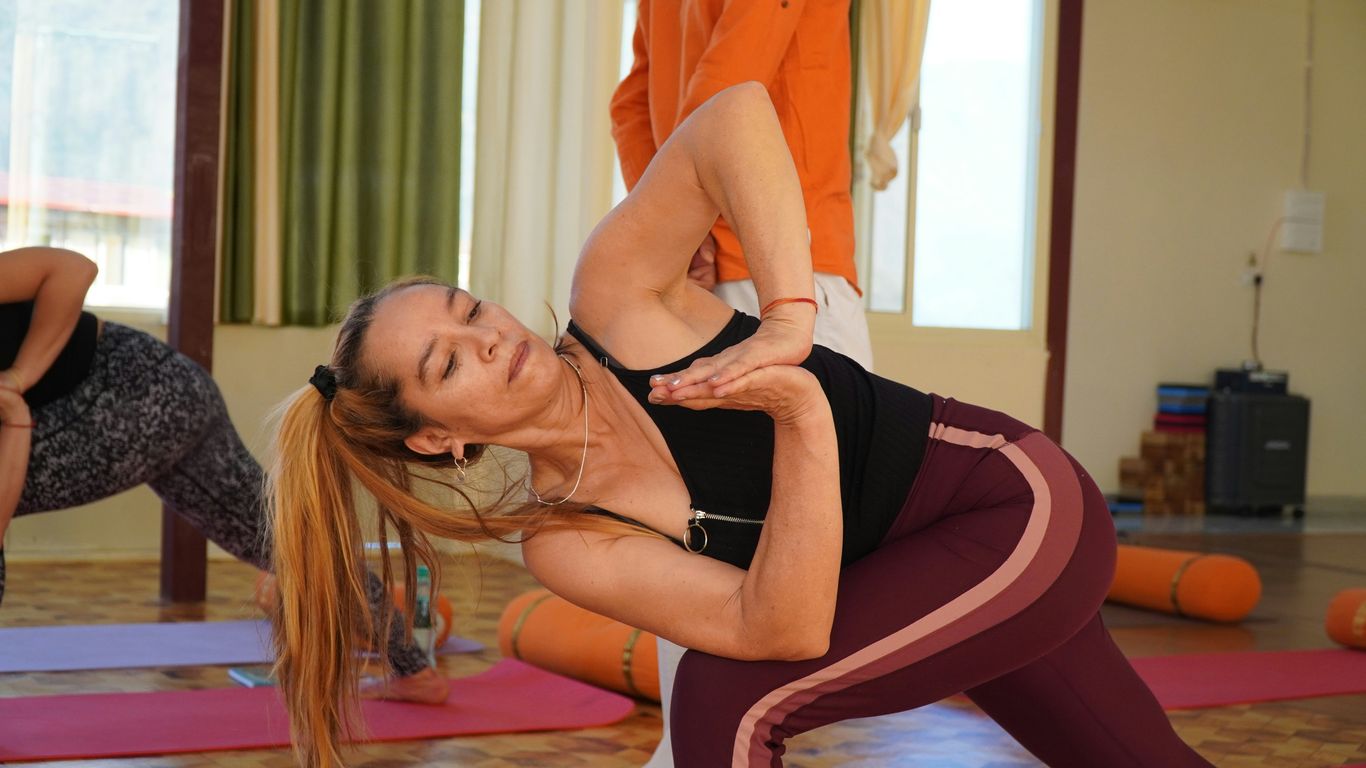
So, you've got your Pilates yoga ball, and you're probably thinking it's all about getting a killer six-pack, right? Well, while it's definitely fantastic for your midsection, this ball does way more than just target your abs. It's a surprisingly versatile tool that can really make a difference in how your whole body feels and functions, even outside of your dedicated workout time.
Better Posture And Reduced Strain
Let's face it, most of us spend a good chunk of our day sitting. Whether it's at a desk, in the car, or on the couch, prolonged sitting can really mess with your posture. Using a Pilates ball as a chair, even for short periods, naturally encourages you to sit up straighter. Your core muscles have to engage just to keep you balanced, which helps strengthen them over time. This constant, gentle engagement can lead to less slouching and, believe it or not, can help ease that nagging back and neck strain that comes from poor alignment. It's a simple swap that can have a big impact on how you feel throughout the day.
Improved Balance For Everyday Life
Think about it: life isn't always on a stable, flat surface. You're walking, reaching, maybe even carrying groceries. The instability of the Pilates ball during exercises forces your body to constantly make tiny adjustments to stay upright. This constant practice translates directly into better balance and coordination in your everyday activities. You'll start to feel more grounded and steady on your feet, which is a huge plus, especially as we get older. It's like training your body's built-in stability system without even realizing it. This is where an exercise ball really shines.
Targeting Specific Muscle Groups
While the core is a major player, the ball is also great for hitting other areas. For your lower body, try wall squats with the ball between your back and the wall, or hamstring curls by lying on your back with your feet on the ball and curling it towards you. For your upper body, push-ups with your hands on the ball demand more shoulder and chest stability. You can even do controlled leg extensions or passes while in a plank position. It adds a whole new level of challenge to movements you might already be doing, making them more effective.
The beauty of the Pilates yoga ball lies in its ability to challenge your body in subtle yet effective ways. It encourages mindful movement and proprioception – your body's awareness of its position in space. This heightened awareness can prevent injuries and improve overall movement efficiency, making everyday tasks feel easier and more controlled.
Here's a quick look at how the ball can help:
- Core Engagement: Constant need for stability fires up abs, obliques, and lower back.
- Balance Improvement: Develops proprioception and reaction time.
- Posture Correction: Encourages spinal alignment and reduces slouching.
- Muscle Activation: Engages smaller stabilizing muscles often missed in traditional workouts.
- Flexibility: Can be used for gentle stretches and back release.
It's pretty amazing how one piece of equipment can offer so many benefits beyond just a strong core. Give it a try and see how it transforms your body!
Keep Rolling With It
So, you've learned a lot about the 65cm Pilates ball. It's pretty amazing how this simple piece of equipment can really change up your workouts and help you feel stronger. Remember to pick the right size, focus on good form, and don't be afraid to try new things with it. Whether you're just starting out or you've been exercising for a while, this ball can be a great addition to your routine. Keep practicing, listen to your body, and enjoy the process of getting stronger and more balanced. You've got this!
Frequently Asked Questions
What exactly is a Pilates yoga ball and why should I use one?
A Pilates yoga ball, also called an exercise ball or stability ball, is a big, inflatable ball you can use for workouts. It's great because it makes your muscles work harder to keep you steady, which helps build core strength and improve your balance. Plus, it makes regular exercises way more interesting and challenging!
How do I know if I have the right size ball?
The best way to check is to sit on the ball with your feet flat on the floor. Your knees should be bent at a 90-degree angle, like you're sitting at a table. If your thighs are parallel to the ground, you've likely got the right size. Using the correct size helps you do exercises the right way and avoid hurting yourself.
What are some easy exercises I can do with the ball to start?
You can start with simple moves like ball crunches, where you sit on the ball and roll down slightly before doing a crunch. You can also try Russian twists while sitting on the floor with your lower legs on the ball. For your lower body, wall squats with the ball behind your back are a good option. These get your core and legs working without being too tough.
How can I make my workouts harder using the ball?
You can increase the challenge in a few ways. Try doing more repetitions or holding exercises like planks for longer. Adding light weights or resistance bands while using the ball also makes it tougher. Another way is to reduce how much of your body is touching the floor or ball, like doing push-ups with your hands on the ball, which makes your core work overtime to keep you stable.
Is the ball only for core exercises?
Not at all! While it's fantastic for your core, the ball can help with your whole body. It can improve your balance, which is useful for everyday activities like walking or reaching for things. It can also help you target specific muscles in your legs and glutes, and even help improve your posture when you use it for sitting or stretching.
How can I stay safe when using a Pilates yoga ball?
Safety is super important! First, make sure you have plenty of clear space around you, free from anything you could trip on. Use the ball on a non-slippery surface, maybe with a yoga mat underneath. Always focus on slow, controlled movements and proper form. If an exercise feels too hard or you start to lose balance, it's better to stop, reset, or try an easier version. Listen to your body and don't push through pain.

