

Enhance Your Alignment: The Ultimate Guide to Posture in Yoga
Here are the main things to remember from our guide to improving your posture in yoga. These points will help you build a solid foundation for a safer and more effective practice.
Key Takeaways
- Yoga's ancient wisdom, like 'Sthira Sukham Asanam', teaches us that postures should be both steady and comfortable.
- Focus on lengthening your spine and maintaining its natural curves before trying to go deeper into a pose.
- Body awareness, or proprioception, is key; learn to feel what's happening inside your body to guide your alignment.
- Specific poses like Mountain Pose and Downward-Facing Dog are excellent for practicing and improving overall body alignment.
- A consistent, non-judgmental practice (Abhyasa and Vairagya) helps release ego and find contentment, which supports better posture.
Understanding the Foundation of Posture in Yoga
Yoga postures, or asanas, are more than just physical shapes. They're a way to connect with your body and mind, and getting them right is pretty important. It's not about how far you can bend or how high you can lift your leg; it's about how you feel in the pose. The ancient yogis knew this, and their teachings still hold true today. They talked about finding a balance between effort and ease, and that's really the core of good posture in yoga.
The Ancient Wisdom of Sthira Sukham Asanam
This phrase, "Sthira Sukham Asanam," comes from the Yoga Sutras of Patanjali. It's a simple idea but really powerful. "Sthira" means steady, firm, or stable. "Sukham" means comfortable, easy, or pleasant. And "Asanam" means posture or seat. So, put together, it means a posture should be steady and comfortable. This is the ultimate goal for any pose you practice. It's not about forcing yourself into a shape that looks good but feels awful. It's about finding a place where you can be both strong and at ease, breathing freely. This principle is key to a safe and beneficial yoga practice, helping you avoid injuries and get the most out of your time on the mat. It's a reminder that yoga isn't about pushing your limits to the point of pain, but about finding a sustainable way to move and be.
Bridging Ancient Texts with Modern Biomechanics
It might seem like ancient yoga texts and modern science are worlds apart, but they actually have a lot in common when it comes to posture. While the old texts talk about energy and consciousness, they also describe physical principles that modern biomechanics now explains. For example, the idea of creating length in the spine before deepening a pose is something that scientists studying the human body also emphasize for preventing back strain. Understanding how your bones and muscles work together, as explained by biomechanics, can help you apply the ancient wisdom more effectively. It's about using what we know now about the body to honor the timeless advice from yoga's past. This blend helps make your practice safer and more effective, ensuring you're building strength and flexibility without causing harm. You can find more on key alignment principles that bridge these ideas.
The Role of Core Strength in Spinal Alignment
Your core muscles are like the foundation of a house for your spine. They include your deep abdominal muscles, your pelvic floor, and even your diaphragm. When these muscles are strong and working together, they create a stable cylinder around your torso. This stability is what protects your spine, especially your lower back, from injury. In yoga, many poses require you to engage your core without even thinking about it. For instance, in poses like Plank or Boat Pose, a strong core helps keep your spine neutral and supported. Without this support, you're more likely to put stress on your vertebrae, leading to pain or injury. Building core strength isn't just about getting a flat stomach; it's about creating a resilient and healthy spine that can support you through all your movements, both on and off the mat. It's a vital part of safe yoga practice.
Key Principles for Optimal Yoga Posture
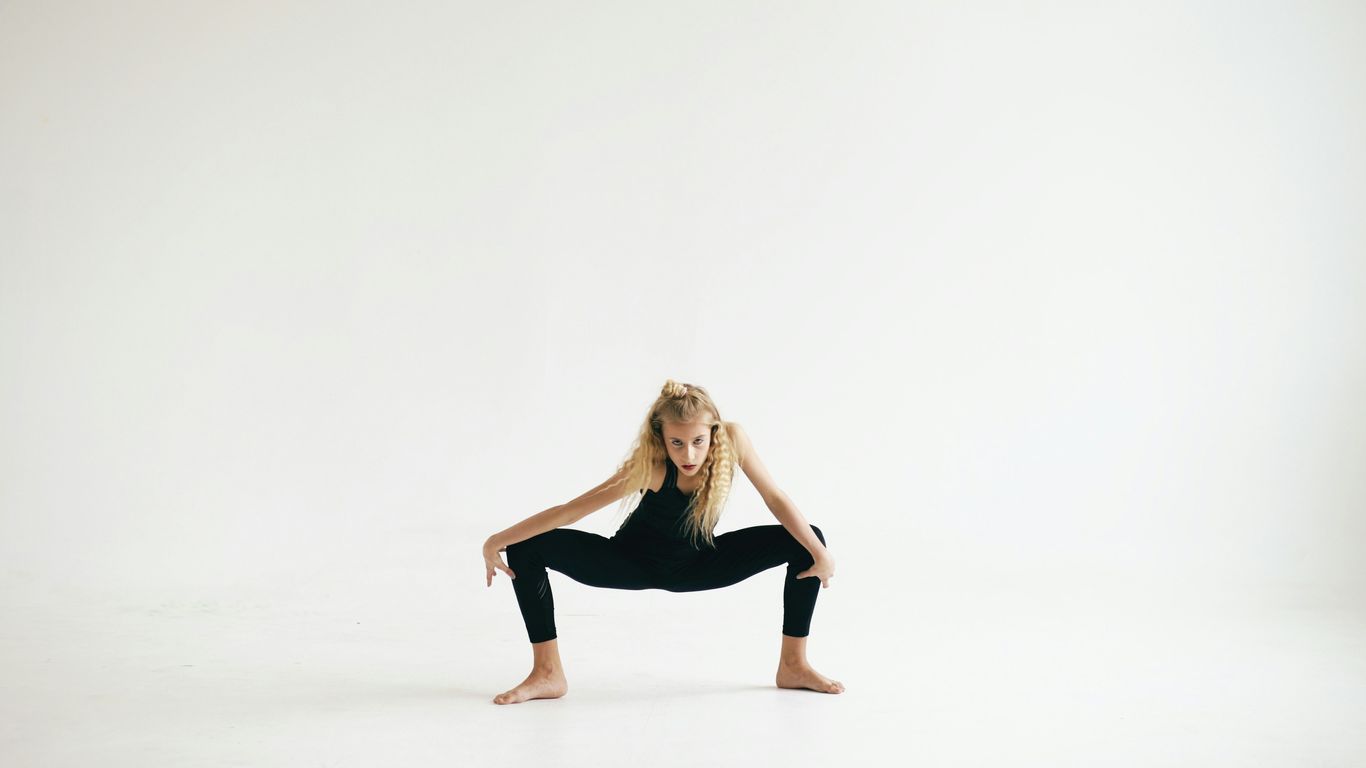
Alright, let's talk about how to actually do yoga poses well, not just get into them. It's not about how far you can bend or twist, but about how you hold yourself. Think of it like building a house; you need a solid foundation and good structure before you start decorating.
Maintaining Natural Spinal Curves
Your spine isn't meant to be a straight, rigid stick. It has natural curves – a gentle inward curve in your neck and lower back, and an outward curve in your upper back. Trying to force it into a different shape, like flattening your lower back completely in a forward fold, can actually cause problems. The goal is to respect these natural shapes and create length within them. Imagine lengthening your spine in both directions, like you're gently stretching it out, rather than trying to make it unnaturally straight. This helps distribute weight properly and keeps things safe.
Prioritizing Length Before Depth
This is a big one, especially in poses like forward folds or twists. Before you try to go deeper into a stretch, focus on making your spine long. For example, in a seated forward fold, instead of just rounding your back to get your head closer to your knees, first lengthen your spine as if you're trying to reach your chest forward. Once you have that length, then you can allow a gentle bend to come from the hips. It’s about creating space and stability first. This approach helps prevent injuries and makes the pose more effective. It’s a bit like stretching a rubber band – you want to lengthen it before you stretch it out fully. This mindful approach is key to proper yoga alignment.
Integrating Breath with Movement
Your breath is your best friend in yoga, seriously. It's not just something you do to stay alive; it's a guide. When your breath is smooth and steady, you're probably in a good place alignment-wise. If it becomes choppy, strained, or you find yourself holding it, that's a signal. It means you might be pushing too hard or not in the right position. Traditional vinyasa, which means 'to place in a special way,' is all about coordinating your breath with your movement. Use your inhales to create space and length, and your exhales to soften and deepen, but only if it feels right. Don't force anything on the exhale; it's more about releasing tension than pushing further. This connection is a core part of yoga practice.
The journey into a pose is just as important as the final shape. Moving with awareness, guided by your breath, allows you to feel what's happening in your body and make adjustments before strain sets in. It’s about being present with the sensation, not just achieving a look.
Here's a quick rundown of what to look for:
- Spinal Curves: Respect the natural S-shape. Lengthen, don't flatten.
- Length First: Create space in the spine before deepening a stretch.
- Breath as a Signal: Smooth breath means good alignment; strained breath means adjust.
- Mindful Transitions: Move slowly, coordinating with your breath.
- Listen to Your Body: Stop if you feel sharp pain or excessive strain.
Cultivating Body Awareness for Better Alignment
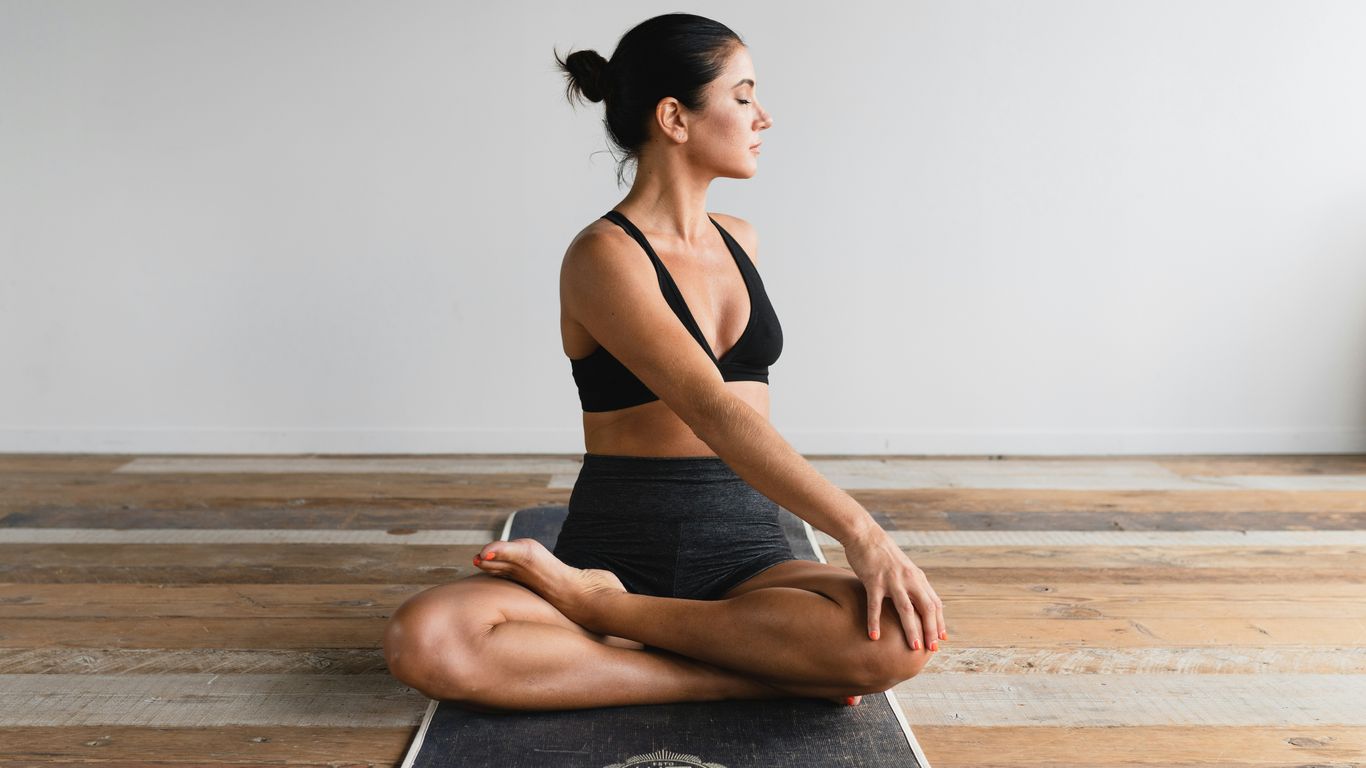
Think about it: how often do you really feel what your body is doing? In yoga, this internal sensing is super important for getting your alignment right. It’s not just about looking a certain way; it’s about knowing what’s happening inside.
Developing Proprioceptive Awareness
Proprioception is basically your body's built-in GPS. It's the sense of where your limbs are in space, even with your eyes closed. In yoga, we want to tune into this. Instead of just copying what the teacher does, try to feel the subtle signals your body sends. Are your shoulders creeping up to your ears? Is your lower back collapsing? Paying attention to these small details helps you adjust yourself without needing constant external cues. It’s like learning to listen to your own inner wisdom. This kind of awareness is key to proper alignment in yoga asana.
The Inner Teacher's Guidance
Ancient yogis talked about an 'inner teacher,' a kind of intuitive knowing that guides us. In our practice, this inner teacher speaks through sensations. If a pose feels sharp or strained, that's a signal to back off. If it feels stable and comfortable, you're likely in a good spot. It’s about finding that sweet spot between effort and ease, not pushing yourself into pain. This internal feedback loop helps you understand what works for your body, not just what looks good.
Mindful Practice with Eyes Closed
Want to really amp up your body awareness? Try practicing some poses with your eyes closed. Start with simple ones, like Mountain Pose or a gentle seated forward bend. This forces you to rely on your internal senses rather than visual cues. You'll probably notice more wobbles or shifts than you expected, and that's totally okay! It’s all part of the learning process. This practice helps you build a stronger connection to your physical self, making your alignment more intuitive and less dependent on external validation.
The goal isn't to achieve a perfect pose every time, but to develop a deeper relationship with your body's intelligence. This internal dialogue is where true transformation happens, far beyond the physical shape.
Mastering Specific Poses for Posture Enhancement
Alright, so we've talked a lot about the 'why' and 'how' of good posture in yoga. Now, let's get down to the nitty-gritty: actually doing some poses that will help you stand taller and feel better. It's not about being perfect right away, but about building awareness and strength, one pose at a time.
Downward-Facing Dog for Full Body Alignment
This pose, Adho Mukha Svanasana, is a classic for a reason. It's like a full-body stretch and strengthener all rolled into one. Think of it as a reset button for your spine. When you're in it, really press into your hands, spread your fingers wide, and lift your hips up and back. Your body should look like an upside-down 'V'. Don't worry if your heels don't touch the floor, or if your legs are a bit bent – that's totally fine, especially when you're starting out. The main thing is to keep your head relaxed, ears between your upper arms, and to feel that nice lengthening through your spine. It's a great way to get a sense of how your whole body connects and aligns.
- Start on your hands and knees.
- Tuck your toes and lift your hips up and back.
- Press firmly through your hands, spreading your fingers.
- Keep your head neutral, looking towards your feet.
Mountain Pose: The Vertical Alignment Blueprint
Mountain Pose, or Tadasana, might seem too simple to be effective, but don't let its stillness fool you. It's actually a really detailed pose that teaches you about vertical alignment. Standing tall, feet grounded, chest open, shoulders relaxed down and back – it’s about finding that sweet spot where you feel balanced and upright without any tension. You want to feel equally weighted through both feet and imagine a string gently pulling you up from the crown of your head. It's the foundation for so many other standing poses, so getting this right is a big deal for your overall posture. It's a good idea to practice this pose often, maybe even every time you catch yourself slouching. You can find more details on how to do it.
Mountain Pose is where you learn to feel your body's natural vertical line. It's about finding balance and symmetry, not forcing yourself into a rigid shape. Pay attention to the subtle adjustments that bring you to a state of ease and uprightness.
Boat Pose for Core Stability
Now, let's talk about the core. A strong core is super important for supporting your spine and maintaining good posture. Boat Pose, or Paripurna Navasana, is fantastic for this. You can start by sitting on the floor, knees bent, feet flat. Then, you lean back slightly, lift your feet off the ground, and extend your legs. The goal is to keep your back straight, not rounded, and to feel your abdominal muscles working. You can keep your knees bent if that's more comfortable. Holding this pose builds strength in your abs and lower back, which directly translates to better support for your spine throughout the day. It's a challenging pose, but the benefits for your posture are huge.
| Pose Component | Focus Area |
|---|---|
| Shins | Parallel to the floor |
| Arms | Extended forward, palms facing each other |
| Spine | Long and straight, avoiding rounding |
| Core | Actively engaged to support the pose |
The Mental Landscape of Correct Postures
It's easy to get caught up in the physical act of yoga, focusing only on how our bodies look or feel in a pose. But what's happening in our minds plays a huge role in how well we align ourselves. Think about it – if you're constantly frustrated or pushing too hard, your body is going to tense up, right? That's where the ancient yogic concepts of abhyasa and vairagya come in, offering a mental framework for better posture.
The Power of Abhyasa and Vairagya
Abhyasa means consistent, dedicated practice. It’s not about doing a crazy-long session once a month; it’s about showing up regularly, even for just a few minutes. This steady effort builds muscle memory and allows your body to learn proper alignment without you having to think too hard about it. Vairagya, on the other hand, is about non-attachment. This means letting go of the need to achieve a certain look in a pose, comparing yourself to others, or getting upset if you can't do something today that you could do yesterday. It's about accepting where you are right now.
Here’s a breakdown of how these two qualities help:
- Abhyasa:
- Showing up consistently, even when you don't feel like it.
- Being patient with your body's current capabilities.
- Focusing on the process, not just the outcome.
- Approaching each practice with fresh eyes.
- Vairagya:
- Not comparing your poses to anyone else's.
- Accepting your body's limits for the day.
- Finding peace in a pose, even if it's not
Preventing Injuries Through Mindful Practice
It's easy to get caught up in the aesthetic of yoga, wanting to achieve that perfect pose you saw online. But pushing too hard, too fast, can lead to some real problems. Yoga is supposed to feel good, not hurt. Understanding how to practice safely is just as important as the poses themselves.
Understanding Common Alignment Faults
Lots of yoga injuries happen because we're not quite lining things up right. It's not always obvious, but small misalignments can add up. Think about rounding your back in a forward fold instead of hinging at the hips – that puts a lot of stress on your lower back. Or maybe forcing your hips open in a seated pose when they're not ready, which can strain your knees. Even in simple poses like Downward-Facing Dog, if your shoulders are creeping up to your ears, you can end up with neck and shoulder pain. Paying attention to these subtle details can make a huge difference.
Here are some common issues:
- Forward Folds: Rounding the spine instead of lengthening it from the hips.
- Hip Openers: Forcing the knees or hips beyond their natural range of motion.
- Arm Balances: Shoulder and wrist strain from improper weight distribution.
- Twists: Rotating the spine without creating length first.
The Importance of Gradual Progression
This is a big one. You wouldn't try to run a marathon without training, right? Yoga is similar. Your body needs time to build strength, flexibility, and awareness. Trying to jump into advanced poses before you're ready is a recipe for injury. It's about showing up consistently and respecting where your body is each day. Building a solid foundation in simpler poses will actually help you get deeper into more complex ones later on, safely. You can find some great resources on yoga and mindful mobility that emphasize this slow and steady approach.
Using Props as Wisdom Tools
Props aren't a sign of weakness; they're smart tools that help you find the right alignment and support your body. A block under your hands in a forward fold can help you keep your spine long. A strap around your feet in a seated pose can help you maintain an upright torso. Even a blanket under your hips can make a world of difference in comfort and stability. They allow you to experience the pose correctly without straining. It's about working with your body, not against it. Think of them as guides, helping you understand the pose's true shape and sensation.
The goal isn't to look a certain way, but to feel a certain way – stable, comfortable, and connected. When you listen to your body and use props wisely, you create a practice that supports your well-being, both on and off the mat.
Conclusion
Getting your yoga posture right isn't just about looking good in a pose; it's about building a stronger, more aware, and healthier body. By understanding the basics, practicing mindfully, and listening to your body, you can transform your practice and your everyday life. Remember, yoga is a journey, and each step you take towards better alignment is a step towards greater well-being. Keep showing up, keep breathing, and keep finding that sweet spot of steady comfort in your poses.
Frequently Asked Questions
What's the most important thing to remember about yoga posture?
The most important thing is to find a balance between being steady and feeling comfortable in each pose. It's not about pushing yourself hard, but about finding a place where you feel stable yet relaxed. Think of it as being strong but not tense.
How does my breath help with posture in yoga?
Your breath is like a guide. When you breathe smoothly and easily, you're usually in good alignment. If your breath gets choppy or you hold it, it's a sign that you might be straining or pushing too hard. Following your breath helps you stay safe and aligned.
Can I really fix my posture just by doing yoga?
Yoga can definitely help a lot! It strengthens the muscles that support your spine and makes you more aware of how you hold your body. Over time, this awareness and strength can carry over into your daily life, helping you stand and sit straighter even when you're not on your mat.
What if a yoga pose feels really hard or impossible for me?
That's totally normal! Everyone's body is different. Instead of forcing it, try using props like blocks or straps to help you get into a similar shape that still feels good. The goal is to find what works for your body right now, not to look like someone else.
How can I tell if I'm doing a pose correctly?
Pay attention to how it feels. Are you holding tension anywhere you don't need to? Is your breath smooth? Does it feel stable and somewhat comfortable? Learning to listen to your body's signals is a huge part of practicing yoga correctly.
Is it okay to practice yoga with injuries?
It's best to be careful. If you have an injury, talk to your doctor or a physical therapist first. Then, let your yoga teacher know about it. They can help you modify poses so you can still practice safely without making the injury worse. Sometimes, rest is the best option.

