

Effortless Ways: How to Carry a Yoga Mat on Your Backpack
Heading to yoga class with your mat can sometimes feel like a juggling act, especially when you've got a backpack already loaded up. It's a common puzzle: how to carry a yoga mat on backpack without it being a hassle? Luckily, you don't need a special bag or complicated setup. With a few simple tricks and by looking at the features your backpack already has, you can easily strap your mat on and head out the door, hands-free and ready to flow.
Key Takeaways
- Check your backpack for built-in features like compression straps, lash loops, or top flaps that can securely hold your yoga mat.
- Try carrying your mat vertically along the side of your backpack using compression straps for a slim profile, or horizontally across the bottom using lash loops.
- If your backpack lacks external straps, a sturdy belt, a long scarf, or even a large tote bag can be repurposed to carry your mat.
- Consider the size and material of your yoga mat; lighter, thinner mats are generally easier to attach and transport.
- Distribute weight evenly and secure the mat tightly to prevent it from swinging, which can cause discomfort and potential damage.
Leveraging Your Backpack's Built-In Features
Understanding Compression Straps
Many backpacks, especially those designed for hiking or travel, come equipped with compression straps. These are usually found on the sides of the pack. Their primary job is to cinch down the contents, pulling them closer to your back for better stability. But guess what? They also make a pretty decent holster for a rolled-up yoga mat. You can slide your mat vertically between these straps and then tighten them up. This keeps the mat snug against your pack, preventing it from swinging around. It’s a simple trick that makes a big difference, especially if you're walking or taking public transport. Just make sure the straps are tight enough so your mat doesn't wiggle loose on your journey.
Utilizing Lash Loops and Daisy Chains
Take a good look at the bottom and front of your backpack. You might find small loops of webbing, sometimes called "lash loops," or a series of stitched loops known as "daisy chains." These are basically attachment points. You can thread straps, bungee cords, or even the mat's own strap through these loops to secure your mat. This is often a good way to carry your mat horizontally across the bottom of the pack or vertically on the front. It's a bit more hands-on than compression straps, but it can be very secure if done right. Some older bags might have leather patches with slits, which serve the same purpose.
Securing Mats Under Top Flaps
If your backpack has a "brain" – that's the lid or top flap that buckles over the main compartment – you've got another option. You can often slide your rolled yoga mat between the main body of the pack and this top flap. Then, you buckle the flap down over the mat. This method keeps the mat centered and high on your back, which is great for weight distribution. It feels pretty secure, and the mat is out of the way. It's a neat way to use the bag's design to your advantage without needing extra gear. For a bag that makes this easy, you might want to check out high-capacity options.
When using your backpack's features, always double-check that everything is secure before you start moving. A loose mat can be a real nuisance and even a safety hazard.
Mastering External Mat Carrying Techniques
The Side Vertical Carry Method
This is a really common way people carry their mats, especially if they're walking around town or hopping on public transport. You basically roll your mat up tight and strap it to the side of your backpack. It keeps your profile pretty slim, which is handy when you're squeezing through crowds or doorways. Just make sure it's snug so it doesn't flop around. Some backpacks have specific straps for this, but you can often use compression straps or even just the main shoulder straps if you get creative. It's a good method for shorter trips, but be mindful of how it affects your balance.
The Bottom Horizontal Carry Method
If your backpack has loops or straps at the bottom, this is a solid option. You roll your mat and then secure it horizontally across the base of your pack. This can distribute the weight a bit more evenly, which is nice for longer walks. It does make your pack a bit wider, though, so you'll need to be careful not to bump into things, especially in tight spaces. You might need to add your own straps if your bag doesn't come with them, but a simple yoga strap can work wonders here. Just make sure the mat is centered so it doesn't pull you off balance. This method is great for longer treks.
Creating an Anchor With a Yoga Strap
What if your backpack doesn't have any obvious places to attach a mat? No worries! Your trusty yoga strap can be a lifesaver. You can thread it through the top grab handle of your backpack and then use the D-rings to create loops. Slide your rolled mat through these loops and tighten it up. To stop it from swinging around, you can use a bungee cord or even another strap to pin the bottom of the mat against your bag. It's a bit of a DIY approach, but it works really well to keep things secure. This method is super adaptable and can work with almost any backpack, giving you a lot of flexibility.
When securing your mat externally, always think about how it affects your balance. A mat that's too high, too low, or too far to one side can make carrying your backpack uncomfortable and even lead to strain over time. Aim for a centered and snug fit.
Creative Solutions for Carrying Your Mat
Sometimes, the best way to carry your yoga mat doesn't involve a special carrier at all. You might have the perfect solution already sitting in your closet or garage. Let's explore some clever ways to get your mat to class without a fuss.
Repurposing Everyday Items Like Belts and Scarves
Who knew your old belt could be so handy? Roll your mat up as tightly as you can, then loop your belt around the ends. Give it a good tighten, and you've got a secure bundle that's easy to grab and go. This is a lifesaver if you forget your mat strap or just need a quick fix. Similarly, a large, sturdy scarf or shawl can work wonders. Fold your mat, drape the scarf over it, and tie the ends to create a makeshift carrier. You can carry it by hand or sling it over your shoulder. It even adds a bit of personal flair to your commute.
Using Sturdy Tote Bags as Mat Carriers
That big canvas tote bag you use for groceries? It might be just the ticket for your yoga mat. Many totes are built tough and have plenty of room. Just roll your mat and slide it in. If the bag is deep enough, your mat will stay put, protected from the weather and out of the way. Plus, you've got extra space for your water bottle, keys, or a small towel. It's a practical choice that keeps your mat safe and gives you room for other essentials. You can find some great gym bags designed to accommodate yoga mats that function similarly.
DIY Mat Carrier Projects
If you're feeling crafty, why not make your own mat carrier? It's a fun project and you can customize it exactly how you like. You could sew a simple sling from durable fabric, perhaps using old jeans or canvas. All you really need is a long strap and a way to secure the mat. There are tons of tutorials online if you search for "DIY yoga mat sling." It's a rewarding way to create something unique and functional for your practice. It’s a great way to make sure your mat fits perfectly, especially if you have a travel-specific mat that might be a different size than standard ones.
Don't underestimate the power of items you already own. A little creativity can save you money and reduce waste, all while getting your yoga mat where it needs to go.
Choosing the Right Mat for Transport
When you're thinking about strapping your yoga mat to your backpack, the mat itself plays a pretty big role in how easy that's going to be. Some mats are just naturally more portable than others. It's not just about getting from point A to point B; it's about making that journey feel good, too.
Considering Mat Size and Weight
Think about how much your mat weighs and how bulky it is when rolled. A super thick, dense mat might feel great for your practice, but it can be a real pain to secure to a backpack. Lighter, thinner mats are generally easier to manage. For instance, a mat like the eKO® Superlite is designed with portability in mind, making it a breeze to strap on.
Here's a quick look at how mat characteristics can affect transport:
| Mat Feature | Impact on Transport |
|---|---|
| Weight | Heavier mats are harder to balance and can cause strain. |
| Thickness | Thicker mats create a larger roll, making them more difficult to secure. |
| Density | Denser mats can be heavier and may require stronger straps. |
Travel-Specific Mat Features
Many brands now make mats specifically for travel. These are often thinner, lighter, and sometimes even foldable. They might not offer the same plush cushioning as a studio mat, but they make carrying them so much simpler. If you find yourself frequently taking your practice on the road, looking into these travel-friendly options is a smart move. They're built to fit into your life, not the other way around.
Mat Material and Portability
The material your mat is made from also affects how it rolls and how well it stays put. Natural rubber mats, for example, can offer great grip but might be denser. Some synthetic materials are lighter and roll up smaller. If your current mat is proving difficult to strap on, it might be worth exploring mats made with portability as a key feature.
When you strap a yoga mat to a backpack, you are changing the center of gravity of your load. Improperly balanced gear can lead to neck or back strain over time. Always try to keep the heaviest items as close to your spine as possible.
Ensuring Comfort and Mat Longevity
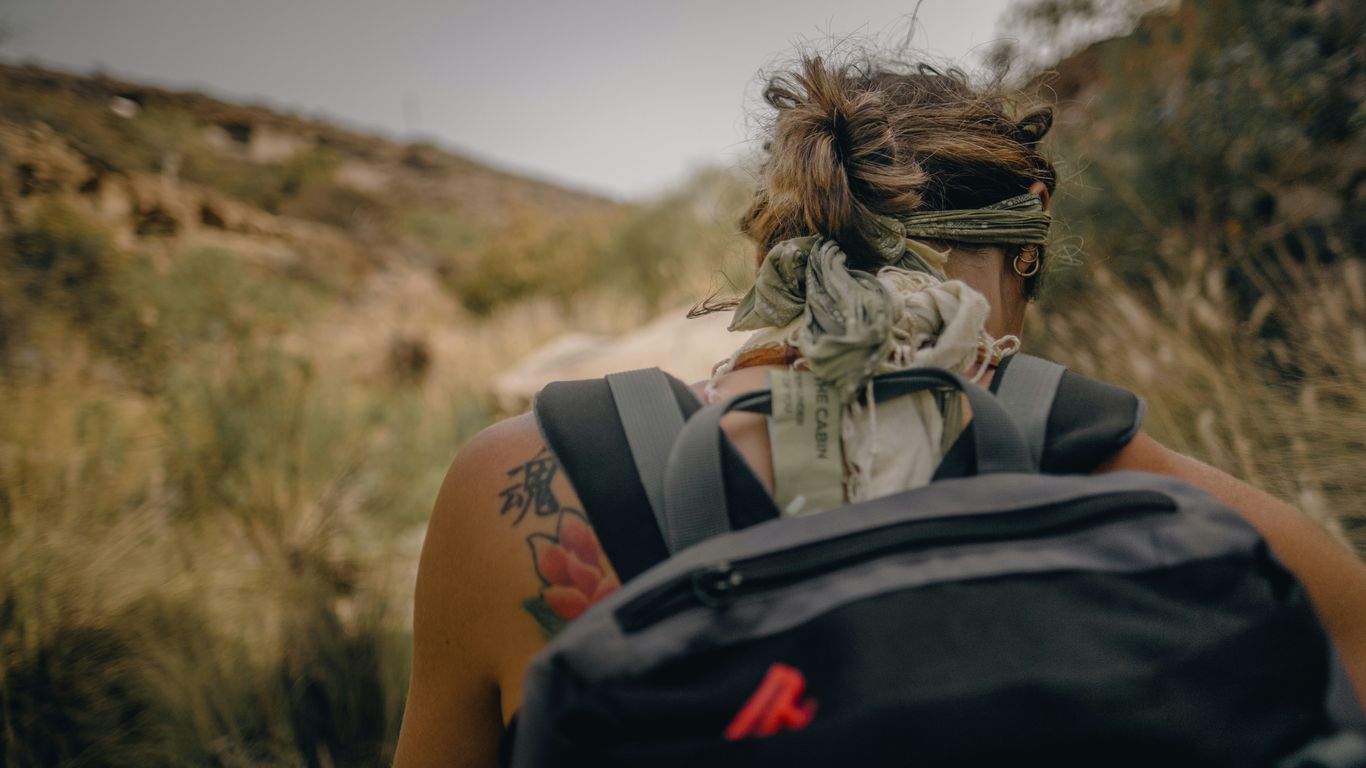
So, you've figured out how to strap your yoga mat to your backpack, which is great! But now, let's talk about making sure that whole setup is actually comfortable to carry and that your mat doesn't end up looking like a crumpled mess. It’s not just about getting it from point A to point B; it’s about doing it without feeling like you're wrestling a bear.
Optimizing Weight Distribution
When you attach a mat to your backpack, you're shifting the weight around. This can mess with your balance if you're not careful. Try to keep the mat as close to your spine as possible, just like you would with any other heavy item in your pack. This helps keep your center of gravity where it should be. If the mat starts swinging around, it feels way heavier than it actually is, and that's a fast track to feeling tired and sore. Use those compression straps on your backpack to pull the mat in tight against the frame. If you're carrying it on the side, you might need to adjust your backpack straps a bit differently on each shoulder to even things out. For longer walks, a horizontal carry across the bottom or top of the pack is usually more balanced than a side carry.
Preventing Mat Damage During Transit
Carrying your mat on the outside of your bag means it's exposed to the elements. Sun exposure, especially UV rays, can really break down the materials in many mats, particularly natural rubber ones. If you're out hiking, try to keep your mat shaded or use a lightweight mat bag before strapping it on. Also, be mindful of where you set your backpack down. If your mat is hanging off the bottom, it's the first thing to hit the dirt. A little care here goes a long way in keeping your mat in good shape. And don't crank down on those straps too tight, especially on softer foam mats; you can leave permanent dents that way.
Maintaining Your Mat on the Go
After a commute, your mat might have picked up some dust or city grime. It’s a good idea to give it a quick wipe-down. If your mat has been rolled up tightly for a while, it might develop a bit of a curl. Just unroll it and let it lie flat for a few minutes before you start your practice. It needs a moment to relax, just like you do after a journey. Keeping it clean and letting it settle will make your practice space feel much nicer when you finally unroll it.
A clean mat is a happy mat, and a well-balanced load makes for a happy yogi. Taking a few extra moments to secure your mat properly and give it a quick refresh can make a big difference in your daily journey to the studio.
Troubleshooting Common Carrying Challenges
Sometimes, no matter how well you plan, your yoga mat just doesn't want to cooperate when you're trying to strap it to your backpack. It's a common frustration, but thankfully, there are usually simple fixes.
Addressing Mats That Slide Vertically
If your mat keeps inching its way down your backpack when you're carrying it upright, it's likely due to a slick mat surface or a roll that's too loose. A little extra friction can make all the difference. Try wrapping your yoga strap around the mat once before you buckle it into the backpack straps. The texture of a cotton strap can give it the grip it needs. Another trick is to make sure one of your backpack's shoulder straps goes under a loop on the mat's own carrying sling, if it has one. This creates a more secure anchor point.
Managing Wide Mats in Urban Environments
Carrying a mat that feels wider than you do can be a real challenge, especially in crowded city spaces. If you're using a horizontal carry and find yourself constantly bumping into people or doorways, switching to a vertical carry is usually the best bet. If your backpack doesn't easily accommodate a vertical mat, try rolling it more tightly to reduce its diameter. For persistent width issues, you might even consider a travel-specific mat that's designed to roll into a smaller cylinder, making it much easier to manage on the go.
Extending Backpack Straps for Thick Mats
Got a super thick mat? Sometimes, the built-in straps on a standard backpack just aren't long enough to reach around it. Don't worry, you don't need a whole new bag. You can easily extend the reach of your straps. Using carabiners or even short lengths of sturdy cord can help bridge the gap. For really thick mats, you might find that using two yoga straps works best to create a sort of harness that connects securely to your bag's frame. This way, even the chunkiest mats can be carried comfortably. Remember to keep your mat clean and dry to prevent issues like mildew, especially when it's exposed during transit Proper storage is key.
When your mat is strapped externally, it's exposed to the elements. A quick wipe-down after your commute can prevent dust and grime from building up, keeping your mat fresh for your next practice. It's a small step that makes a big difference in the long run.
Your Mat, Your Way
So there you have it. Carrying your yoga mat with your backpack doesn't have to be a hassle. Whether you're using the straps already on your bag, getting creative with a belt, or even just using a big tote, there are plenty of simple ways to make it work. It’s all about finding what feels right for you and your gear. Now you can get to your practice without the extra struggle, feeling ready to just unroll and flow.
Frequently Asked Questions
Can I attach a heavy yoga mat to a regular school backpack?
You can try, but school backpacks usually aren't made for heavy loads like thick, rubber yoga mats. They might not have strong enough straps or stitching. If you do, use the strongest loops on your bag and watch for any signs of the fabric stretching or tearing.
Will strapping my mat to my backpack damage it?
It shouldn't, as long as you don't strap it too tight with sharp straps. Avoid leaving it cinched for days. Using wider straps, like a soft cotton yoga strap, helps spread out the pressure and protects your mat from getting permanent dents.
Is it better to carry my yoga mat upright or sideways on my backpack?
Carrying it upright (vertically) is usually best for busy city areas because it keeps you from bumping into things. Carrying it sideways (horizontally) can be better for longer walks or hikes since it spreads the weight more evenly, but make sure it's centered and doesn't hit your arms.
What if my backpack doesn't have any straps to attach my mat?
No problem! You can still use a yoga strap or even a couple of carabiners to create your own attachment points. You can also use things like sturdy belts or long scarves to wrap around your rolled mat and then secure that bundle to your backpack.
My mat keeps slipping down when I carry it upright. What can I do?
This often happens if the mat is too slippery or not rolled tightly. Try wrapping a yoga strap around the mat first before attaching it to the backpack – the strap's texture adds grip. Make sure the backpack straps are pulled snug against the mat.
My yoga mat is really thick and my backpack straps are too short to reach it.
You can extend the reach of your backpack straps by using carabiners or short pieces of rope. Another good option is to use two separate yoga straps to create a kind of harness that connects your mat securely to the backpack's frame.

