

Easing Knee Pain After Yoga: Causes, Prevention, and Relief
So, you've been enjoying your yoga sessions, but lately, your knees have started speaking up? You're certainly not alone in this. Many people find themselves dealing with some level of knee discomfort after yoga, and it can be quite a puzzle. It's easy to assume yoga is always gentle, but sometimes, especially when knee pain after yoga becomes an issue, we might be pushing ourselves a bit too much without even realizing it. Let's figure out why this happens and what we can do to keep those knees happy.
Key Takeaways
- Knee pain in yoga often stems from doing too much too soon, skipping warm-ups, or incorrect form in poses.
- Poses like certain Lotus variations, Hero Pose, and Bound Angle Pose require extra attention as they can strain your knees.
- Using yoga props such as blankets or blocks can provide needed support for your knees, making poses safer.
- It's really important to pay attention to your body's signals. If a pose causes knee pain, ease back or modify it – don't push through the discomfort.
- Staying hydrated and incorporating gentle exercises can help maintain long-term knee health, supporting your regular yoga practice.
Understanding Knee Pain After Yoga
So, you love yoga, but your knees are starting to complain? You're definitely not alone. Many people who practice yoga end up with some kind of knee discomfort, and it can be pretty frustrating. It's easy to think yoga is always gentle, but sometimes, especially with knee injuries from yoga, we can push ourselves a bit too much without realizing it. Let's break down why this happens and what we can do about it.
Common Causes of Knee Discomfort
Several factors can contribute to knee discomfort during yoga. Often, it boils down to a few key areas:
- Overuse and Strain: Jumping into intense practices or increasing your yoga time too quickly can overload the muscles and ligaments around your knees. It's like trying to run a marathon without any training – your body just isn't ready.
- Poor Alignment: The knee is a hinge joint and isn't designed for deep rotation. When we force it into positions that twist or bend it unnaturally, we can strain the ligaments or meniscus. This is a common issue, especially in poses that require deep knee flexion or twisting.
- Lack of Warm-up: Going into poses cold can leave your muscles tight and less prepared to support your joints. A proper warm-up gets the blood flowing and makes your muscles more pliable, offering better protection.
- Westernized Practices: Many of us in the West grew up with chairs, not floor sitting, so poses that involve deep knee flexion or rotation can be a challenge. This shift from traditional Indian practices, where squatting is a daily norm, means our hips and knees might not be as prepared for certain yoga movements.
The Impact of Western Yoga Practices
Yoga is fantastic for overall health, but let's be real, sometimes our knees can feel the strain. It's a common issue, and understanding why it happens is the first step to keeping those joints happy. As mentioned, many of us in the West grew up with chairs, not floor sitting, so poses that involve deep knee flexion or rotation can be a challenge. This shift from traditional Indian practices, where squatting is a daily norm, means our hips and knees might not be as prepared for certain yoga movements. It's important to know the difference between a mild stretch and actual pain. This can lead to issues when trying poses like Lotus or Hero Pose without proper preparation or modifications.
Recognizing Discomfort Versus Pain
It's super important to listen to your body. If a pose hurts your knee, back off or change it – don't push through the pain. Discomfort might feel like a mild stretch or a slight pulling sensation, often easing as you hold the pose or move out of it. Pain, on the other hand, is usually sharper, more intense, and doesn't go away. It might even linger after you've finished your practice. Ignoring pain can lead to more serious injuries, so it's always better to be cautious. If you're unsure, it's wise to consult with a qualified instructor or a healthcare professional about maintaining knee health for regular yoga practitioners.
When you feel a twinge, it's your body's signal. Don't dismiss it. Think of it as a friendly warning, not a challenge to overcome. Backing off is a sign of strength and self-awareness, not weakness. It allows your body to stay safe and continue enjoying the benefits of yoga long-term.
Preventing Knee Injuries During Practice
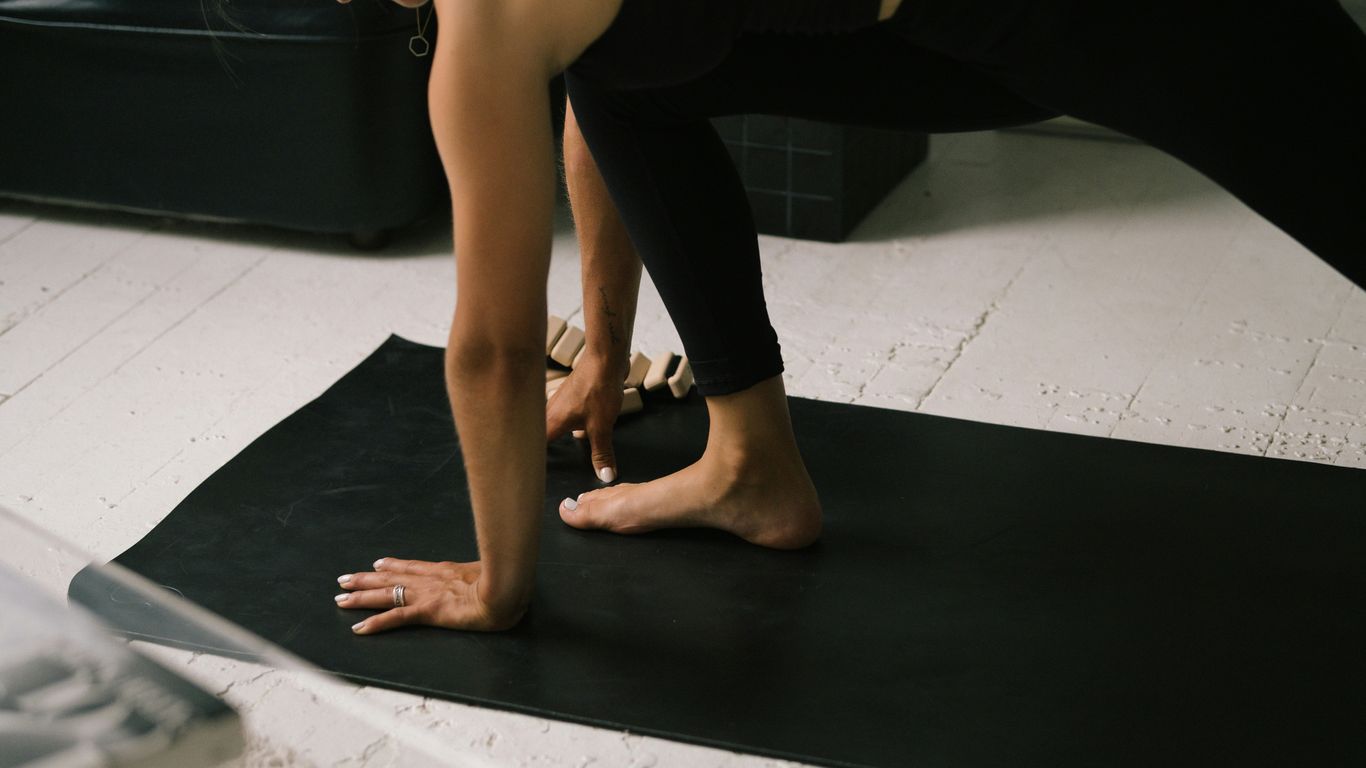
When you're on the yoga mat, especially if you've had knee issues before or just want to keep them healthy, being proactive about preventing injuries is key. It's not about avoiding challenging poses, but about approaching them with awareness and the right techniques. Think of it as building a strong foundation for your practice.
Proper Alignment and Form
This is probably the most talked-about aspect of injury prevention, and for good reason. When you're not in the right alignment, you're putting undue stress on your joints. For your knees, this often means ensuring they track over your ankles in poses like lunges or warrior poses, and avoiding any twisting or forcing. It's better to do a modified version of a pose with correct alignment than a full version with bad alignment. If you're unsure about your alignment, consider getting feedback from a qualified instructor. Learning proper alignment is key to long-term knee health.
- Knee Tracking: In standing poses, aim to have your knee align directly over your ankle. Avoid letting it collapse inward or push too far past your toes.
- Avoid Twisting: Be mindful of twisting motions, especially when your knee is bent. Gentle twists are usually fine, but forceful ones can strain the joint.
- Modifications: Don't hesitate to modify poses. If a full expression of a pose puts pressure on your knee, find a variation that feels better.
The Importance of Warming Up
Starting your practice with a good warm-up is non-negotiable. It gets your blood flowing, warms up your muscles and joints, and prepares them for the work ahead. This can include gentle movements like cat-cow, some light cardio like sun salutations, or even just some simple joint rotations. A proper warm-up can significantly reduce the risk of strains and sprains, especially in vulnerable areas like the knees. Don't skip this step!
- Joint Rotations: Gently rotate your ankles, knees, and hips in small circles.
- Dynamic Stretches: Incorporate movements like leg swings or torso twists to warm up larger muscle groups.
- Sun Salutations: A few rounds of Sun Salutations can effectively warm the entire body.
Utilizing Yoga Props for Support
Props aren't just for beginners or those with injuries; they're tools that can help everyone practice more safely and effectively. For your knees, props can be a lifesaver. A folded blanket or a yoga mat placed under your knees in kneeling poses can provide much-needed cushioning and support. Blocks can be used to bring the floor closer to you in poses like Triangle Pose, preventing you from collapsing and putting strain on your knee. Straps can help you achieve certain positions without forcing your joints. Don't be shy about using them!
Pushing through knee pain is never a good idea. It's like ignoring a warning light on your car's dashboard – eventually, something much worse will happen. Your body is communicating with you, and listening to those signals is the most important part of staying healthy and injury-free on the mat.
- Blankets/Towels: Place under knees for cushioning in poses like Low Lunge or Child's Pose.
- Blocks: Use to shorten the distance to the floor in poses like Triangle Pose or to support the hips in Pigeon Pose.
- Straps: Assist in reaching limbs without straining joints, useful in poses like Reclining Hand-to-Big-Toe Pose.
Remember, yoga should feel like a challenge sometimes, but it should never feel painful. If you feel a sharp or persistent pain in your knee, it's a clear signal to back off. Respecting these signals is vital for a safe and rewarding practice. If you're finding that pain persists even with modifications, it might be time to consult a professional about your knee alignment.
Addressing Knee Pain After Yoga
So, you've had a yoga session that left your knees feeling a bit achy. It happens to the best of us, and honestly, it's usually a sign that something needs a little adjustment. The good news is that most knee discomfort after yoga isn't a sign of serious damage, but rather your body's way of telling you to pay attention. Let's talk about what to do when your knees aren't happy after hitting the mat.
Immediate Steps for Acute Pain
If you suddenly feel a sharp pain or a twinge in your knee during or after practice, the absolute first thing to do is stop. Don't try to power through it; that's a fast track to making things worse. Gently ease out of whatever pose you're in and give your knee some space. Applying the R.I.C.E. method – Rest, Ice, Compression, and Elevation – can be really helpful for reducing swelling and inflammation right away. Think of it as giving your knee a much-needed timeout to start the healing process. It's about being kind to yourself and your body.
Reintroducing Movement Safely
Once the initial pain and swelling have calmed down, you'll want to start moving again, but carefully. The goal here is to gradually get your knee working without causing more irritation. Start with simple, pain-free movements. Gentle knee bends while sitting or lying down, ankle pumps, and very shallow hamstring stretches can be good starting points. You might find that certain yoga poses that were problematic before are now manageable with modifications. For instance, instead of a deep lunge, try a shorter stance or place a blanket under your back knee for cushioning. The key is to move slowly and pay close attention to any signals your knee sends you. If a movement causes pain, stop and try something else. It's a process of rediscovery, finding what feels good and safe again.
When to Seek Professional Guidance
While self-care and careful reintroduction of movement can solve many knee issues, sometimes you need a bit more help. If your knee pain is severe, doesn't improve after a few days of rest and home care, or if you notice significant swelling, instability, or a popping sensation, it's definitely time to consult a professional. A physical therapist can really help pinpoint the exact cause of your pain, whether it's a muscle imbalance, a ligament strain, or something else. They can then create a personalized plan with specific exercises and stretches tailored to your needs, helping you get back to your yoga practice safely. Don't hesitate to also talk to an experienced yoga instructor who understands common yoga injuries; they can offer modifications and guidance specific to your practice. Sometimes, just understanding the mechanics of how your knee works in yoga can make a big difference in preventing future issues.
Pushing through knee pain during yoga is never the answer. Your body is communicating with you, and listening to those signals is the most important part of staying healthy and injury-free on the mat. Respecting these signals is key to a safe and effective practice.
Beneficial Yoga Poses for Knee Health
When your knees are feeling a bit achy after yoga, it's easy to get worried. But the good news is, certain yoga poses can actually help strengthen the muscles that support your knees and improve overall joint health. It's all about choosing the right movements and being mindful of how your body feels. Think of it as giving your knees a little extra TLC through your practice.
Poses That Strengthen Supporting Muscles
Stronger muscles around the knee joint mean better support and less strain. Poses that engage your quadriceps, hamstrings, and glutes are fantastic for this. They act like natural braces for your knees.
- Bridge Pose (Setu Bandhasana): This pose is great for your hips, thighs, and lower back. Lie on your back, knees bent, feet flat on the floor. Lift your hips up, squeezing your glutes. Hold for a bit, then slowly lower. You can even put a block under your hips for extra support if needed.
- Warrior II Pose (Virabhadrasana II): This classic standing pose builds strength in your thighs and opens your hips, which helps with knee alignment. Stand with your feet wide, turn one foot out, and bend the front knee over the ankle. Extend your arms. If bending the knee is tough, just don't go as deep or bring your feet closer together.
- Chair Pose (Utkatasana): While it looks like you're sitting in a chair, this pose really works your quads and glutes. Stand with feet together or hip-width apart, then bend your knees as if sitting back. Keep your chest lifted. Be mindful not to let your knees go past your toes.
Gentle Stretches for Flexibility
Flexibility is just as important as strength. Tight hamstrings or hip flexors can pull on your knee joint, causing discomfort. Gentle stretches can release this tension.
- Reclining Hand-to-Big-Toe Pose (Supta Padangusthasana) with a strap: Lying on your back, loop a strap around the ball of one foot and extend that leg up. Keep the other leg bent or extended on the floor. This gently stretches the hamstring without putting direct pressure on the knee. You can find great straps for this purpose.
- Low Lunge (Anjaneyasana): From a tabletop position, step one foot forward between your hands. Keep the back knee on the floor (you can pad it with a blanket). Gently sink your hips forward to stretch the front of the hip on the back leg. This also stretches the quadriceps, which can affect knee comfort.
- Supine Spinal Twist (Supta Matsyendrasana): Lying on your back, bring one knee towards your chest and then gently guide it across your body, keeping your shoulders on the floor. This is a gentle twist that can release tension in the hips and lower back, indirectly benefiting the knees.
Poses to Approach with Caution
Some poses, while beneficial for many, can put extra stress on the knees if not done carefully or if you have existing knee issues. It's wise to be aware of these and modify them as needed. Modified yoga poses can promote knee comfort and improve balance, and this guide also advises on when to consult a GP or knee specialist for persistent knee issues here.
Always remember that yoga is a practice, not a competition. Pushing too hard or ignoring discomfort can lead to injury. It's better to back off a pose or modify it than to risk aggravating your knees. Listen to your body above all else.
- Lotus Pose (Padmasana): This deep hip opener requires significant external rotation of the hips and can put a lot of strain on the knees if the hips aren't open enough. Most people find it more comfortable and safer to skip this pose or use modifications.
- Pigeon Pose (Eka Pada Rajakapotasana): Similar to Lotus, Pigeon Pose can stress the front knee if the hips are tight. It's important to keep the front shin as parallel to the front of the mat as possible and avoid collapsing onto the bent leg. Using props like blocks under the hip of the bent leg is highly recommended.
- Deep Squats: Poses that involve deep knee flexion, like a very deep squat, can be challenging. If you feel any pinching or sharp pain, it's best to reduce the depth of the squat or avoid it altogether. Focus on keeping your knees tracking over your ankles.
Long-Term Knee Care and Yoga
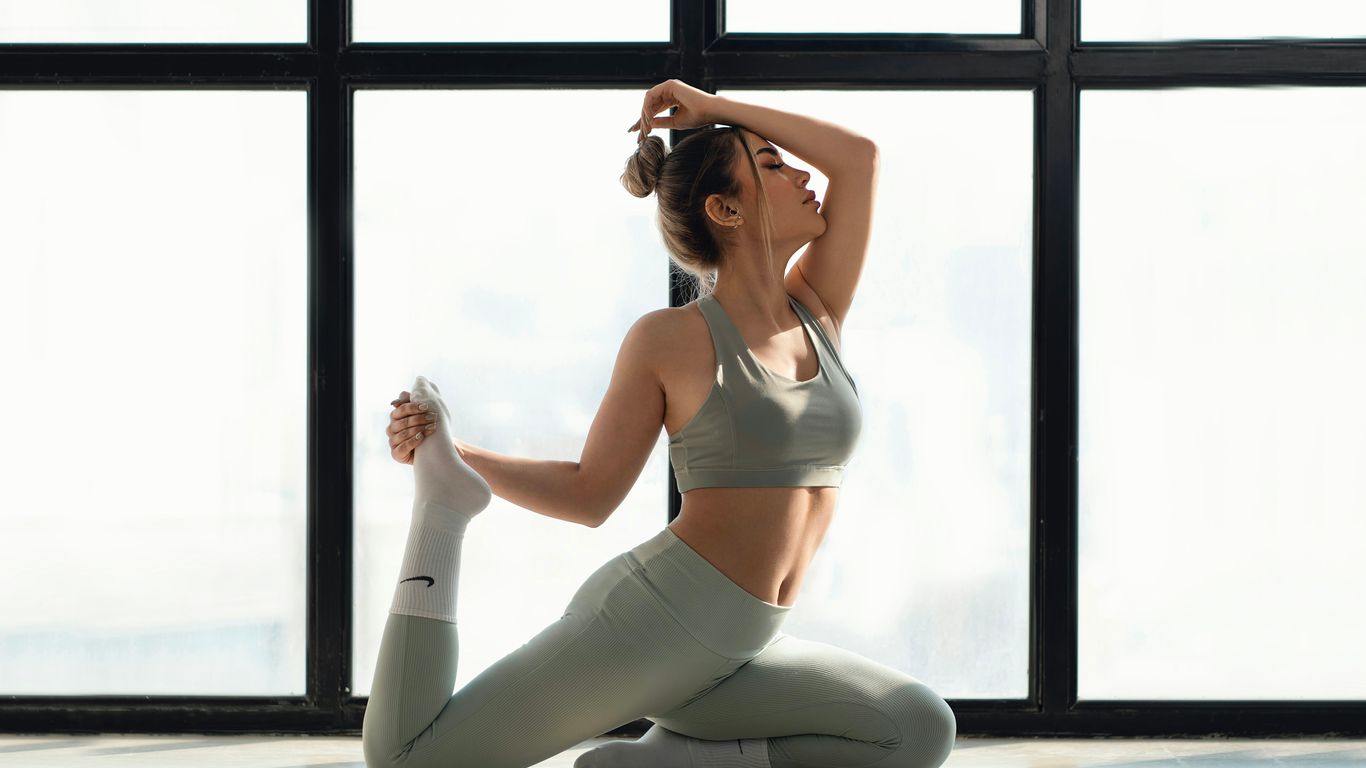
Maintaining Healthy Habits Off the Mat
Keeping your knees happy long-term involves more than just what you do during your yoga class. It's about a lifestyle that supports joint health. Think about staying hydrated; water is like the oil for your joints, keeping everything moving smoothly and reducing friction. When you're not drinking enough, your joint fluid can get thicker, making your knees feel stiff and more likely to get irritated. Aiming for at least eight glasses of water a day is a good start, but you might need more if you're active or it's hot out. It really helps keep things lubricated.
Consistency in your practice is also super important, but so is being patient. You're not going to become a yoga master overnight, and that's totally fine. Regular practice builds strength and flexibility slowly, which cuts down on the risk of sudden injuries. It’s about respecting where your body is each day. Some days your knees will feel more open, and other days they might feel a bit tighter. Honoring that fluctuation is part of a sustainable practice. Don't get down on yourself if you can't do a pose you managed last week; just gently work with what feels right now. This mindful approach stops you from overdoing it.
Choosing the Right Style of Yoga
Not all yoga is created equal when it comes to knee-friendliness. Styles that involve a lot of deep bending, squatting, or rapid transitions might put more stress on your knees if you're not careful. For instance, styles that emphasize holding poses for longer periods with a focus on alignment, like Iyengar yoga, can be really beneficial. They often use props extensively to help you maintain proper form without straining your joints. On the other hand, very fast-paced Vinyasa or Ashtanga classes might require more awareness and modifications to protect your knees. It’s about finding a style that matches your current physical condition and goals. If you're unsure, talking to an instructor about your knee health is a good first step. They can guide you toward appropriate yoga poses or suggest modifications.
Listening to Your Body's Signals
This is probably the most critical piece of advice for long-term knee health. Your body sends signals, and learning to interpret them is key. Discomfort during a stretch is one thing – that feeling of intensity where your muscles are working. But sharp, shooting, or persistent pain in your knee? That's a red flag. It means you need to back off immediately. Pushing through knee pain is never the answer; it’s like ignoring a warning light in your car. Eventually, something much worse can happen. Your body is communicating with you, and listening to those signals is the most important part of staying healthy and injury-free on the mat. It’s about building a practice that serves you for years to come, not just for today.
The knee is a hinge joint, primarily designed for flexion and extension. It's not built for deep rotation. Most knee issues in yoga arise when this natural limitation is ignored, often due to dysfunction in the ankle or hip joints. Paying attention to how your knee moves in relation to these other joints is vital for preventing strain and injury over time. Yoga offers a long-term solution for knee health by strengthening the surrounding muscles and improving overall body movement.
Wrapping Up: Keeping Your Knees Happy on the Mat
So, dealing with knee pain after yoga can be a real bummer, but it doesn't mean you have to give up your practice. By understanding why it happens – like pushing too hard, not warming up, or just not getting the poses quite right – you can make smart changes. Remember to listen to your body; if something hurts, back off or find a different way to do it. Using props can be a lifesaver for your knees, and don't be afraid to ask a teacher or even a doctor for advice if you're unsure. Taking care of your knees is a marathon, not a sprint. With a little awareness and care, you can keep enjoying all the good stuff yoga has to offer without the knee aches.
Frequently Asked Questions
Why do my knees hurt after yoga?
Knee pain after yoga can happen for a few reasons. It might be because you're doing too much too soon, not warming up your body enough before class, or not doing the yoga poses with the correct form. Sometimes, the way yoga is practiced in Western countries, which is different from its origins, can also put extra stress on knees.
Are there specific yoga poses that can cause knee pain?
Yes, certain yoga poses can put more pressure on your knees. Poses like Camel Pose, Hero Pose, and especially Lotus Pose and its variations can be tough on the knees. It's important to be really careful and aware of how your knees feel in these positions.
How can I prevent knee pain while practicing yoga?
To keep your knees safe, always start with a good warm-up to get your muscles ready. Pay close attention to how you're aligning your body in each pose, making sure your knees are in the right spot. Using yoga props, like blankets or blocks, can also give your knees extra support and reduce strain.
What should I do if I feel pain during a yoga pose?
If you feel any pain in your knees during a yoga pose, the most important thing is to stop or back off from the pose right away. Don't try to push through the pain. You can try to adjust your position, use props for support, or skip the pose for now. It's better to be safe than sorry!
What are some good yoga poses for knee health?
Poses that help build strength and flexibility in a safe way are great for knee health. Poses like Chair Pose (Utkatasana), Bridge Pose (Setu Bandhasana), and Reclined Hand-to-Big-Toe Pose (Supta Padangusthasana) can be beneficial. They help support and strengthen the muscles around your knees.
When should I see a doctor for knee pain?
You should see a doctor if your knee pain is really bad, doesn't get better after a few days of rest, or if you notice swelling or have trouble moving your knee. It's always best to get professional advice for anything that seems serious.

