
Discover Your Zen: Exploring 7 Types of Yoga for Every Body and Mind
Thinking about starting yoga but feeling a bit lost with all the different styles out there? It's totally normal to feel that way. There are so many options, and they all sound kind of similar, right? Well, not quite. Each type of yoga has its own vibe and focus, and finding the right fit for you can make a big difference. Whether you're looking for a serious workout, a way to chill out, or something a little more spiritual, there's a yoga style out there waiting for you. Let's explore some of the most popular types of yoga to help you figure out where to begin.
Key Takeaways
- There are many different types of yoga, each with a unique approach to poses, breathing, and focus.
- Consider your personal goals, like wanting a workout or seeking relaxation, when choosing a yoga style.
- Pay attention to how your body and mind feel during and after a class to see if it's a good fit.
- Don't be afraid to try different styles and teachers; your needs might change over time.
- The best yoga practice is one that makes you want to keep coming back.
1. Hatha Yoga
So, you're thinking about trying yoga and Hatha keeps popping up. What's the deal? Basically, Hatha is the umbrella term for any yoga that focuses on physical poses, or asanas. Think of it as the foundation for a lot of other yoga styles you might hear about.
Classes labeled "Hatha" are usually a bit slower-paced than, say, Vinyasa. This means you'll likely hold each pose for a few breaths, giving you time to really feel what's happening in your body and focus on your alignment. It's a great way to get acquainted with the basic yoga postures without feeling rushed.
Here's what you can generally expect:
- Focus on Basics: You'll learn and practice fundamental yoga poses.
- Slower Pace: Poses are held longer, allowing for mindful transitions.
- Breath Awareness: Emphasis is placed on coordinating your breath with your movements.
- Gentle Approach: Often considered a more accessible entry point into yoga.
This style is particularly good for beginners because it allows you to build a solid understanding of the poses and proper form. It's less about a vigorous workout and more about connecting your mind and body through deliberate movement and breath. You might find it's a really calming way to start your yoga journey.
2. Vinyasa Yoga
Vinyasa yoga is all about the flow. Think of it like a dance where your breath guides each movement. You'll move from one pose to the next pretty smoothly, and the pace can be quite quick. It's not uncommon for music to be playing, often timed with the sequences of poses.
This style is fantastic for those who enjoy a more vigorous workout. Because you're constantly moving, your heart rate definitely gets up there. It's a great option if you're looking for a practice that builds heat and stamina. Many people who do high-intensity interval training (HIIT) or are runners find Vinyasa a good fit because of the continuous motion. It really helps with building functional strength and flexibility.
Here's what you can generally expect:
- Flowing Sequences: Poses are linked together, creating a continuous movement.
- Breath Synchronization: Each movement is paired with an inhale or an exhale.
- Varied Poses: While there are common sequences, teachers often have creative freedom.
- Cardiovascular Workout: Expect your heart rate to rise.
While the pace can be fast, it's still important to listen to your body. The goal is to move with intention, not just rush through the poses. Finding a teacher who guides you through the transitions mindfully can make a big difference in your practice.
If you're looking for a dynamic practice that gets your blood pumping and helps you build a strong mind-body connection, Vinyasa might be just what you're looking for. It's a style that really promotes balanced physical wellness by enhancing coordination and mobility. You can find many studios offering Vinyasa classes that cater to different levels, so don't be afraid to try one out.
3. Iyengar Yoga
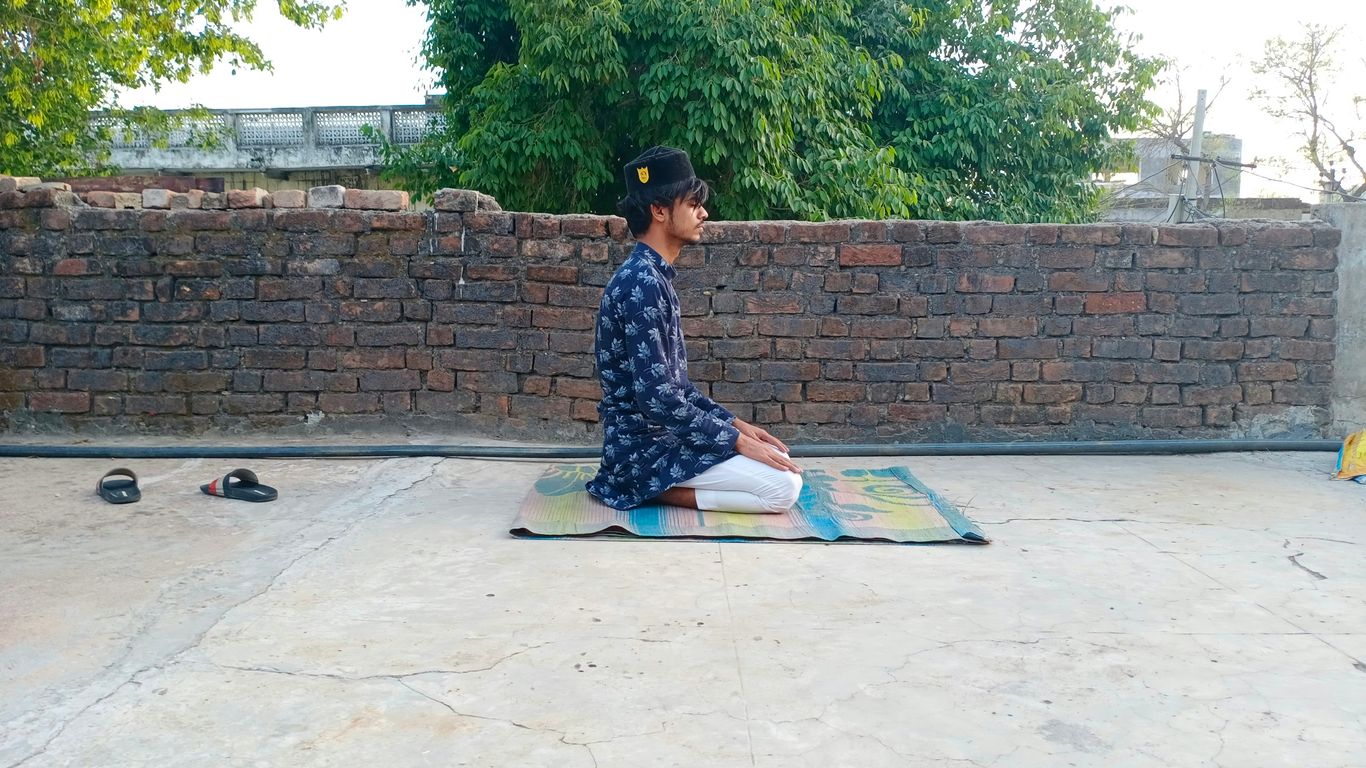
Iyengar yoga is all about getting the details right. This style really focuses on precise alignment in every single pose. You'll hold each posture for a good amount of time, which gives you a chance to really feel what's happening in your body. It's not about rushing through a sequence; it's about understanding the mechanics of each position.
One of the hallmarks of Iyengar is its extensive use of props. Think blocks, straps, blankets, and even specialized wall ropes. These aren't crutches; they're tools designed to help you achieve the correct alignment safely, no matter your flexibility or experience level. This meticulous approach makes it incredibly beneficial for understanding your body's mechanics.
Here's what you can expect:
- Focus on Alignment: Every pose is broken down to its most precise form.
- Use of Props: Blocks, straps, and bolsters are common aids.
- Holding Poses: Poses are held longer to build awareness and stability.
- Therapeutic Benefits: Often recommended for injury recovery or managing physical limitations.
Iyengar yoga is a fantastic choice if you appreciate a methodical approach. It's like a detailed instruction manual for your body, guiding you through each movement with clarity and purpose. Even if you've done yoga before, starting with a beginner's Iyengar class is a good idea to get a feel for its unique method.
4. Ashtanga Yoga
If you're looking for a yoga style that's both challenging and structured, Ashtanga might be your jam. This practice is built around six different series of yoga poses, all done in a specific order. You'll move through the poses, linking your breath with each movement, which helps build internal heat. The main thing about Ashtanga is that you do the same sequence of poses every time you practice. Some classes have a teacher calling out the poses, while others, called Mysore style, have you practice the series on your own. Don't worry though, there's always a teacher around to help if you get stuck.
Ashtanga is known for its set sequence and disciplined approach.
Here's a general idea of what you might encounter:
- Primary Series: This is the starting point for most practitioners. It focuses on forward bends and hip openers.
- Second Series: This series is more intense, involving backbends and deeper twists.
- Third, Fourth, Fifth, and Sixth Series: These advanced series become progressively more challenging and are typically only practiced by very experienced Ashtanga yogis.
Ashtanga yoga demands a certain level of commitment due to its repetitive nature. While this can be great for building discipline and muscle memory, it might not be for everyone. If you prefer a lot of variety in your practice, you might find the set sequences a bit monotonous after a while. However, the physical and mental benefits are significant for those who stick with it.
This style is often favored by people who like routine and clear guidelines. It's a great way to build strength, flexibility, and focus, all while following a well-trodden path.
5. Bikram Yoga
Get ready to sweat, because Bikram yoga is not for the faint of heart. This style is all about a very specific sequence of 26 poses and two breathing exercises. The whole thing happens in a room that's heated to about 105 degrees Fahrenheit with 40% humidity. Every Bikram studio follows the exact same 90-minute routine, so you'll always know what to expect. It's intense, for sure, and combining the heat with the poses can feel pretty demanding. If you're new to it, just take it easy, listen to your body, and make sure you're well-hydrated before you even step onto the mat.
Bikram is a great choice if you like structure and predictability in your workouts. The set sequence means you can focus on your form and the heat without worrying about what's coming next. It's a challenging practice that can leave you feeling thoroughly worked out and refreshed, provided you respect its intensity.
- The Sequence: Always 26 poses and 2 breathing exercises.
- The Environment: Heated room (105°F / 40% humidity).
- The Duration: Exactly 90 minutes.
- Best For: Those who thrive on routine and enjoy a vigorous, heated practice.
While the heat can help you feel more flexible, it's important not to push yourself too hard. Overstretching is a real risk in a hot environment, so always honor your body's limits.
6. Hot Yoga
Hot yoga is pretty much what it sounds like: yoga practiced in a heated room. It's similar to Bikram in that the temperature is cranked up, but unlike Bikram, there's no strict sequence of poses everyone has to follow. Teachers have more freedom here, so classes can vary quite a bit.
The heat can make you feel like you can stretch deeper, but it's super important not to push yourself too hard. Overstretching is a real risk when you're warm, so listen to your body. It's easy to get carried away when you feel more flexible, but your muscles and joints need protection.
Here's a quick rundown of what to expect:
- Temperature: Usually between 90-105 degrees Fahrenheit.
- Humidity: Often higher than a regular studio, which can add to the intensity.
- Pace: Can range from slow and steady to more vigorous, depending on the teacher and style.
- Benefits: Increased flexibility, potential for more calorie burn, and a good sweat session.
If you're someone who loves a good sweat and a challenging workout, hot yoga might be your jam. It's a great way to really get your heart pumping and feel like you've worked your body thoroughly. Just remember to stay hydrated before, during, and after class. You can find many studios offering various hot yoga classes that cater to different levels.
Practicing in a heated environment can feel intense, and it's definitely not for everyone. Some people find the heat helps them relax and release tension more effectively, while others might feel overheated or lightheaded. It's a good idea to try a class when you're feeling well-rested and have had enough to drink.
It's a good idea to start with a beginner-friendly class if you're new to this style. This way, you can get a feel for the heat and the poses without feeling overwhelmed. You might find that the warmth helps you move more freely, but always be mindful of your limits. It's all about finding that balance between pushing yourself and staying safe.
7. Kundalini Yoga
Kundalini yoga is a bit different from what you might picture when you think of a typical yoga class. It's often called the yoga of awareness, and it really focuses on connecting your mind, body, and spirit. You'll find yourself doing a lot of repetitive movements, called kriyas, which are paired with specific breathing techniques. Chanting and meditation are also big parts of a Kundalini practice.
The main goal here is to awaken your inner energy and break through any mental blocks you might have. It’s a practice that can feel both physically and mentally demanding, but many people find it incredibly rewarding for self-discovery. You might hold poses for longer periods, sometimes up to five minutes, which is great for building strength and toning muscles. It’s a really unique way to explore your own consciousness.
Here’s a general idea of what a Kundalini session might involve:
- Kriyas: These are sets of exercises, often repeated, that target specific effects on the body and mind.
- Pranayama: Intense breathwork is a cornerstone, focusing on expanding your breath's reach throughout your body.
- Mantra: Chanting specific sounds or phrases is common, helping to focus the mind and create vibrations.
- Meditation: Extended periods of silent or guided meditation are usually included.
If you're looking for something that goes beyond just the physical workout and offers a more spiritual or introspective experience, Kundalini yoga could be a great fit. It’s a practice that encourages you to look inward and connect with yourself on a deeper level. You can find many resources online to get started with Kundalini yoga at home.
This practice is less about achieving perfect poses and more about the internal experience and the energy you cultivate. It's about becoming more aware of your own thoughts, feelings, and physical sensations without judgment.
8. Yin Yoga
Yin yoga is kind of the opposite of those super fast-paced classes where you're constantly moving. Instead, you hold each pose for a good few minutes. The whole idea is to get into your deeper connective tissues, like your fascia, and help them relax and get more elastic. You'll probably use a lot of props – think bolsters, blankets, and blocks – to help your body just sink into the pose without you having to force anything. It can feel a little weird or even boring at first, especially if you're used to more active styles, but stick with it. It's really good for calming your nervous system and can leave you feeling pretty peaceful.
This practice is all about stillness and surrender.
It's particularly great if you need to stretch out and de-stress. However, if you're already super flexible, you might want to be extra careful not to push too far. Also, if you have any issues with your connective tissues, it's a good idea to chat with your doctor before trying it.
Here's what you can expect:
- Longer Holds: Poses are held for 3-5 minutes, sometimes even longer.
- Passive Stretching: Focus is on relaxing muscles, not engaging them.
- Targeting Connective Tissue: Aims to improve joint mobility and flexibility.
- Mindful Stillness: Encourages introspection and a quiet mind.
This style of yoga is perfect for anyone looking to slow down and find a sense of calm. It's a great complement to more active yoga practices or even just the general hustle and bustle of daily life.
9. Restorative Yoga
Restorative yoga is all about taking it easy and letting your body completely relax. Unlike more active yoga styles, the goal here isn't to build strength or flexibility, but to deeply calm your nervous system. You'll find yourself using a lot of props – think bolsters, blankets, and blocks – to support your body in gentle poses. These aren't poses you'll struggle to hold; instead, they're designed to be held for several minutes, allowing your muscles to release tension without any effort.
This practice is fantastic for anyone who feels constantly stressed or has trouble winding down. It's like a gentle reset button for your mind and body. If you've been dealing with insomnia or general anxiety, restorative yoga can be incredibly helpful. Even athletes can benefit from it on their recovery days to help their bodies mend.
Here’s what you can expect:
- Deep Relaxation: The focus is on passive stretching and stillness, which helps activate your body's natural relaxation response.
- Prop Support: You'll be fully cradled by props, so you don't need to exert any energy to maintain the pose.
- Mindful Stillness: Holding poses for extended periods encourages a meditative state, quieting the mental chatter.
- Nervous System Soothing: This style directly targets the parasympathetic nervous system, promoting a sense of peace and well-being.
The primary aim of restorative yoga is to facilitate profound rest and recovery. It's a practice that encourages you to simply be, without any pressure to perform or achieve. It’s a wonderful way to reconnect with yourself and find a moment of quiet in a busy world. Many people find that a well-supported pose like Savasana (Corpse Pose) is the perfect way to conclude a restorative session, leaving them feeling balanced and complete [16a1].
10. Karma Yoga
Karma Yoga is often called the yoga of action. It's less about the physical poses you do on the mat and more about how you approach your daily life and responsibilities. The core idea is to perform your duties and actions selflessly, without being attached to the outcomes. Think of it as bringing a yogic mindset into everything you do, whether that's your job, your relationships, or even just doing the dishes.
This path encourages you to act with integrity and a sense of service. It’s about finding a way to contribute positively to the world around you, understanding that your actions have an impact. By focusing on the intention behind your actions rather than the reward, you can cultivate a sense of peace and detachment.
Here’s a simple way to think about practicing Karma Yoga:
- Perform your tasks with full attention: Whatever you're doing, give it your best effort and be present in the moment.
- Let go of the results: Do your best, but don't get overly worried about whether it turns out exactly as you planned. Accept what happens.
- Act with kindness and compassion: Approach your actions and interactions with others from a place of empathy.
- See your actions as a form of service: Understand that your contributions, big or small, are valuable.
Karma Yoga is about finding the sacred in the ordinary. It’s a reminder that every moment offers an opportunity to practice mindfulness and contribute to the greater good, transforming everyday tasks into a spiritual discipline. It’s a path that helps you connect with your inner self through outward action, finding fulfillment not in what you get, but in what you give.
This type of yoga is great for anyone who feels overwhelmed by the pressure of results or who wants to find more meaning in their daily routines. It's a practical way to integrate spiritual principles into everyday living, making your life a moving meditation. You can start by simply bringing more intention and mindfulness to your daily chores or work, turning them into acts of selfless service.
Finding Your Yoga Path
So, there you have it. Seven different ways to get on the mat and see what yoga is all about. It might seem like a lot at first, but remember, the whole point is to find what feels good for you. Don't be afraid to try a few different styles, or even a few different teachers. What works today might not be what you need next month. Just keep showing up, listen to your body, and you'll discover the practice that helps you feel more balanced and maybe even a little bit calmer. Happy practicing!
Frequently Asked Questions
What's the best type of yoga for a total beginner?
Hatha yoga is often recommended for beginners because it moves at a slower pace. This allows you to get comfortable with the basic poses and learn how to breathe properly. It's a great way to start your yoga journey without feeling overwhelmed.
I want a workout that makes me sweat. Which yoga style should I try?
If you're looking for a vigorous workout, Vinyasa or Ashtanga yoga might be a good fit. Vinyasa is known for its flowing movements that link breath with poses, creating a dynamic practice. Ashtanga follows a set series of poses that build internal heat, making it quite challenging.
What's the difference between Bikram and Hot Yoga?
Both Bikram and Hot Yoga are practiced in a heated room. Bikram yoga follows a very specific sequence of 26 poses and two breathing exercises. Hot yoga, on the other hand, can vary more in its poses and sequences, though it's still practiced in a warm environment.
I have injuries or need more physical support. What yoga is best?
Iyengar yoga is excellent for those who need careful attention to alignment and may use props like blocks and straps to support the body safely. Restorative yoga is also fantastic for relaxation and support, using props to help you hold poses comfortably for longer periods.
I'm looking for a more spiritual or meditative experience. What should I choose?
Kundalini yoga focuses on spiritual growth, breathwork, chanting, and meditation to awaken inner energy. Yin yoga is also very meditative, holding poses for extended periods to target deep tissues and promote relaxation, which can be a profound experience.
How do I know if I've found the right yoga style for me?
The best way to find your perfect yoga style is to try different classes! Pay attention to how your body feels during and after practice. You should feel challenged but not exhausted, and more relaxed and centered afterward. If you feel excited to go back to a class, that's a great sign you've found a good match.

