

Discover Your Perfect Practice: Exploring the Many Kinds of Yoga
So, you're thinking about trying yoga, huh? That's cool. But then you look at a class schedule and it's like, whoa, what's the difference between Hatha and Vinyasa? Or what even *is* Aerial Yoga? It can get confusing fast. Yoga isn't just one thing anymore. It's grown into all these different kinds of yoga, each with its own vibe. Don't worry, though. We're going to break down some of the most popular kinds of yoga so you can figure out which one might be the best fit for you. It's all about finding what feels good.
Key Takeaways
- Hatha yoga is a good starting point for beginners, focusing on basic poses and breath awareness.
- Vinyasa yoga offers a flowing, dynamic practice that links movement with breath.
- For a more structured and challenging experience, Ashtanga yoga follows a set series of poses.
- Yin and Restorative yoga focus on deep relaxation and flexibility through held poses and gentle support.
- Modern styles like Aerial and Acro yoga blend yoga with other disciplines for unique physical challenges.
Foundational Kinds of Yoga
Everyone’s yoga journey starts somewhere, and these foundational styles have been around a long time for good reason. They’re steady, accessible, and help you build the core skills you’ll need later. If you’re sorting through what style might fit your pace and goals, starting with a traditional type is often a smart move.
Hatha Yoga: The Classic Approach
Hatha Yoga is where many people begin—it’s all about learning the basics. Classes move at a measured pace, often focusing on individual poses, breathing, and building the awareness to move safely. If you’re looking for something that won’t push you too fast or leave you behind, or just want to figure out where to place your feet and what to do with your breath, Hatha is a solid starting line.
Here’s what you might notice in a typical Hatha Yoga session:
- A mix of standing and seated postures for overall strength and flexibility
- Detailed instructions, with modifications for each skill level
- Regular pauses between poses to reset or catch your breath
Many folks say Hatha yoga gave them the confidence to explore other yoga styles, since you get time to focus on technique and body cues rather than rushing through the next pose.
If you want more on classic yoga forms, see this look at the roots of Hatha Yoga from the basics up.
Vinyasa Yoga: Flowing with Breath and Movement
Vinyasa Yoga feels like moving meditation. Each pose leads smoothly into the next, and you sync movement with your breath—inhale, sweep your arms; exhale, step your feet back. It’s a bit more active than Hatha, so you can expect your heart to pump and your muscles to warm up fast.
Common features in Vinyasa Yoga:
- A continuous flow of postures—like a dance you build as you breathe
- Lots of variety, since sequences change frequently
- Great for anyone who wants both a physical challenge and a steady rhythm to follow
Sitting still isn’t for everyone, and if you get restless in slow classes, Vinyasa’s dynamic pace might grab your interest right away. Beginners are welcome, but don’t be surprised if it gets sweaty after the first few rounds.
Ashtanga Yoga: The Eight-Limbed Path
If you get satisfaction out of sticking to a routine, Ashtanga Yoga is worth a try. Every session follows the same set sequence of poses, in the same order, every time. This lets you track your progress week to week and develop solid discipline—great for people who enjoy structure.
What to expect in Ashtanga Yoga:
- Series of poses (Primary, Intermediate, Advanced) always performed in a precise order
- Strong emphasis on breathing and gaze (called drishti)
- Physical intensity, since the pace is brisk and the sequence pushes strength and stamina
| Style | Pace | Structure | Typical Goals |
|---|---|---|---|
| Hatha | Slow | Varied, instructor-led | Learn basics, balance, posture |
| Vinyasa | Moderate/Fast | Creative, variable | Strength, flexibility, flow |
| Ashtanga | Fast | Fixed sequence | Discipline, endurance, mastery |
If you’re someone who likes checking things off a list and enjoys the ritual of a good routine, you might quickly find a home in Ashtanga practice.
For specific pose breakdowns and how to tell the difference between a Mountain Pose and a Forward Fold, check out these common yoga postures and their purposes explained in detail.
Start with these foundational styles, and you’ll find not only a deeper connection with your body but a firmer place to stand as your yoga practice grows.
Deep Relaxation and Flexibility Kinds of Yoga
Yin Yoga: Cultivating Stillness and Deep Stretches
Yin Yoga is all about slowing down and holding poses for a good long while, usually three to five minutes, sometimes even longer. The idea here isn't to work your muscles, but to get into the deeper connective tissues – the fascia, ligaments, and joints. It's a really passive practice, meaning you're not actively engaging muscles; instead, you're letting gravity and time do the work. Props like bolsters, blankets, and blocks are your best friends in Yin, helping you get into the poses comfortably and safely. This style is fantastic for anyone feeling stiff or looking to increase their range of motion. It's a quiet practice, often done with minimal talking, which really lets you tune into your body and breath.
- Targets connective tissues: Fascia, ligaments, and joints get a gentle, sustained stretch.
- Promotes stillness: Encourages mindfulness and a deep sense of calm.
- Improves flexibility: Helps release chronic tension and increase joint mobility over time.
This practice can feel intense because you're holding poses for so long, but it's a different kind of intensity than a fast-paced class. It's more about mental endurance and surrendering to the stretch. Don't push yourself too hard; the goal is to find a comfortable edge where you feel a stretch but no pain.
Restorative Yoga: Embracing Gentle Support and Healing
If you're looking for pure relaxation and a way to truly unwind, Restorative Yoga might be your jam. Unlike Yin, which aims for deep stretching, Restorative Yoga is focused on complete rest and healing. You'll use a lot of props – think bolsters to support your back, blankets under your knees, and eye pillows for your eyes – to get your body into positions where it can completely let go. Poses are held for extended periods, often 10 minutes or more, but the emphasis is on comfort and support, not stretching. It's like giving your body a gentle, loving hug.
- Uses ample props: Bolsters, blankets, and blocks are used to fully support the body.
- Focuses on relaxation: Aims to calm the nervous system and reduce stress.
- Aids recovery: Can be beneficial for those recovering from illness or injury.
Restorative yoga is a wonderful way to counteract the effects of daily stress and busyness. It's a practice that encourages you to do nothing, to simply be. You might find yourself drifting off to sleep in a pose, and that's perfectly okay! It's a sign that your body is truly relaxing. If you're dealing with fatigue, anxiety, or just need a break from the demands of life, this style is incredibly beneficial. You can explore some basic poses that help with flexibility and mobility here.
When to choose which:
| Style | Primary Goal | Key Characteristic |
|---|---|---|
| Yin Yoga | Deep tissue flexibility | Long holds, passive stretch |
| Restorative Yoga | Deep relaxation & healing | Full prop support, stillness |
Both Yin and Restorative yoga are excellent additions to any yoga routine, especially if you engage in more active practices. They offer a counterbalance, helping to prevent burnout and promote overall well-being. You can find more information on how different yoga styles can help with flexibility and tension relief here.
Energetic and Spiritual Kinds of Yoga
Kundalini Yoga: Awakening Life Force Energy
Kundalini yoga is a practice that really aims to get your energy moving. The name itself, 'Kundalini,' means 'life force energy' in Sanskrit, and the whole point is to awaken this energy that's thought to be coiled up at the base of your spine. It’s not just about stretching; it’s a pretty dynamic experience. You'll often find yourself chanting mantras, doing specific breathing exercises called pranayama, and moving through sequences of poses, or kriyas, that are designed to stir things up. It’s a practice that works on both the physical and the energetic body, aiming for a sense of heightened awareness and well-being. Many practitioners wear white, as it's believed to help deflect negativity and boost your aura. A typical class might start with a centering chant, move into breathwork, then warm-ups, followed by the main kriyas, and finish with deep relaxation and meditation. It's a great choice if you're looking for something that feels both physical and deeply spiritual, especially if you don't mind a bit of singing or chanting.
Jivamukti Yoga: Chanting and Philosophy in Motion
Jivamukti yoga is a style that really blends vigorous physical practice with a strong spiritual and philosophical backbone. It was founded in the 1980s and is known for its integration of five main tenets: scripture, devotion, meditation, music, and a commitment to non-violence (ahimsa). Classes are often set to music and can be quite physically demanding, involving flowing sequences similar to Vinyasa. But what sets Jivamukti apart is the constant weaving in of spiritual teachings, often through talks or readings during class. You'll be encouraged to think about yoga philosophy and how it applies to your life off the mat. It's a practice that asks you to be present, to connect with your breath, and to move with intention, all while exploring deeper concepts.
This style encourages a holistic approach, connecting the physical practice with ethical living and a sense of community. It's about finding joy and liberation through movement, sound, and mindful awareness, making it a rich experience for those seeking more than just a workout.
Precision and Alignment Focused Kinds of Yoga
Iyengar Yoga: The Art of Precise Alignment
Iyengar yoga is all about getting the details right. It's a style that really digs into how each pose should look and feel, focusing on exact body positioning. Think of it like a sculptor carefully shaping their work. This method uses a lot of props – blocks, straps, blankets, even chairs – to help you get into the pose correctly, even if your body isn't quite ready for the full expression of it. It’s not about pushing yourself into a shape you can't hold; it’s about understanding the mechanics of the pose and making it work for your body. This makes it fantastic for people working with injuries or those who just want to really understand the 'why' behind each posture. Teachers are highly trained to guide you through this detailed process. It’s a slower, more deliberate practice, perfect for anyone who likes clear instructions and a methodical approach to movement. It’s a great way to build a strong foundation and learn how to move safely and effectively.
Here's a quick look at what you might find in an Iyengar class:
- Detailed Instruction: Expect precise cues on how to place your feet, hands, and spine.
- Use of Props: Props are not just aids; they are integral to achieving correct alignment.
- Longer Holds: Poses are often held for several breaths to allow for deeper exploration and stability.
- Focus on Anatomy: You'll learn about the body's mechanics in each pose.
Iyengar yoga teaches you to be present in your body, understanding its limits and capabilities without judgment. It's a practice that builds both physical strength and mental awareness through meticulous attention to detail.
Anusara Yoga: Heart-Centered Alignment
Anusara yoga, while also emphasizing alignment, brings a different flavor to the practice. It's known for its uplifting philosophy and a focus on celebrating the
Modern and Fusion Kinds of Yoga
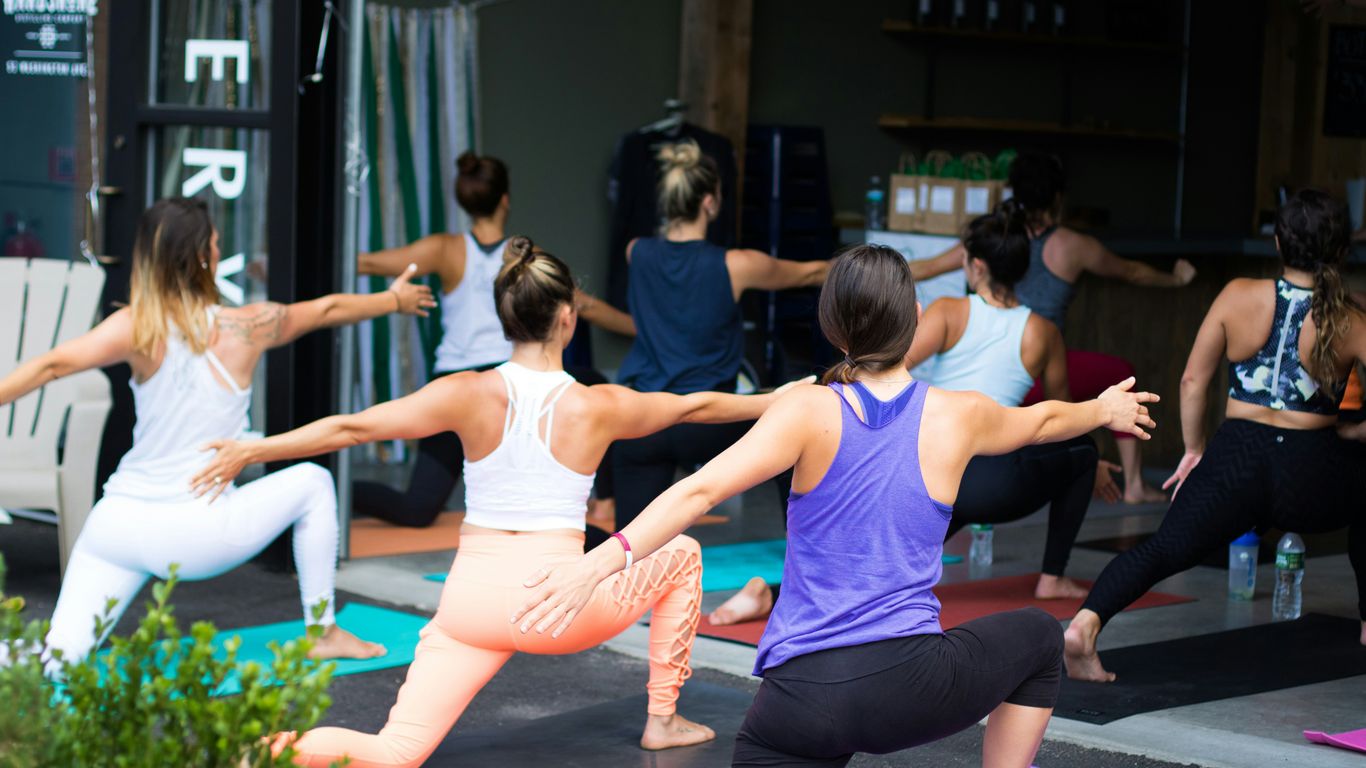
Yoga isn't just about ancient traditions anymore. It's constantly evolving, mixing with other fitness trends to create something new and exciting. These modern and fusion styles take the core ideas of yoga – breath, movement, and mindfulness – and blend them with different activities. It's a great way to shake things up if you're looking for a different kind of challenge or just want to add some variety to your routine.
Aerial Yoga: Suspended Strength and Grace
Ever thought about doing yoga while floating? That's pretty much Aerial Yoga. You use a special fabric hammock, suspended from the ceiling, to help you get into poses. This isn't just for show; the hammock actually supports your body, allowing for deeper stretches and inversions that might be tough on a regular mat. It's fantastic for building core strength and improving flexibility, all while feeling a bit like you're flying. It's a unique way to decompress the spine and explore new dimensions of your practice.
Acro Yoga: Building Trust Through Partner Acrobatics
Acro Yoga is where yoga meets acrobatics, and it's all about teamwork. You'll work with a partner, where one person is the 'base' and the other is the 'flyer'. The base supports the flyer in various acrobatic poses, often incorporating yoga principles. This style really builds communication, trust, and a strong sense of community between practitioners. It's a physically demanding practice, but the connection you build with your partner is pretty special.
Hip-Hop Yoga: Rhythmic Movement and Fitness
If you like to move to a beat, Hip-Hop Yoga might be your jam. This style combines traditional yoga poses and flows with the energy and rhythm of hip-hop music. Think dynamic sequences, upbeat tempos, and a focus on fitness alongside the mindful aspects of yoga. It's a high-energy class that gets your heart pumping and can feel more like a dance party than a typical yoga session. It’s a fun way to get a workout in while still connecting with your breath and body. You can find classes that really focus on the fitness aspects of yoga or those that lean more into the meditative side, all set to a great soundtrack.
These fusion styles often take elements from other disciplines, like Pilates or dance, to create a workout that's both challenging and fun. They show how adaptable yoga can be, reaching new audiences and offering fresh ways to experience its benefits.
Therapeutic and Specialized Kinds of Yoga
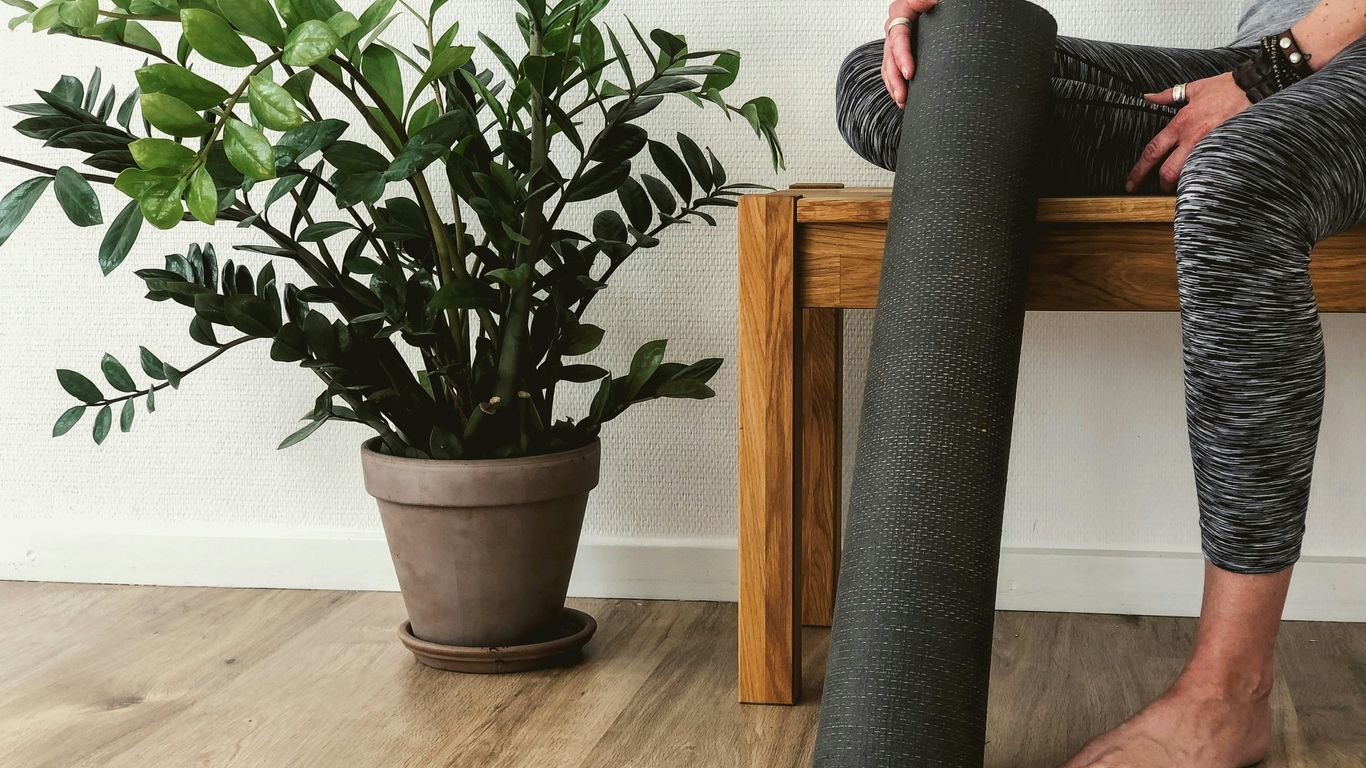
Yoga isn’t just about complicated poses or having fancy leggings. For many, it’s about real support and meeting unique needs—sometimes in surprising ways. Here's where therapeutic and specialized yoga shine: they offer yoga tailored to healing, specific circumstances, or unique life stages.
Therapeutic Yoga: Healing Through Gentle Movement
If you think yoga is all about pretzel-like poses or balancing on your head, think again. Therapeutic yoga focuses on gentle movement, deep breathing, and supported poses—often with props—to ease chronic pain, soothe tension, or help manage stress. It’s typically taught in smaller groups or one-on-one sessions, making sure everything is safe and personal.
Some ways therapeutic yoga can help:
- Eases back pain, arthritis, and other chronic issues
- Helps manage stress and anxiety by focusing on calming breaths
- May support recovery after injury or surgery
If you’re curious, yoga therapy isn’t just about the body; it’s also aimed at mental and emotional well-being. Check out more about how therapeutic yoga targets holistic healing in mind and body by looking into personalized yoga therapy.
It’s a quieter, slower style for people who need more support, not less challenge. You don’t need to keep up—you only need to feel better, one gentle step at a time.
Prenatal Yoga: Nurturing Expectant Mothers
Pregnancy comes with its own bundle of challenges, both physical and emotional. Prenatal yoga is crafted for those expecting, focusing on safe movement, gentle strengthening, and preparing for birth:
- Breathing techniques for labor and relaxation
- Modified stretches for changing bodies
- Community and connection with others in the same life stage
Here’s a quick table of common goals for prenatal yoga and how practices are adjusted:
| Goal | Modification in Practice |
|---|---|
| Spinal relief | Seated/side-lying twists |
| Pelvic strength | Supported squats |
| Breath awareness | Relaxation techniques |
It’s a space where being tired or emotional is normal, and every down-dog is optional. Sometimes, just showing up is enough.
Therapeutic and specialized yoga prove that yoga can meet you where you are—whether you need to recover, adapt, or simply feel supported on your path to wellness. If you’re wondering whether yoga could be a gentle addition to your routine, it might be time to try a class that aligns with your individual needs.
Find Your Flow
So, there are a ton of yoga styles out there, right? It can feel a little overwhelming at first, trying to figure out which one is actually for you. But honestly, the best way to find your perfect practice is just to try a few. Maybe you'll love the fast pace of Vinyasa, or perhaps you'll find peace in the slow stretches of Yin. Don't be afraid to experiment! What works for your friend might not be your jam, and that's totally okay. The most important thing is to find a style that makes you feel good, both in your body and in your head. Your yoga journey is yours alone, so enjoy the exploration and discover what brings you balance.
Frequently Asked Questions
What is yoga, and why do people practice it?
Yoga is a practice that connects your body, mind, and breath through movement, breathing, and sometimes meditation. People do yoga to feel calmer, get stronger, become more flexible, and reduce stress.
How do I know which type of yoga is right for me?
Think about what you want from your practice. If you want to relax, try Yin or Restorative yoga. If you like moving and getting sweaty, Vinyasa or Ashtanga might be better. The best way is to try a few styles and see which one feels good for you.
Is yoga only for flexible people or athletes?
No, yoga is for everyone! You don’t have to be flexible or super fit to start. Yoga teachers can show you ways to change poses so they work for your body.
Can I do yoga at home, or do I need to go to a studio?
You can do yoga anywhere! Many people practice at home using videos or apps. Studios are nice for learning from teachers and meeting others, but you don’t need one to enjoy yoga.
Are all types of yoga slow and relaxing?
Not all yoga is slow. Some types, like Vinyasa or Hip-Hop yoga, move quickly and can make you sweat. Others, like Restorative or Yin, are calm and help you relax deeply. There’s a style for every mood.
Can yoga help with stress or health problems?
Yes, yoga can help lower stress and sometimes improve health issues like back pain or trouble sleeping. Gentle styles like Therapeutic or Prenatal yoga are made to help people feel better and heal.

