

Discover Top Yoga Classes: Your Guide to Finding "Yoga Nearby Me"
Finding a good yoga class nearby can feel like a treasure hunt sometimes. With so many different styles and studios popping up, figuring out where to start can be a bit much. Whether you're looking to get a good stretch in, find some peace, or just move your body, knowing what to look for makes all the difference. This guide is here to help you sort through the options and find that perfect spot for your yoga practice, so you can spend less time searching and more time flowing. Let's find some yoga nearby me!
Key Takeaways
- When looking for yoga nearby me, consider your personal goals, like flexibility, strength, or stress relief, to pick the right style.
- Popular yoga styles include Hatha for beginners, Vinyasa for a flowing workout, and Yin for deep stretching.
- Use online tools like maps and review sites to find studios close to you and check their ratings.
- Pay attention to the studio's atmosphere, instructor qualifications, and class schedule to ensure a good fit.
- Don't hesitate to try introductory classes or trial memberships to experience different studios before committing.
Hatha Yoga
Hatha yoga is often the first style people think of when they hear the word "yoga," and for good reason. It's a great starting point for anyone new to the practice. Think of it as the foundation upon which many other yoga styles are built.
The core of Hatha is about finding balance between effort and ease, movement and stillness. It focuses on holding basic postures, or asanas, for a few breaths while also paying close attention to your breath, or pranayama. This isn't about rushing through a sequence; it's about getting into each pose, feeling it, and understanding how your body moves and responds.
Here’s what you can generally expect in a Hatha class:
- Focus on Fundamentals: You'll learn the basic yoga poses, like Downward-Facing Dog, Warrior poses, and Triangle pose, with an emphasis on proper alignment. The instructor will guide you on how to get into and out of each pose safely.
- Breathwork Integration: Breathing is a big part of Hatha. You'll be encouraged to breathe deeply and consciously throughout the practice, which helps calm the mind and energize the body.
- Slower Pace: Unlike more dynamic styles, Hatha classes typically move at a more deliberate pace. This allows you time to really settle into each posture and understand its physical sensations.
- Mindful Movement: The practice encourages you to be present in your body and mind, connecting your physical actions with your mental state.
Hatha yoga is fantastic for building a solid understanding of yoga principles, improving flexibility and strength gradually, and reducing stress. It’s a gentle yet effective way to connect with yourself and start your yoga journey.
If you're looking for a practice that's accessible, grounding, and helps you build a strong physical and mental base, Hatha yoga is definitely worth exploring. It's less about intense workouts and more about mindful presence and steady progress.
Vinyasa Yoga
Vinyasa yoga is all about movement and breath. Think of it like a dance, where each pose flows smoothly into the next, all tied together with your breathing. It's a pretty dynamic style, so if you like to keep moving and get a good workout, this might be your jam. The constant flow helps build heat in the body, which can feel really good and energizing.
What makes Vinyasa stand out is that there isn't one set sequence of poses like in some other styles. Teachers often create their own flows, so no two classes are exactly alike. This keeps things interesting and can challenge you in new ways each time.
Here’s a general idea of what you might experience in a Vinyasa class:
- Warm-up: Usually starts with some gentle movements to get your body ready.
- Sun Salutations: These are common sequences that link breath with movement, like flowing from downward-facing dog to plank and back.
- Standing Poses: You'll likely move through various standing poses, often linking them together.
- Seated Poses and Floor Work: The class might slow down a bit with some seated stretches and poses on the floor.
- Cool-down and Savasana: Ends with relaxation, including a final resting pose (Savasana).
It's a great style if you're looking to improve your strength, flexibility, and cardiovascular health. Plus, the focus on breath and movement can be super helpful for clearing your mind.
Vinyasa is often called 'flow' yoga because of how the poses connect. It's less about holding each position for a long time and more about moving from one to the next with intention. This continuous motion can really help you get out of your head and into your body, which is a big part of why people love it so much.
Yin Yoga
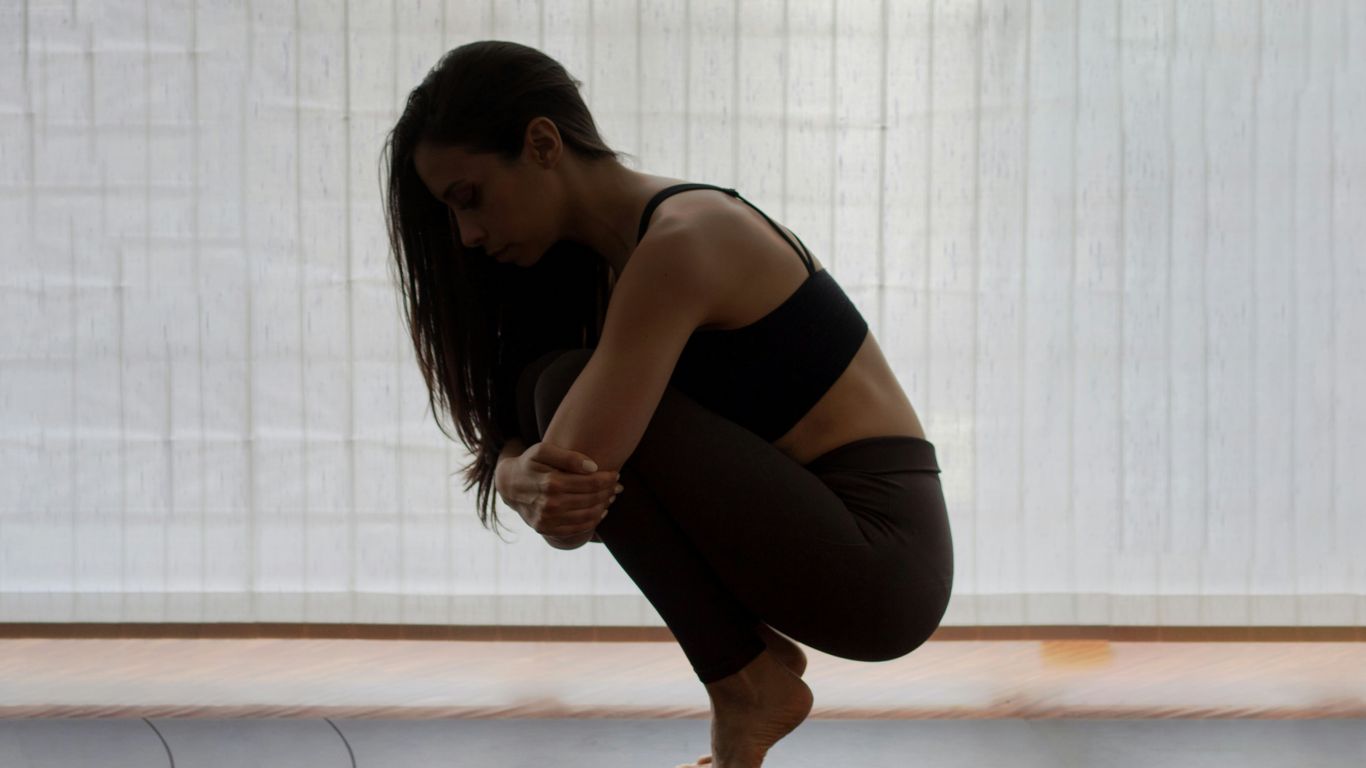
Yin Yoga is a really slow-paced style where you hold poses for a good chunk of time, sometimes several minutes. It's not about building heat or getting a big sweat going like some other styles. Instead, the whole point is to get into the deeper connective tissues of your body – think fascia, ligaments, and joints. Because you're holding these poses for so long, it can feel pretty intense, but it's a different kind of intensity. It's more about finding your edge, that point where you feel a stretch but can still breathe and stay present.
This practice is super beneficial for increasing flexibility and joint mobility. It also has a really calming effect on the nervous system, which is why it's often recommended for stress relief. It encourages a more meditative state, helping you to connect with your body on a deeper level and release stored tension.
Here’s what you can generally expect in a Yin Yoga class:
- Longer Holds: Poses are held for 3-5 minutes, sometimes even longer.
- Passive Stretching: The focus is on relaxing into the pose rather than actively engaging muscles.
- Targeting Connective Tissues: Poses are designed to stress the fascia and joints.
- Mindful Breathing: Deep, steady breaths are used to help you relax and stay present.
- Use of Props: Bolsters, blankets, and blocks are often used to support the body and help you find a comfortable, sustainable stretch.
Yin Yoga asks you to be still and patient. It's a practice that teaches you to sit with discomfort, both physically and mentally, and to observe your reactions without judgment. This can be a powerful way to cultivate self-awareness and emotional resilience.
It's a great complement to more active yoga styles or any physical activity that involves a lot of muscle engagement. If you're looking for a way to unwind, improve your range of motion, and cultivate a sense of inner calm, Yin Yoga might be just what you need.
Ashtanga Yoga
Ashtanga yoga is a pretty intense style, and it’s known for being quite structured. It follows a specific series of poses that you move through in a set order, linked together with your breath. This isn't a style where the teacher just makes things up as they go along; there's a definite sequence. Think of it like a physical challenge that also works your mind.
This practice is often described as having six series, each one getting progressively harder. Most people, especially beginners, start with the Primary Series. It's designed to help purify the body and build strength and flexibility. You'll find yourself moving from one pose to the next with a steady rhythm, focusing on a specific type of breathing called Ujjayi breath, which sounds a bit like the ocean. This breath is key to building internal heat, which helps detoxify your body and prepare it for deeper stretches.
Here’s a general idea of what you might encounter:
- Sun Salutations (Surya Namaskar): These are the foundation, warming up the body and linking breath to movement.
- Standing Poses: You'll work through a series of poses that build strength and balance.
- Seated Poses: These are held for longer periods, focusing on flexibility and opening the hips and hamstrings.
- Finishing Sequence: A series of poses designed to cool the body down and bring you back to a state of calm.
Because Ashtanga is so set in its ways, it's great if you like routine and a clear path. You know what to expect, and you can really focus on refining your technique and deepening your practice over time. It's a commitment, for sure, but many find the discipline incredibly rewarding. If you're looking for a dynamic and structured practice, you might want to check out places like Asha Yoga Studio that offer Ashtanga.
Ashtanga yoga demands a certain level of physical commitment. It's not just about going through the motions; it's about engaging deeply with each pose and breath. The repetition of the sequence allows for a profound internal focus, helping to quiet the mental chatter and cultivate a strong mind-body connection. It’s a practice that builds resilience, both physically and mentally, over time.
Iyengar Yoga
Iyengar yoga is all about getting the poses just right. It really focuses on the details of how you position your body, making sure everything is aligned properly. This style often uses props like blocks, straps, and blankets to help you get into the poses correctly and hold them safely. It's not about rushing through a flow; it's more about precision and understanding the mechanics of each posture.
This meticulous approach makes Iyengar yoga a great choice if you're looking to improve your posture, build strength in a very specific way, or if you have injuries and need to practice with extra care. It's also fantastic for developing a deep awareness of your body and how it moves.
Here's what you might find in an Iyengar class:
- Detailed Instructions: Expect your teacher to give very precise cues about body placement.
- Use of Props: Blocks, straps, bolsters, and chairs are common tools to help you achieve the correct alignment.
- Longer Holds: Poses are often held for several breaths, allowing you to really feel the alignment and work into the pose.
- Focus on Fundamentals: Even experienced practitioners work on the basics, as there's always more to learn about alignment.
Because of its emphasis on precision and the use of props, Iyengar yoga can be really beneficial for people recovering from injuries or those who want to understand the physical structure of yoga poses more deeply. It's a practice that builds a strong foundation, both physically and mentally.
Iyengar yoga teaches you to observe your body closely. It's like a detailed map of your physical self, showing you where you're tight, where you're strong, and how to bring balance to your whole system. This attention to detail can spill over into other parts of your life, helping you be more mindful and aware.
Bikram Yoga
Bikram Yoga is a specific style of hot yoga that follows a set sequence of 26 postures and two breathing exercises. Every Bikram class is the same, no matter where you take it. The room is heated to about 105 degrees Fahrenheit (40.5 degrees Celsius) with 40% humidity, which is meant to help your muscles warm up and allow for a deeper stretch. It’s a pretty intense workout, and you'll definitely sweat a lot, which proponents say helps to detoxify the body.
This style was developed by Bikram Choudhury, and while it has a dedicated following, it's also faced some controversy. It's important to know that not all hot yoga is Bikram Yoga; Bikram is a specific sequence. Other hot yoga classes might vary in their poses and sequences.
Here’s what you can generally expect in a Bikram class:
- The Sequence: You'll move through 26 specific postures, holding each for a set amount of time. The sequence is always the same, designed to work your entire body.
- The Heat: The high temperature and humidity are key components. Make sure you're hydrated before, during, and after class.
- The Intensity: It's physically demanding. Be prepared to push yourself, but also listen to your body and rest when needed.
- The Focus: While it's a physical challenge, the practice also encourages mental focus and discipline.
If you're looking for a challenging, sweaty workout that follows a predictable structure, Bikram Yoga might be for you. It's a good idea to check out local yoga studios to see if they offer this specific style. Remember to wear light clothing and bring a towel and water bottle.
While the heat and set sequence are defining features, it's crucial to approach Bikram Yoga with awareness. The intensity can be a lot for beginners, and it's always wise to consult with a doctor if you have any health concerns before trying a hot yoga class. Modifications are sometimes offered, but the core sequence remains constant.
Kundalini Yoga
Kundalini yoga is a bit different from the styles you might see more often, like Vinyasa or Hatha. It's really focused on awakening your inner energy, and it does this through a mix of things. You'll find a lot of breathwork, which they call pranayama, and chanting, plus meditation and specific movements or poses. The goal is to stir up that energy, often called Kundalini, which is said to be coiled at the base of your spine, and help it move upwards.
It's not just about the physical poses, though those are part of it. Kundalini classes often feel more like a spiritual or energetic practice. You might do repetitive movements for a while, hold poses, and focus intensely on your breath. Chanting mantras is also a big part of it, which can feel really powerful and help you get into a different state of mind.
Here’s a general idea of what you might experience in a Kundalini class:
- Pranayama (Breathwork): Specific breathing techniques are used to energize the body and mind.
- Asana (Poses): Poses are often held for longer periods or done in repetitive sequences.
- Mantra (Chanting): Chanting is used to focus the mind and create vibrations.
- Meditation: Guided meditations are common, often focusing on specific effects or awareness.
- Kriyas: These are sets of exercises or sequences designed to achieve a particular outcome, like strengthening the nervous system or opening the heart.
If you're looking for a practice that goes beyond just physical fitness and touches on mental clarity and spiritual exploration, Kundalini might be something you want to check out. It can be quite intense, but many people find it incredibly rewarding for personal growth.
This style is often described as a path to self-discovery and heightened awareness. It encourages you to connect with your inner self and tap into a deeper sense of consciousness through its unique combination of physical, mental, and spiritual techniques.
Restorative Yoga
Restorative yoga is all about taking it easy and letting your body relax. Unlike more active styles, the main goal here is to help you unwind and recover. You'll often see a lot of props used – think bolsters, blankets, blocks, and straps. These aren't just for decoration; they're there to fully support your body in gentle poses, so you don't have to work hard to hold them.
This practice is perfect for anyone feeling stressed, tired, or just needing a break from the daily grind. It's a way to give your nervous system a much-needed rest. By holding poses for longer periods, with the support of props, your body can release tension it might be holding onto without you even realizing it.
Here’s what you can typically expect:
- Gentle Poses: Poses are usually simple and held for several minutes.
- Extensive Prop Use: Bolsters, blankets, and blocks are used to make poses comfortable and fully supported.
- Focus on Relaxation: The emphasis is on deep rest and calming the mind.
- Mindful Breathing: You'll be encouraged to breathe deeply and slowly.
It’s a great option if you’re dealing with physical fatigue, mental exhaustion, or even recovering from an illness. It's not about pushing your limits, but rather about finding stillness and allowing your body to heal and recharge.
Restorative yoga offers a quiet space to simply be. It's a practice that encourages you to slow down, breathe, and allow your body to find a state of deep ease. The support from props helps you to let go of effort, making it accessible for almost everyone, regardless of physical condition or experience level.
Beginner Yoga Classes
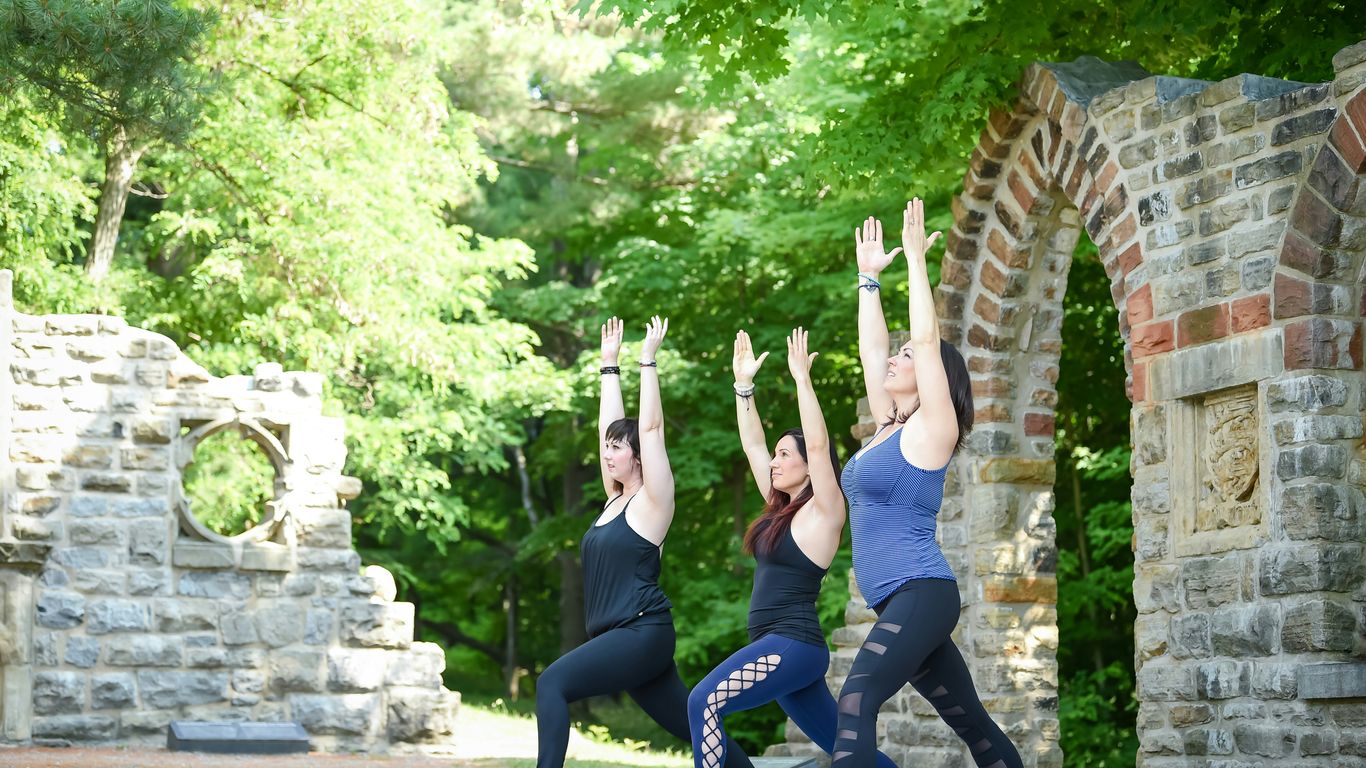
Starting yoga can feel a little daunting, right? You see all these people flowing through poses that look super complicated, and you wonder if you'll ever get there. But honestly, beginner yoga classes are designed specifically for people like you – folks who are new to the mat or maybe haven't practiced in a while. The main goal is to get you comfortable with the basics.
Think of your first few classes as an introduction. You'll learn the names of common poses, how to get into them safely, and how to connect your breath with your movement. It’s not about being perfect; it’s about showing up and trying. Most instructors are really good at offering modifications, which means they'll show you easier ways to do a pose if it’s too much for your body right now. This is super helpful when you're just starting out.
Here’s what you can generally expect in a beginner class:
- Gentle Warm-up: Usually starts with some simple movements to get your body ready.
- Basic Poses: You'll learn foundational poses like Downward-Facing Dog, Warrior poses, and simple seated stretches.
- Breathing Exercises: Learning to breathe deeply is a big part of yoga, and beginner classes will guide you through this.
- Cool-down and Relaxation: The class typically ends with some gentle stretches and a period of rest, often called Savasana.
When you're looking for a class, don't be afraid to call the studio and ask if it's truly beginner-friendly. Some studios even offer special introductory workshops. For example, CFY yoga studio has a great reputation for welcoming newcomers.
Finding a beginner class is all about finding a space where you feel supported and not judged. It's a place to learn, grow, and start building a practice that feels good for your body. Don't worry about what anyone else is doing; just focus on your own mat and your own breath. That's where the real magic happens.
Don't forget to bring a water bottle and wear comfy clothes that let you move. Many studios offer mat rentals if you don't have your own yet. The most important thing to bring is an open mind and a willingness to explore. You might be surprised at what you discover about yourself on the yoga mat.
Online Yoga Classes
The world has gotten smaller, hasn't it? Now, you don't even need to leave your living room to find a great yoga class. Online yoga has really taken off, and honestly, it's pretty convenient. You can find classes for pretty much any style you can think of, from a super chill Yin session to a more energetic Vinyasa flow. This means you can practice yoga whenever and wherever suits you best.
Finding the right online class is a bit like picking a movie – there are tons of options. You'll want to think about what you're looking for. Are you a total beginner just trying to figure out the poses? Or maybe you're looking for something specific, like a class focused on back pain or improving sleep? Many platforms let you filter by style, level, and even instructor. Some sites even offer free classes, which is a nice way to test the waters without any commitment. You can access free online yoga classes without any sign-up, login, or credit card required. It's a good way to see if online yoga is for you.
Here are a few things to consider when picking an online class:
- Style: What kind of yoga are you in the mood for? Something slow and steady, or something that gets your heart rate up?
- Level: Make sure the class matches your experience. Most online platforms clearly label classes as beginner, intermediate, or advanced.
- Instructor: Watch a preview if possible. Do you connect with their teaching style? Do they seem encouraging?
- Platform: Some classes are live-streamed, while others are pre-recorded. Live classes offer interaction, but pre-recorded ones give you flexibility.
Practicing yoga online means you can create your own personal sanctuary for your practice. You control the environment, the music, and the timing. It's a fantastic way to build a consistent routine without the pressure of getting to a studio on time or worrying about what you look like.
Don't forget to check out different platforms. Some are subscription-based, offering a huge library of classes, while others are more pay-as-you-go. You might even find that your favorite local studio now offers online options, which can be a great way to support them while still enjoying the convenience of practicing at home.
Ready to Find Your Mat?
So, you've learned a bit about finding that perfect yoga spot. It's not just about rolling out a mat; it's about finding a place that feels right for you, whether you're looking to get a good sweat on or just find a quiet moment. Don't be afraid to try a few different places or styles. Remember, the best yoga class is the one you'll actually go to. Give it a shot, and you might just discover a new favorite way to de-stress and get stronger. Happy practicing!
Frequently Asked Questions
What's the best kind of yoga for someone just starting out?
For beginners, gentler styles like Hatha or Restorative yoga are excellent choices. These classes focus on basic poses and breathing, helping you build strength and learn mindfulness without feeling overwhelmed. They're a great way to get comfortable with the basics.
How do I pick the right yoga class for me?
Think about what you want to get out of yoga. Are you looking to get stronger, become more flexible, or just find a way to relax? Trying out different styles, like a flowing Vinyasa class or a slow Yin class, can help you discover what you enjoy most. Many studios offer special deals for new students, so take advantage of those to explore.
What should I bring to my first yoga class?
For your first class, bring a yoga mat, a water bottle, and a towel. Wear comfy clothes that let you move easily. If you don't have a mat, most studios have ones you can borrow. Most importantly, bring an open mind and be ready to learn!
Can I still do yoga if I'm not very flexible?
Absolutely! Yoga is for everyone, no matter your flexibility level. In fact, practicing yoga regularly can actually help you become more flexible over time. Teachers often show easier ways to do poses, so you can go at your own pace. It's all about making progress, not being perfect.
How often should I go to yoga classes to see good results?
The best frequency depends on your goals and what fits your life. To really notice changes in your flexibility, strength, and how calm you feel, try to go at least two or three times a week. But even one class a week can be beneficial. The most important thing is to be consistent.
How much do yoga classes typically cost?
The price of yoga classes can differ a lot based on where you are, the type of class, and if you buy a membership. A single class might cost around $15 to $25. Buying a package of classes or a monthly membership is usually cheaper per class. Some places also offer lower prices for community classes or have payment plans to make it more affordable.

