

Discover the Power of Ashtanga Yoga: A Comprehensive Guide
So, you've heard about yoga ashtanga yoga and are wondering what all the fuss is about. It's a pretty intense style, not like the gentle stretching you might see on Instagram. Think of it as a more disciplined approach to yoga, with a set sequence of poses that you move through with your breath. It's designed to build heat in your body, which helps with flexibility and detoxification. Whether you're looking to get stronger, clearer in your head, or just find a deeper connection with yourself, Ashtanga yoga might be worth checking out. It's a practice that can really change things up.
Key Takeaways
- Ashtanga yoga follows a specific series of poses, starting with the Primary Series, also known as 'Yoga Chikitsa'.
- The practice links breath with movement, called vinyasa, creating a flowing and often intense experience.
- It builds physical strength and flexibility while also promoting mental focus and stress reduction.
- Mysore style offers a traditional, self-paced learning environment, while led classes provide a more guided structure.
- Developing a personal yoga ashtanga yoga practice requires patience, consistency, and often the guidance of a qualified instructor.
Understanding Ashtanga Yoga's Foundation
Ashtanga Yoga isn't just a series of stretches; it's a whole system built on some pretty solid ideas. Think of it like a roadmap for getting stronger, calmer, and more connected to yourself. It all starts with the ancient teachings of Patanjali, which lay out a path with eight different "limbs" or steps. These aren't separate things you do, but rather parts of a whole practice that work together.
The Eight Limbs of Ashtanga
These eight limbs are like the building blocks of Ashtanga. They guide you not just on the mat, but in your whole life. They're meant to help you live a more balanced and meaningful existence.
- Yamas: These are about how you interact with the world and others. Things like not causing harm (ahimsa) and being truthful (satya) fall under this. It's about being a good person, basically.
- Niyamas: This limb focuses on your inner world and self-discipline. It includes things like keeping clean (saucha) and being content with what you have (santosha).
- Asana: This is what most people think of as yoga – the physical poses. They're designed to make your body strong and flexible.
- Pranayama: This is all about controlling your breath. It's amazing how much your breath can affect your energy and your mind.
- Pratyahara: This is where you start to turn your attention inward, away from distractions.
- Dharana: This is about focusing your mind on one thing, like your breath or a specific sensation.
- Dhyana: This is the state of meditation, where your focus becomes effortless.
- Samadhi: This is the ultimate goal, a state of deep connection and oneness.
The Primary Series: Yoga Chikitsa
When you start Ashtanga, you usually begin with the Primary Series, also called 'Yoga Chikitsa,' which means 'yoga therapy.' It's like the foundation of the whole practice. This series is a set sequence of poses that are meant to purify your body and mind. It's designed to build strength, increase flexibility, and help detoxify your system. You'll work through poses that focus on forward bends, twists, and gentle backbends, all linked together.
Vinyasa: The Breath-Movement Connection
What makes Ashtanga really unique is the vinyasa. This is the way you link your breath with each movement. Every inhale and exhale has a specific action attached to it. So, as you move from one pose to the next, you're not just doing a physical transition; you're doing it with a conscious breath. This creates a flowing, almost dance-like rhythm. It helps to build internal heat, which is thought to cleanse the body, and it also keeps your mind focused on the present moment. It's this constant flow that really makes the practice feel alive and dynamic.
The vinyasa system is key. It's not just about getting into the poses, but how you get into them and how you move between them. This mindful movement is what helps to quiet the chatter in your head and really connect with what your body is doing.
The Transformative Power of Ashtanga Yoga
Ashtanga yoga isn't just about moving through a set sequence of poses; it's a practice that can genuinely change you, inside and out. It’s a dynamic system that works on multiple levels, impacting your physical body, your mind, and even your overall sense of well-being. Many people start Ashtanga looking for a good workout, and they certainly find one, but they often discover so much more along the way.
Cultivating Physical Strength and Flexibility
One of the most immediate effects of a regular Ashtanga practice is the development of both strength and flexibility. The Primary Series, for example, is designed to systematically open the body. You'll find yourself gradually increasing your range of motion in poses that might have seemed impossible at first. Think about those deep forward folds or challenging backbends – with consistent effort, your body starts to respond. This isn't just about looking good; increased flexibility can help prevent injuries and make everyday movements feel easier. At the same time, holding poses for several breaths builds significant muscular strength and endurance. Your core gets stronger, your limbs become more toned, and you develop a better sense of how your body works. It’s a balanced approach to physical fitness that builds a resilient body.
Enhancing Mental Clarity and Reducing Stress
Beyond the physical, Ashtanga yoga has a profound effect on the mind. The constant focus required to link breath with movement, known as vinyasa, acts as a moving meditation. This practice trains your mind to stay present, quieting the usual chatter of worries and to-do lists. Many practitioners report feeling calmer and more centered after a session. Over time, this can translate into a significant reduction in stress and anxiety in daily life. You learn to observe your thoughts without getting carried away by them, which is a powerful skill. This mental discipline can also spill over into other areas, improving focus and concentration.
Achieving Holistic Well-being Through Practice
When you combine the physical toning and opening with the mental calm, you start to see a more holistic transformation. Ashtanga yoga encourages a deep connection between your body and mind, leading to a greater sense of self-awareness. You become more attuned to your body's signals and your emotional state. This practice can lead to a more balanced perspective on life's challenges. It’s about building a sustainable Ashtanga practice that supports you long-term, fostering a sense of inner peace and overall vitality. It’s a journey of self-discovery that unfolds with each breath and each pose.
The structured nature of Ashtanga, with its set sequences, provides a reliable framework. This predictability can be incredibly grounding, allowing practitioners to focus their energy inward and observe the subtle shifts happening within their physical and mental landscapes. It’s a path that rewards patience and persistence.
Exploring Ashtanga Yoga Styles
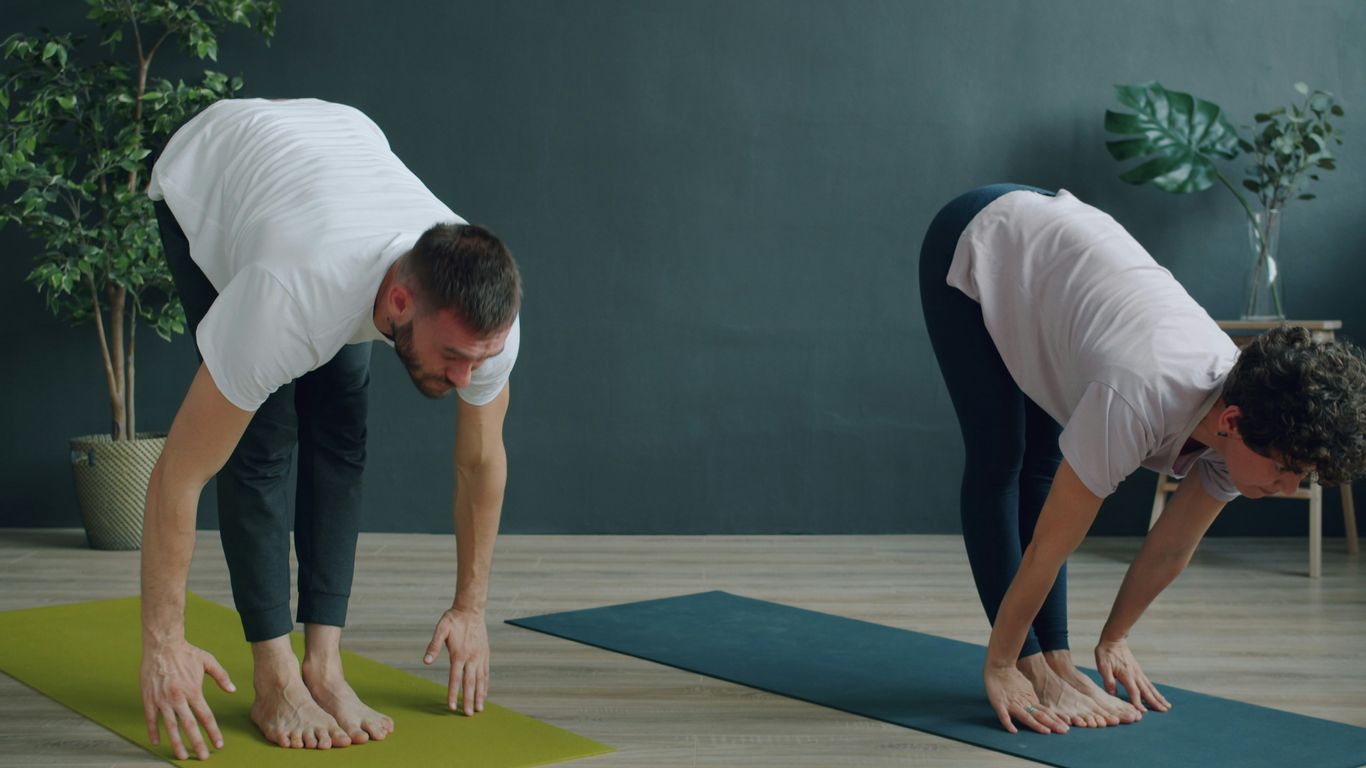
Ashtanga yoga isn't a one-size-fits-all kind of thing. While the sequence of poses, the Primary Series, is pretty set, how you learn and practice it can vary quite a bit. Two main ways people typically engage with Ashtanga are the traditional Mysore style and more structured led classes. Both have their own vibe and benefits, so understanding the differences can help you figure out what might work best for you.
Mysore Style: The Traditional Ashtanga Experience
This is how Ashtanga yoga has been taught for ages, originating from Mysore, India. In Mysore style, you practice the sequence at your own pace, with the teacher offering individual guidance. Think of it like a yoga workshop where everyone is working on their own part of the puzzle, but the teacher is there to help you with yours. You show up during a set time window, find your spot, and move through the series. The teacher walks around, offering adjustments, corrections, and encouragement as needed. It’s a really personal way to learn, allowing you to really connect with your body and the poses without the pressure of keeping up with a group. It builds a lot of self-reliance and discipline because you're responsible for your own practice. It’s a great way to develop a deep, personal relationship with your practice, viewing it as an evolving journey [e3d9].
Led Classes: A Structured Approach
Led classes are probably what most people picture when they think of a yoga class. The teacher calls out the poses and cues the breath, guiding the entire group through the sequence together. This format is really helpful for beginners because it gives you a clear structure and helps you learn the order of the poses and the vinyasa (the linking breath and movement). It's easier to just follow along and get a feel for the flow. You'll often hear the teacher counting the breaths for each pose, which keeps everyone moving in sync. It's a good way to get a feel for the energy of a group practice and to make sure you're moving through the sequence correctly. It can be a bit faster-paced than Mysore, but it's a solid introduction to the Ashtanga system.
Mastering Key Ashtanga Yoga Poses
Alright, let's talk about some of the poses you'll run into in Ashtanga. It's not just about getting into the shape, but how you move between them and how you breathe. That's where the real magic happens.
Standing Poses and Balance
This is where you build a solid base. Think of poses like Utthita Trikonasana (Extended Triangle Pose) or Virabhadrasana II (Warrior II). They might seem straightforward, but holding them with steady breath and proper alignment is key. You'll also encounter balancing poses like Utthita Hasta Padangusthasana (Extended Hand-to-Big-Toe Pose). The trick here is to find a steady gaze point (drishti) and really ground down through your standing foot.
- Foundation: Focus on hip alignment and engaging your core.
- Balance: Develop concentration by fixing your gaze.
- Breath: Use your inhales to lengthen and exhales to deepen.
Forward Bends and Backbends
Ashtanga is famous for its deep forward bends, like Paschimottanasana (Seated Forward Bend). It's easy to just try and touch your toes, but the real work is in lengthening your spine and folding from the hips. Don't force it; let your breath help you find more space. Then you have the backbends, such as Urdhva Dhanurasana (Upward Bow Pose or Wheel Pose). These are energizing and open up the chest. Remember to create space in your shoulders and keep your thighs turning inward.
When you're working on backbends, think about lifting your chest towards the sky rather than just pushing your hips forward. It's about creating length and space throughout your entire torso.
Jump Backs and Jump Throughs
These are the transitions that can feel a bit intimidating at first. Jump backs and jump throughs link poses together, creating that signature Ashtanga flow. It's a coordinated effort involving your breath, core strength, and a bit of momentum. The goal is to move smoothly, keeping your core engaged and your spine long.
Here's a simplified breakdown of a jump through:
- Prepare: From a forward fold, place your hands firmly on the mat, fingers spread wide.
- Engage: Inhale and lift your hips slightly, drawing your navel in.
- Transition: Exhale and gently hop your feet forward, aiming to land them just in front of your hands, or even through your hands if you're ready.
- Extend: As you inhale, extend your legs forward into a seated position, keeping your core strong and your chest lifted.
It takes practice, so be patient with yourself. Focus on the steps and build up gradually.
Developing Your Personal Ashtanga Practice
So, you've been exploring Ashtanga and feeling that pull to make it your own, right? It's totally normal to want to build a practice that fits you. It's not just about going through the motions; it's about finding what works for your body and your life.
Tips for Beginners
Starting Ashtanga can feel like a lot at first. There's a set sequence, and it's pretty demanding. But don't let that scare you off. The most important thing is to be patient with yourself. Seriously, nobody gets the Primary Series perfect on day one. Focus on showing up and doing what you can. Listen to your body – it's your best guide. If something feels off, ease up or ask for help. Using props like blocks or straps can be a game-changer for getting into poses safely and with better alignment. Don't be shy about them!
- Start slow: Don't try to rush through the sequence. Focus on one pose at a time.
- Consistency over intensity: A shorter, regular practice is better than a long, infrequent one.
- Breath is key: Always come back to your breath. It's your anchor.
- Find a good teacher: This is huge. A qualified instructor can guide you safely and effectively.
Building a Home Practice
Once you've got a bit of a handle on things, setting up a space at home can really deepen your practice. It doesn't need to be fancy. Just a quiet corner where you won't be interrupted is perfect. Having a dedicated spot makes it easier to roll out your mat, even when you don't feel like it. Think about the time of day, too. Are you a morning person, or do you prefer to unwind in the evening? Experiment to see what feels best for your energy levels.
Building a home practice is about creating a personal sanctuary for movement and breath. It's a space where you can connect with yourself without external distractions, allowing for a more introspective and focused experience. This personal time can be incredibly rewarding.
The Role of a Qualified Instructor
Seriously, don't underestimate the value of a good teacher, especially when you're starting out. They're not just there to tell you what pose comes next. A skilled instructor can spot things in your alignment that you'd never notice yourself. They can offer modifications when you're struggling and provide adjustments that help you understand the pose on a deeper level. They also create a safe environment, which is super important in a practice like Ashtanga that can push your limits. Think of them as your guide, helping you avoid common pitfalls and build a strong, safe foundation.
| Aspect of Instruction | Beginner Focus | Intermediate Focus |
|---|---|---|
| Alignment | Basic posture setup | Subtle adjustments, energy lines |
| Breath | Synchronizing breath with movement | Deepening pranayama, breath retention |
| Modifications | Using props, simpler variations | Exploring advanced options, deeper stretches |
| Safety | Injury prevention, listening to body | Understanding limits, safe transitions |
The Deeper Dimensions of Ashtanga Yoga
Ashtanga yoga is more than just a physical workout; it's a path that can lead to profound personal growth and self-discovery. While the dynamic sequences build strength and flexibility, the real magic happens when you start to connect with the deeper aspects of the practice. It’s about looking inward and understanding yourself on a level that goes beyond the mat.
Spiritual Growth and Self-Discovery
This practice offers a unique way to explore your inner landscape. By focusing on the breath and the steady rhythm of the poses, you create a space for introspection. It’s in these moments of quiet concentration that you can begin to notice patterns of thought and emotion, leading to a greater awareness of who you are. The journey through the Ashtanga series mirrors the journey of self-discovery, revealing strengths and areas for growth. It encourages a more honest and compassionate relationship with yourself, which then naturally extends to how you interact with the world around them.
The Kanda Center and Energy Flow
Ancient yogic texts talk about a vital energy center located deep within the pelvic region, often called the Kanda. This is considered the origin point for the body's energy channels, or nadis. When you practice Ashtanga, especially with a focus on breath and mindful movement, you're helping to direct and revitalize this energy. Think of it like clearing out blockages so that life force can flow freely throughout your entire being. This internal flow is key to feeling vibrant and healthy, both mentally and physically.
Integrating Yoga Philosophy into Daily Life
Ashtanga yoga is built on the Eight Limbs of Yoga, a framework that guides practitioners toward a more balanced and ethical life. These limbs aren't just for the yoga mat; they're meant to be lived. Here’s a quick look at how they can shape your everyday:
- Yamas (Ethical Restraints): Practices like non-violence (ahimsa) and truthfulness (satya) guide your interactions with others.
- Niyamas (Personal Observances): Things like self-discipline and contentment help you cultivate a positive inner state.
- Asana (Postures) & Pranayama (Breath Control): These are the physical and breathing practices that prepare you for deeper states of awareness.
- Pratyahara (Sense Withdrawal): Learning to turn your attention inward.
- Dharana (Concentration): Focusing your mind on a single point.
- Dhyana (Meditation): Sustained, effortless awareness.
- Samadhi (Blissful Union): A state of deep connection and peace.
The true power of Ashtanga lies not just in mastering the poses, but in how you carry the lessons learned on the mat into your daily existence. It's about living with more intention, kindness, and awareness, transforming not only your own life but also positively influencing those around you.
Wrapping Up Your Ashtanga Journey
So, that's Ashtanga yoga in a nutshell. It's a practice that asks a lot of you, for sure, but the payoff is pretty big. You'll likely find yourself stronger, more flexible, and maybe even a little calmer. It’s not always easy, and some days will feel tougher than others, but sticking with it can really change things for the better. Whether you're looking to get in shape, de-stress, or just try something new, Ashtanga might just be what you're looking for. Give it a shot, be patient with yourself, and see where this powerful practice takes you.
Frequently Asked Questions
What exactly is Ashtanga Yoga?
Ashtanga yoga is a type of yoga that involves doing the same set of movements and poses in a specific order, every time you practice. It's like a flowing dance that connects your breath with your body's movements. It's known for being a bit challenging but also very rewarding, helping you get stronger and more flexible.
Is Ashtanga Yoga hard for beginners?
It can feel challenging at first because it's a pretty active style. But don't worry! Beginners usually start with the 'Primary Series,' which is the first set of poses. The key is to go at your own speed, listen to your body, and maybe find a teacher who can guide you. You'll build up your strength and flexibility over time.
What are the main benefits of practicing Ashtanga Yoga?
Practicing Ashtanga yoga can make your body really strong and flexible. It also helps calm your mind, reduce stress, and improve your focus. Many people find it helps them feel more peaceful and balanced in their everyday lives. It's like a workout for both your body and your mind.
What's the difference between Mysore style and Led classes?
In Mysore style, you practice at your own pace while the teacher walks around and helps each person individually. It's like having a personal coach. In a Led class, the teacher calls out all the poses and guides the whole group together. Both are great ways to learn, just different vibes!
What is 'Vinyasa' in Ashtanga Yoga?
Vinyasa is the special way Ashtanga links your breath with your movements. For every inhale, you do a certain movement, and for every exhale, you do another. This creates a smooth, continuous flow, like a moving meditation. It helps build heat in your body and keeps your mind focused.
Do I need to be flexible to start Ashtanga Yoga?
Not at all! You don't need to be super flexible to begin. Ashtanga yoga is actually a great way to *gain* flexibility. The poses are designed to gradually open up your body. Just show up, do your best, and let the practice help you become more flexible over time.

