

Discover the Latest Trends: What's Hot in Yoga Right Now
Yoga is always changing, right? It feels like every few months, there's something new popping up. Whether you're a total beginner or you've been doing this for years, it's kind of interesting to see what's popular now. This year, a lot of what's hot in yoga is about making it fit into our busy lives, making it more inclusive, and even using technology. Let's check out what's trending.
Key Takeaways
- Shorter yoga practices, like 15-minute sessions, are becoming really popular because they fit into busy schedules and help people stay consistent.
- New styles are popping up, mixing yoga with things like martial arts, dance, or even doing yoga on a paddleboard. Sound healing is also being added.
- Yoga is getting more welcoming for everyone, with classes designed for different body types, ages, and abilities, making it more inclusive.
- Technology is playing a bigger role, with AI helping with posture and wearables giving real-time feedback during practice.
- There's a focus on building strength and functional movement through hybrid classes and using tools like resistance bands, alongside traditional yoga poses.
Embracing Shorter Yoga Practices
Micro-Sessions For Busy Lives
Life moves fast, right? It feels like there's never enough time for anything, especially a long yoga session. That's where these super short practices come in. We're talking about sessions that are just five to fifteen minutes long. They focus on the essentials – maybe some deep breathing, a few gentle stretches, or holding a couple of key poses. These quick bursts are perfect for fitting into a packed schedule. You can do them first thing in the morning, during a lunch break at work, or even right before you hit the pillow. It’s all about making yoga accessible, even when you think you don't have the time. It helps you stay connected to your practice without needing a huge chunk of your day. You can find some great 10-minute yoga flows online that are designed to get you moving and feeling better quickly.
Fifteen-Minute Grounding Routines
Sometimes, you just need a moment to pause and reconnect. A fifteen-minute routine can be surprisingly effective for this. Think of it as a mini-reset button for your day. These routines often focus on poses that help you feel more centered and calm. They might include simple seated stretches, a few gentle twists, and a focus on your breath. The goal is to bring you back to the present moment, helping to shake off stress or a scattered mind. It's not about achieving complex poses; it's about finding a sense of peace and stability. Here’s a simple structure you might follow:
- Centering Breath (2 minutes): Sit comfortably and focus on deep inhales and exhales.
- Gentle Stretches (5 minutes): Include neck rolls, shoulder shrugs, and seated twists.
- Standing Poses (5 minutes): Try a simple Mountain Pose, a gentle Forward Fold, and a brief Warrior II on each side.
- Savasana (3 minutes): Lie down and allow your body to relax completely.
These short, focused sessions are a practical way to maintain a sense of calm and presence throughout your day, proving that even a little bit of yoga can make a big difference.
Achieving Consistency With Short Bursts
One of the biggest hurdles for many people when it comes to yoga is sticking with it. It's easy to start strong but then fall off track when life gets busy. The beauty of these shorter practices is that they make consistency much more achievable. Instead of aiming for an hour-long class a few times a week, you can commit to just 10 or 15 minutes every day. This builds a habit that's much easier to maintain. Think of it like this:
- Lower the barrier to entry: A short session feels less daunting.
- Build momentum: Daily practice, no matter how brief, creates a routine.
- Prevent burnout: You're less likely to feel overwhelmed or exhausted by a short practice.
- See gradual progress: Consistent, small efforts add up over time.
This approach helps you stay connected to your yoga practice regularly, which is key to experiencing its full benefits, both physically and mentally. It’s about showing up for yourself, even if it’s just for a few minutes.
The Rise of Fusion Yoga Styles
Yoga Meets Martial Arts and Dance
Yoga has always been about connecting the body and mind, but lately, it's getting a whole lot more dynamic. Think less about just holding poses and more about flowing through them with a new kind of energy. Many instructors are mixing traditional yoga with elements from martial arts and dance. This means you might find yourself adding kicks and punches to your sun salutations or incorporating graceful, fluid movements that feel more like a ballet class than a typical yoga session.
It's a way to make yoga feel fresh and exciting, especially if you're someone who likes a bit of variety in your workouts. These fusion styles add a playful challenge, pushing your coordination and balance in new ways.
Stand-Up Paddleboard Yoga Adventures
Remember those yoga classes you do indoors? Well, now you can take them outside, literally on the water. Stand-up paddleboard (SUP) yoga is exactly what it sounds like: doing your yoga poses while balancing on a paddleboard out on a lake, river, or even the ocean. It sounds tricky, and honestly, it is! Falling in is part of the fun for many people.
This trend is fantastic for building core strength and improving your balance. Plus, you get to enjoy the fresh air and beautiful scenery while you practice. It’s a great way to combine your love for yoga with a bit of outdoor adventure.
Sound Healing and Yoga Combinations
This is a really interesting one. Imagine a yoga class where the usual quiet is filled with the deep, resonant sounds of singing bowls, gongs, or even chanting. Sound healing, also known as sound baths, uses vibrations from these instruments to help you relax and de-stress. When combined with yoga, it creates a deeply immersive experience.
During a class like this, you might hold poses for longer, allowing the sound vibrations to wash over you. It's believed to help release tension, calm the nervous system, and deepen your meditative state. It’s a more passive way to experience the benefits of yoga, focusing on relaxation and inner peace. It’s not just about the physical movement anymore; it’s about the whole sensory experience.
Inclusive and Adaptive Yoga For All
Yoga is really opening its doors wider these days, which is pretty great. It's not just for the super flexible or those who can spend hours on the mat anymore. We're seeing a big push for practices that welcome everyone, no matter their body shape, age, or physical abilities. This means more options like chair yoga, classes designed for different life stages, and ways to modify poses for people dealing with injuries or chronic pain.
Body-Positive Yoga Practices
This approach focuses on accepting your body as it is right now. Instead of pushing for a certain look or shape, it's all about how yoga feels and what it does for your well-being. Teachers are encouraging self-compassion and celebrating what bodies can do, rather than what they can't. It's a refreshing change from the often appearance-focused fitness world.
Yoga Tailored for Different Ages
- Seniors: Gentle yoga and chair yoga help maintain mobility, balance, and strength, making everyday activities easier.
- Teens: Classes can focus on building confidence, managing stress from school, and developing healthy habits.
- Adults: General classes offer a balanced approach to fitness and stress relief, adaptable to various fitness levels.
Adaptive Yoga for Varied Abilities
Adaptive yoga is a game-changer for people with physical limitations. It uses props like chairs, blocks, and straps to make poses accessible. This could be for someone recovering from surgery, living with a disability, or managing a condition like arthritis. The goal is to find movement and breathwork that supports healing and improves quality of life.
The focus here is on modification and finding what works for the individual, rather than forcing a pose. It’s about making yoga a tool for personal well-being, not a test of physical prowess.
Technology's Impact on Yoga
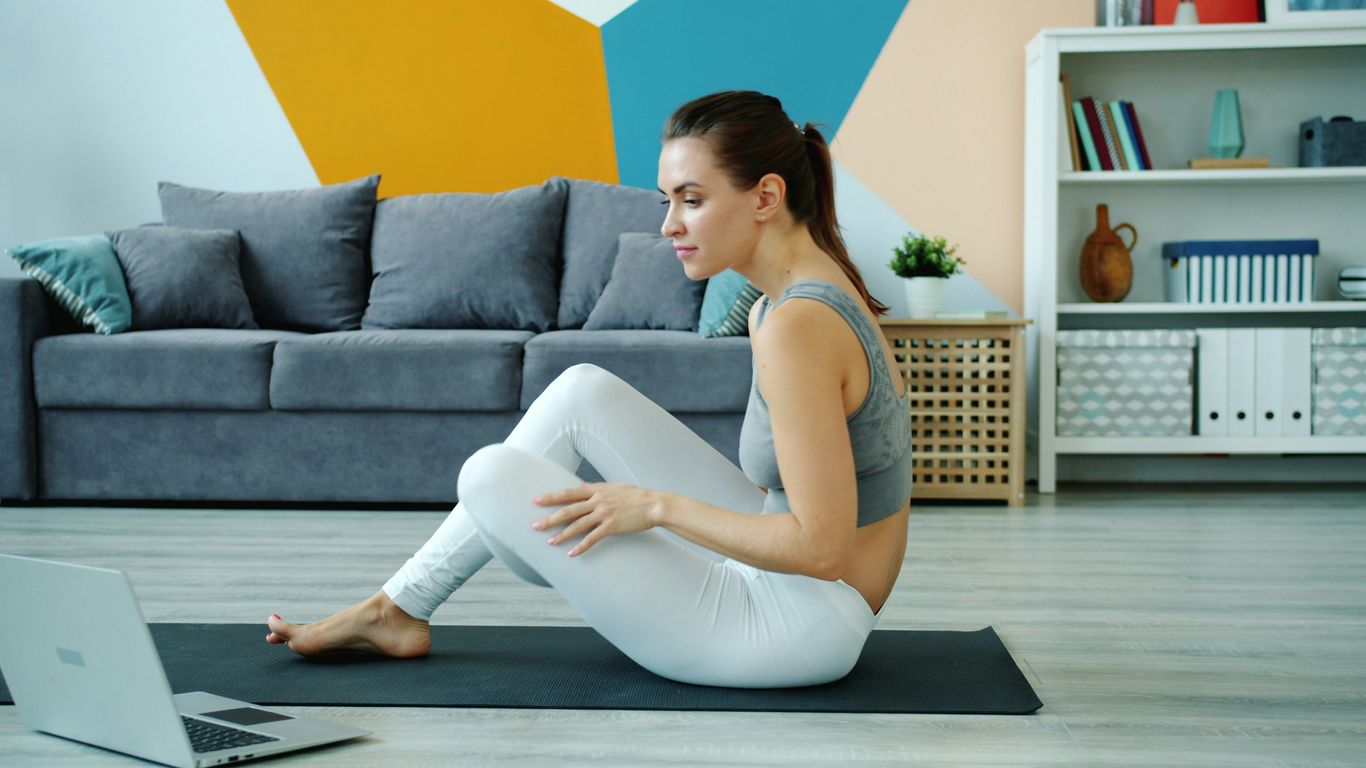
It’s pretty wild how much tech is creeping into, well, everything these days, and yoga is no exception. Honestly, I used to think yoga was all about just rolling out a mat and finding your zen, but now there are apps and gadgets that can actually help you do poses better. It’s like having a personal instructor right there with you, even when you're practicing alone.
AI-Powered Posture Correction
This is a big one. You know how sometimes you're not sure if you're doing a pose quite right? AI is stepping in to help. Some apps and smart mirrors use your phone's camera to watch your form. They can tell you if your back is too rounded in downward dog or if your hips are too high in warrior II. It's all about getting the alignment spot-on to get the most out of the pose and, hopefully, avoid any tweaks or strains. It’s not quite the same as a live teacher spotting you, but it’s a pretty good digital assistant.
Wearable Tech for Real-Time Feedback
Then there's the wearable stuff. Think smartwatches or special bands that track things like your heart rate, how you're breathing, and even subtle movements. Some of these devices can give you feedback right as you're practicing. Imagine a little buzz if your breath rate gets too fast or if your body is showing signs of tension. It’s a way to get super in tune with your body's signals during practice, which can be really helpful for managing stress and staying present. This kind of tech can really help you understand your body's responses during yoga sessions.
Virtual Reality Yoga Experiences
And for something a bit more out there, there's virtual reality yoga. You put on a headset, and suddenly you're in a serene forest or on a beach, doing your practice. It’s supposed to make the experience more immersive and calming. Some VR classes even incorporate interactive elements. It’s definitely a unique way to escape the everyday and find a peaceful space to practice, no matter where you physically are.
The integration of technology into yoga isn't about replacing the ancient wisdom or the human connection. Instead, it's about providing new tools to support accessibility, precision, and a deeper connection with one's own body and mind. It's about making the practice more effective and available to more people.
Here's a quick look at what these technologies offer:
- AI Posture Correction: Analyzes form via camera, provides real-time alignment cues.
- Wearable Sensors: Track heart rate, breath patterns, and movement for biofeedback.
- VR Environments: Create immersive settings for a more engaging and calming practice.
- Smart Mats: Some mats have sensors to guide foot placement and alignment.
Strength-Building and Functional Yoga
Hybrid Classes for Enhanced Fitness
Forget the idea that yoga is just about stretching and chilling out. These days, many studios are mixing things up, blending traditional yoga poses with more intense fitness moves. Think of it as getting the best of both worlds: the flexibility and mindfulness of yoga combined with the muscle-building power of strength training. These hybrid classes often incorporate elements like lunges, squats, and even short bursts of cardio, all linked together with flowing yoga sequences. It’s a fantastic way to get a full-body workout that not only makes you stronger but also improves your coordination and balance. You'll find yourself building lean muscle while still getting that calming, focused feeling yoga is known for. It’s a smart approach for anyone looking to get fit without just hitting the weights.
Mobility Drills Integrated with Yoga
This trend is all about making your body move better, not just stronger. Instead of just holding poses, there's a growing focus on dynamic movements that improve your range of motion. You might see more exercises that focus on joint health, like controlled leg swings, hip circles, and spinal twists, woven directly into the yoga flow. These aren't just random stretches; they're carefully chosen to target areas that often get tight or stiff from sitting too much or from repetitive activities. The goal is to make everyday movements feel easier and to help prevent injuries down the line. It’s about creating a body that’s not only powerful but also agile and resilient. This kind of practice really helps you feel more connected to how your body works and moves.
Using Resistance Tools in Practice
Adding resistance tools to your yoga practice is another way things are getting more robust. You'll see people using things like resistance bands, light weights, or even their own body weight in creative ways during yoga poses. For example, a resistance band might be used around the thighs during a warrior pose to really fire up the glutes and hips, or light dumbbells could be incorporated into arm balances to build more upper body strength. This approach takes familiar yoga poses and adds an extra layer of challenge, pushing your muscles a bit further. It’s a great way to build functional strength, meaning the strength you use in everyday life, like lifting groceries or playing with kids. It’s about making yoga a more complete physical training system.
The focus here is on building a body that's not just strong, but also capable and ready for whatever life throws at it. It’s about practical strength that supports your daily activities and keeps you moving well for years to come.
Here’s a quick look at how different tools can add to your practice:
- Resistance Bands: Great for adding tension to leg and arm movements, improving muscle activation and endurance.
- Light Weights (Dumbbells/Kettlebells): Useful for adding load to poses like lunges, warrior variations, and even seated twists, building more muscle mass.
- Suspension Trainers (e.g., TRX): These allow for a wide range of bodyweight exercises that challenge balance and core strength, often integrated into yoga flows for a unique workout.
This evolution in yoga is perfect for anyone who wants to feel more capable and powerful in their own skin. It’s about making yoga a dynamic part of a healthy, active lifestyle, moving beyond just flexibility to embrace true functional strength. You'll leave class feeling worked, centered, and ready to take on your day with renewed vigor.
Yoga for Mental Wellness and Healing
Trauma-Informed Yoga Approaches
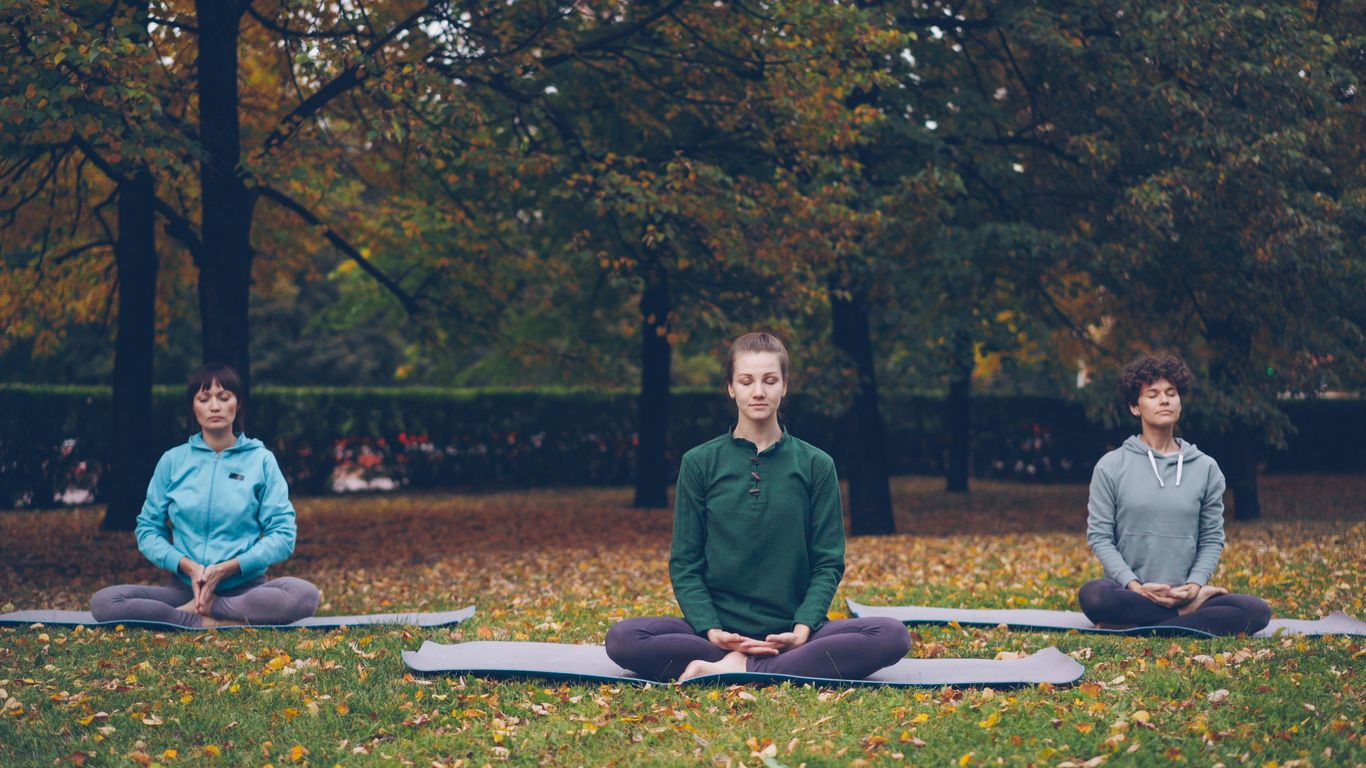
More and more, yoga is being recognized not just for its physical benefits, but for its profound impact on our mental and emotional well-being. This is especially true when it comes to approaches that are sensitive to past trauma. Trauma-informed yoga focuses on creating a safe and supportive environment where individuals can explore movement and breath without feeling overwhelmed or re-triggered. It's about empowering practitioners to reconnect with their bodies in a gentle, mindful way. The emphasis is on choice, control, and building a sense of inner safety. Teachers trained in this approach are mindful of language, offer options for poses, and create a calm atmosphere. This focus on safety and empowerment is what makes trauma-informed yoga a powerful tool for healing.
Practices for Stress and Anxiety Reduction
Life throws a lot at us, and it's easy to feel stressed or anxious. Yoga offers a practical toolkit to help manage these feelings. Gentle flows, longer holds in poses, and mindful movement can help calm a racing mind. Practices like Yin yoga, where poses are held for several minutes, allow the body to release tension deeply. Restorative yoga, using props to fully support the body, is another fantastic way to encourage deep relaxation. Even short, focused sessions can make a difference.
Here's a quick look at how different yoga styles can help:
- Yin Yoga: Holds poses for 3-5 minutes, targeting deep connective tissues and promoting stillness.
- Restorative Yoga: Uses props like bolsters and blankets for complete support, encouraging deep relaxation and nervous system calming.
- Gentle Hatha: Focuses on basic poses with mindful breathing, suitable for beginners and those seeking a calm practice.
- Mindful Movement: Paying close attention to the sensations in the body during simple movements, bringing awareness away from anxious thoughts.
Breathwork for Nervous System Regulation
Our breath is a direct link to our nervous system. When we're stressed, our breath often becomes shallow and rapid. By consciously changing our breathing patterns, we can signal to our body that it's safe to relax. Techniques like diaphragmatic breathing (belly breathing) activate the parasympathetic nervous system, which is responsible for rest and digestion. Alternate nostril breathing (Nadi Shodhana) is another popular technique that can help balance the left and right hemispheres of the brain, leading to a sense of calm and clarity. Even just a few minutes of focused breathing can shift your state from stressed to centered.
The practice of yoga, when approached with intention and awareness, becomes a sanctuary. It's a space where we can learn to be present with whatever arises, cultivating resilience and a deeper connection to ourselves. This mindful engagement with the body and breath is key to navigating life's challenges with greater ease.
Eco-Conscious Yoga and Nature Retreats
If you’re someone who hates tossing out yet another plastic yoga mat, you’re going to love what’s happening right now in the yoga world. Eco-friendliness is more than just a buzzword—it's actually changing how people do yoga, where they do it, and who feels welcome. Let's look at what this actually means for classes and retreats.
Sustainable Yoga Practices
Practicing yoga sustainably goes beyond switching to a cork mat or reusable water bottle. Studios and personal practices are embracing:
- Biodegradable props and accessories
- Energy-saving studio designs and solar power
- Local and organic snacks or refreshments
- Carpooling or biking incentives for students
| Sustainable Practice | Description |
|---|---|
| Cork/Jute Mats | Replace synthetic with natural |
| Compostable Cleaning Wipes | Ditch single-use plastics |
| Low-Energy LED Lighting | Save power |
| Minimal Packaging for Products | Less waste, less clutter |
Making small sustainable swaps in your yoga routine can actually feel refreshing, even if it takes a bit of getting used to at first.
Nature-Based Yoga Experiences
Lately, a lot of people are stepping outside for their yoga. There’s something simple but calming about doing sun salutations where you can actually feel the sun.
Here are some nature-inspired ways people are practicing:
- Yoga classes in city parks, forests, or beside lakes
- Full-moon or sunrise sessions in public spaces
- Community events that pair yoga with trail walks or beach cleanups
Not every outdoor yoga event is perfect—bugs, wind, and passing dogs are all part of the deal—but people still keep coming back for that real connection to nature.
Green Retreats in Beautiful Locations
Yoga retreats in 2026 don’t just promise relaxation; they want to send you home feeling like you’ve made a positive impact. The best ones now:
- Choose off-the-grid locations with minimal ecological footprint
- Partner with local farmers and craftspeople for food and activities
- Offer workshops on zero-waste living or sustainability
- Encourage guests to unplug, even if Wi-Fi is available
| Retreat Feature | Eco-Friendly Focus |
|---|---|
| Solar-Powered Lodges | No reliance on fossil fuels |
| Organic Locally-Grown Meals | Lower carbon footprint |
| Waste-Free Toiletries | All natural, no single-use items |
| Rewilding Experiences | Restoring habitats, not harming |
When you spend a weekend doing yoga surrounded by trees, eating food grown just around the corner, and knowing your retreat isn’t leaving behind trash, it’s hard not to want to keep that mindset when you get home.
Wrapping It Up
So, there you have it. Yoga is really changing, isn't it? It’s not just about the old-school poses anymore. Whether you're looking for a quick 15-minute stretch during your lunch break, a high-tech way to check your form at home, or a class that's super welcoming no matter your body type, there's something out there for you. These new trends show that yoga is really trying to fit into our busy, modern lives, making it easier for everyone to find a little peace and strength. It’s pretty cool to see how this ancient practice keeps finding new ways to help us out.
Frequently Asked Questions
What are the newest trends in yoga?
Yoga is always changing! Right now, people are loving shorter yoga sessions for busy days, mixing yoga with other activities like dance or paddleboarding, and making yoga more welcoming for everyone, no matter their age or body type. Technology is also playing a bigger role, with apps helping with poses and even virtual reality yoga classes.
Can I still do yoga if I don't have much time?
Absolutely! Many people are finding that short, 5- to 15-minute yoga practices are perfect for fitting into a busy schedule. These quick sessions can focus on simple stretches, breathing, or a few key poses to help you feel more grounded and consistent with your practice.
What is 'fusion yoga'?
Fusion yoga means blending traditional yoga poses with other activities. Think yoga combined with martial arts, dance, or even doing yoga on a paddleboard in the water! It's a fun way to try new things and add variety to your usual yoga routine.
Is yoga becoming more inclusive?
Yes, definitely! Yoga is becoming more open to everyone. There are classes designed for different ages, body shapes, and abilities, like chair yoga or adaptive yoga. The goal is to make sure yoga feels good and is accessible for all people.
How is technology changing yoga?
Technology is making yoga more interactive. You might find apps that help you check your posture, or wearable devices that give you feedback on your breathing and how you're doing during a pose. Some studios even offer virtual reality yoga experiences!
Is yoga good for stress and mental health?
Yes, yoga is great for your mind! Many new classes focus on helping with stress, anxiety, and even healing from tough experiences. Simple breathing exercises and gentle movements can help calm your nervous system and make you feel more balanced.


