

Discover the Best Yoga Blocks for Your Practice: A Comprehensive Guide
So, you're looking to get more out of your yoga practice, huh? Maybe you've seen people using these blocks and wondered if they're worth it. Let me tell you, they really can be! Yoga blocks are like little helpers that give you support and balance, letting you try poses that might seem a bit out of reach right now. They also help make sure you're doing things the right way, which is super important. Picking the right yoga blocks can make a big difference, so we've put together this guide to help you figure it all out. Let's find the best yoga blocks for you.
Key Takeaways
- Yoga blocks offer support and balance, making poses more accessible and helping with proper alignment.
- Different materials like cork, foam, and wood offer unique benefits in terms of weight, firmness, and grip.
- Consider your experience level, body type, and the poses you practice most when choosing a block.
- Factors like size, weight, grip, firmness, and sustainability should guide your decision for the best yoga blocks.
- Blocks can be used in many ways, from deepening poses to providing comfort in restorative stretches.
1. Cork Yoga Block
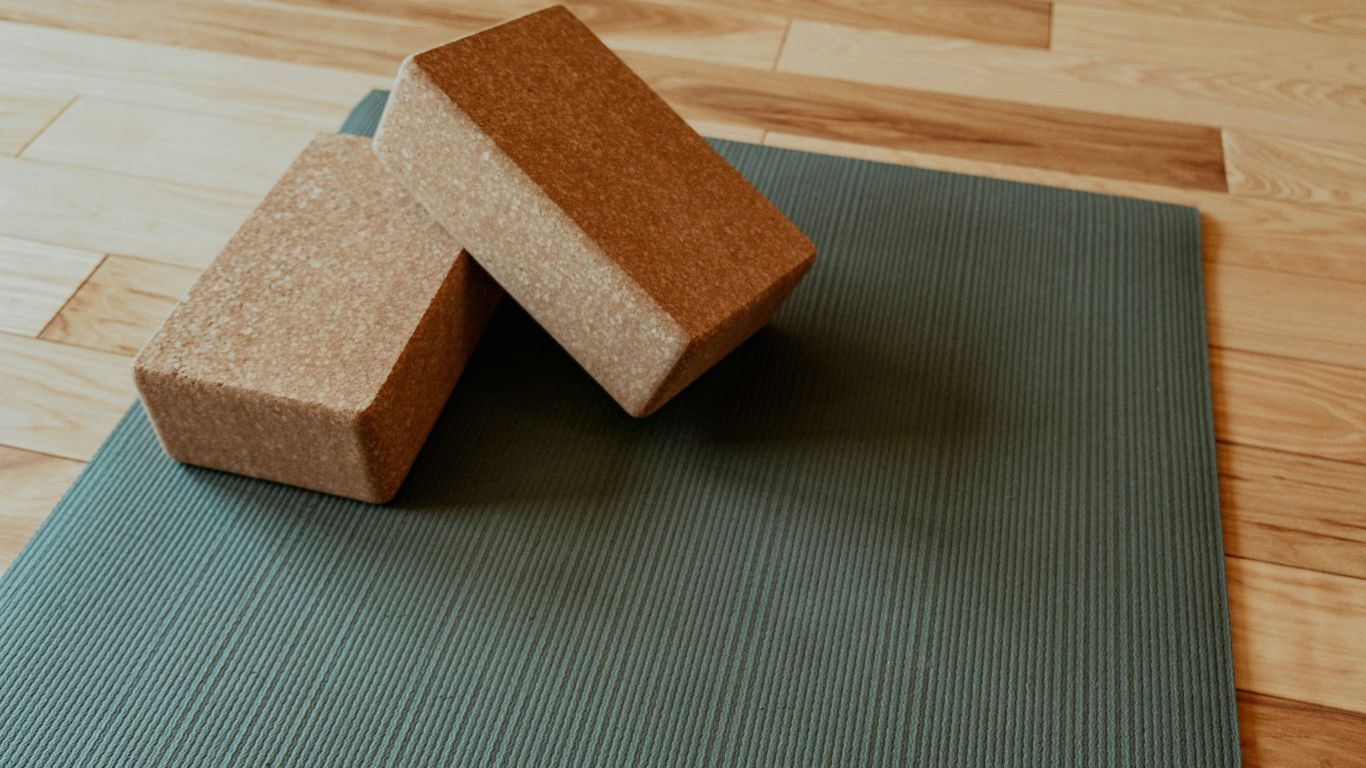
Cork yoga blocks are a popular choice for a reason. They feel natural under your hands and offer a good amount of firmness, which is great when you need solid support. They tend to stay put, even if your hands get a little sweaty during practice. This makes them a reliable option for poses where balance is key or when you're really trying to deepen a stretch.
Cork is also a pretty sustainable material, usually harvested from trees without harming them. So, if you're thinking about the environment, a cork block is a solid pick.
Here's a quick look at what makes cork blocks stand out:
- Grip: Excellent, even with moisture.
- Firmness: Offers good stability without being rock-hard.
- Durability: They hold up well over time.
- Sustainability: Often made from renewable resources.
While they might be a bit heavier than foam blocks, that extra weight can actually add to their stability. They're a nice middle-ground between the softness of foam and the rigidity of wood. You can use them for almost any type of yoga, from a gentle restorative session to a more vigorous vinyasa flow. Just be aware that if you're planning to sit on them for extended periods, they might feel a little less forgiving than a softer foam block.
Cork blocks provide a dependable foundation for your practice. Their natural texture offers a secure grip, and their density gives you the confidence to explore deeper poses without worrying about slippage. They're a great all-around choice for many yogis.
2. Foam Yoga Block
Foam yoga blocks are probably the most common type you'll see, and for good reason. They're usually the most budget-friendly option, which is a big plus when you're starting out or just want to add a few props to your collection without breaking the bank. Plus, they're super lightweight, making them a great choice if you plan on lugging them to and from yoga classes or traveling.
These blocks offer a good amount of cushioning, which can be really nice for poses where you need a bit of softness under your hands, wrists, or hips. They're generally less dense than cork or wood, so they feel a bit more forgiving. This can be helpful for beginners who are still building strength and flexibility, as it allows you to ease into poses without putting too much strain on your body.
However, because they are softer, they might not provide as much stability as firmer blocks, especially in poses that require a lot of balance. Also, some foam blocks can wear down over time, and cheaper ones might even start to crumble or split, though newer, higher-density foams are much more durable.
Here's a quick look at what makes foam blocks a popular choice:
- Lightweight: Easy to carry around.
- Affordable: Generally the least expensive option.
- Cushioning: Provides a softer feel for comfort.
- Beginner-friendly: Offers support without being too rigid.
When you're picking out a foam block, check the density. Higher density foam will give you more support and last longer. Some brands are also making more eco-friendly foam blocks now, using recycled or plant-based materials, which is a nice bonus if that's important to you.
While foam blocks are fantastic for many situations, especially for travel or when you need that extra bit of padding, they might not be the best choice if you're looking for maximum firmness and long-term durability in every single pose. It's worth considering what kind of support you need most in your practice.
3. Wooden Yoga Block
Wooden yoga blocks are the old-school choice, and for good reason. They're built like a tank, offering serious stability and a long lifespan. If you're looking for something that won't budge, especially in poses where you need to feel really grounded, a wooden block is your guy. They're heavier than foam or cork, which means they're not the best for tossing in your gym bag, but at home or in a studio, their weight is actually a plus for staying put.
These blocks are fantastic for building strength and working on balance. Think about poses like standing splits or inversions where you need a solid foundation. A wooden block provides that unwavering support. They might feel a bit hard for super-restorative poses, but a small towel folded on top can make them more comfortable. Plus, they just look really nice, don't they?
When you're checking out wooden blocks, pay attention to a few things:
- Material: Different woods have different densities. Hardwoods like ash or maple are common and offer the best durability.
- Construction: Look for blocks made with good joinery and smooth, rounded edges. This makes them safer and more comfortable to use.
- Finish: A natural oil finish is nice, but a simple sealant can also protect the wood.
Here’s a quick look at what you might find:
| Type of Wooden Block | Typical Weight | Best For |
|---|---|---|
| Premium Hardwood (e.g., Ash) | 2.5-3 lbs | Serious practitioners, maximum stability |
| Standard Hardwood (e.g., Birch) | 2-2.5 lbs | Budget-conscious, good all-around use |
While they might be less forgiving than softer materials, wooden blocks offer a connection to something solid and dependable. They're a long-term investment in your practice, providing a firm base that can help you grow stronger and more stable over time.
4. Bamboo Yoga Block
Bamboo yoga blocks are a really interesting option, especially if you're trying to be a bit more mindful about the planet. They're made from compressed bamboo fibers, which is a pretty fast-growing plant, so that's a plus.
These blocks offer a nice balance between the firmness of wood and a slightly lighter feel. They're not as heavy as solid wood blocks, making them a bit easier to carry around if you practice at different locations. Plus, bamboo has this natural antimicrobial quality, which is kind of neat.
When you're looking at bamboo blocks, here's what you might notice:
- Sustainability: Bamboo grows quickly and can be harvested without harming the plant, making it a good eco-friendly choice.
- Durability: They're quite sturdy and can hold up well with regular use, though maybe not quite as long-lasting as the densest hardwoods.
- Weight: Generally lighter than traditional wooden blocks, which is a bonus for portability.
- Feel: They have a smooth, natural finish that feels good to the touch.
While bamboo blocks are a great sustainable choice, they might not offer the same plush comfort as foam blocks for very restorative poses. You might find yourself wanting to add a thin towel on top for extra softness if you're sinking into a long, relaxing pose.
They're a solid middle-ground option, good for a variety of poses where you need reliable support but don't want something super heavy. If you're looking for something that feels natural and has a good grip, bamboo is definitely worth checking out.
5. Manduka Yoga Block
Manduka is a brand many people know for their yoga mats, but they also make some pretty solid blocks. If you're looking for something that feels sturdy and reliable, their blocks are worth a look. They tend to be on the firmer side, which is great when you need solid support in poses that require a bit more stability, like standing balances or deeper backbends.
Manduka blocks are often made from dense, high-quality foam that doesn't crumble easily. This means they can take a beating and still hold their shape, which is a big plus if you practice regularly. They're not the lightest blocks out there, but that extra bit of weight can actually help keep them grounded when you're really leaning into a pose.
Here’s a quick rundown of what you might find with Manduka blocks:
- Firmness: Generally quite firm, offering excellent support.
- Durability: Made to last, resisting dents and crumbling.
- Grip: Usually have a slightly textured surface to help prevent slipping.
- Size: They typically stick to standard dimensions, making them easy to pair up.
When you're choosing a block, think about how you use it most. If you need something to really prop you up in poses where you need to feel secure, a firmer, denser block like those from Manduka can make a real difference. It’s like having a steady hand to guide you into the right position.
While they might not be the absolute cheapest option, the quality you get with a Manduka block often makes it a good investment for your practice. They feel substantial and dependable, which is exactly what you want when you're trying to hold a challenging pose or just need a little extra help getting into alignment.
6. Gaiam Yoga Block
When you're looking for a solid, dependable yoga block that won't cost a fortune, Gaiam often comes up. They're known for making accessible yoga gear, and their blocks are no exception. These are typically foam blocks, offering a good balance of firmness and cushioning.
What makes the Gaiam block a popular choice? Well, it's pretty straightforward. It's designed to give you that extra bit of support you need in various poses, whether you're trying to reach the floor in a forward fold or find stability in a balancing posture. They’re not fancy, but they get the job done.
Here’s a quick look at what you might expect:
- Material: Usually made from dense EVA foam.
- Support: Provides firm support for deepening stretches and improving alignment.
- Comfort: Offers a bit of give, making it more comfortable than harder materials for some poses.
- Durability: Generally holds up well for regular home practice.
Gaiam blocks are a great starting point for anyone building their yoga prop collection. They're easy to find and usually quite affordable, making them a practical choice for beginners and experienced yogis alike who need reliable support.
If you're just starting out or need a reliable block for everyday practice, the Gaiam yoga block is definitely worth considering. It’s a no-fuss option that helps you work on your poses safely and effectively. You can find these blocks at many retailers that carry yoga accessories.
7. Premium Wooden Yoga Block
When you're ready to invest in props that feel substantial and are built to last, premium wooden yoga blocks are the way to go. These aren't your average blocks; they're crafted with care, often from hardwoods like ash or oak, and are designed for serious practitioners. They offer unparalleled stability and a beautiful, natural aesthetic that many find grounding.
What sets these premium blocks apart is the attention to detail in their construction. Think traditional joinery techniques, precise dimensions for consistent support, and smooth, rounded edges for comfort. They're usually finished with natural oils that bring out the wood's natural grain, making each block unique. Because they're so solid, they're great for poses where you need reliable support, like standing balances or inversions. They also tend to have a longer lifespan, potentially lasting for decades with proper care.
Here’s a quick look at what you might expect:
- Material: High-quality hardwoods (e.g., ash, oak) from sustainable sources.
- Dimensions: Typically standard 9" x 6" x 4", but always check.
- Weight: Heavier than foam or cork, usually around 2.5-3 lbs, which adds to their stability.
- Finish: Natural oil or wax, enhancing the wood's natural beauty.
- Durability: Built to last 20+ years, making them a long-term investment.
While they come with a higher initial price tag, their longevity and the quality of support they provide make them a worthwhile purchase for dedicated yogis. They're also quite beautiful, adding a touch of natural elegance to your practice space. If you're looking for props that feel solid and are made with craftsmanship in mind, these premium, solid oak yoga bricks are definitely worth considering.
8. Standard Wooden Yoga Block
When you think of yoga blocks, a solid wooden one often comes to mind. These are the workhorses, the ones that have been around for ages. They're made from actual wood, usually hardwoods like birch or sometimes even denser woods. They offer a really firm and stable surface, which is great for poses where you need solid support.
Think about it – wood doesn't really compress. So, when you put your weight on a wooden block, it stays put. This makes them a good choice for people who are a bit further along in their practice and are working on more challenging poses that require a lot of stability. Beginners might find them a bit too hard, especially on their wrists or hips, but for many, they're just right.
Here’s a quick look at what makes them tick:
- Durability: These blocks are built to last. With good care, a wooden block can be a part of your practice for years, even decades.
- Stability: Because they don't give way under pressure, they provide reliable support in poses like standing splits or triangle pose.
- Weight: They are heavier than foam or cork blocks. This makes them less ideal for travel but adds to their stable feel when you're using them at home or in a studio.
- Aesthetics: Many people love the natural look and feel of wood. They can add a nice touch to your practice space.
Wooden blocks are often made using traditional joinery techniques, which means they're built to be strong and last a long time. The edges are usually rounded for comfort, and the surface is often sanded smooth so it feels nice to touch. They're made with pretty precise measurements, so you can count on them to be the same size and shape every time you use them.
While they might cost a bit more upfront compared to foam blocks, their longevity and the solid support they offer make them a worthwhile investment for many yogis. They're a classic for a reason.
9. Hybrid Yoga Block
Hybrid yoga blocks are a newer choice for people who want both sturdiness and comfort in their practice. These blocks combine the support of wood with the soft, forgiving surface of foam or cork. The core is usually made of a firmer material, while the outer layer adds a bit of cushion for your hands and joints. I tried one last week out of curiosity, and honestly, the mix of stability and softness felt pretty unique.
A few good reasons folks reach for hybrid yoga blocks:
- They’re less likely to slip, thanks to textured or cork shells.
- Provide solid support for standing postures without feeling too hard.
- You can use them for both restorative and strength-focused practices, since they don’t dig into your skin but won’t compress under weight either.
| Feature | Hybrid Block | Standard Wood | Typical Foam |
|---|---|---|---|
| Weight | Medium | Heavy | Light |
| Firmness | Balanced | High | Low |
| Grip | Very Good | Moderate | Variable |
| Comfort/Softness | Good (outer layer) | Low | High |
The best part about hybrid yoga blocks is how they bridge the gap between classic yoga props, giving you options, no matter what style or skill level you’re at.
10. Eco-Friendly Cork Yoga Block
When you're thinking about the planet while you're thinking about your practice, cork yoga blocks are a pretty solid choice. They come from the bark of cork oak trees, which is pretty neat because the tree doesn't even have to be cut down. The bark just grows back. This makes them a really sustainable option for your yoga gear.
Cork blocks feel different from foam or wood. They're firm, which is great for stability when you're holding a pose, but they also have a bit of give, so they're not rock hard. Plus, they have a natural grip that doesn't get too slippery, even if you're sweating a bit. That's a big plus for holding those tricky balances.
Here's a quick look at why cork stands out:
- Sustainability: Made from renewable cork bark, a win for the environment.
- Grip: Naturally grippy surface, even when damp.
- Firmness: Offers good support without being too rigid.
- Durability: They tend to hold their shape well over time.
Cleaning them is pretty straightforward too. Just a quick wipe-down with a damp cloth and maybe a little mild soap should do the trick. Let them air dry completely before you put them away.
Choosing a cork block means you're getting a prop that's good for your practice and good for the earth. They're a bit pricier than basic foam blocks, but many people find the feel and the eco-friendly aspect totally worth it for the long run.
Wrapping It Up
So, there you have it. Choosing the right yoga block might seem like a small detail, but it really can make a difference in how your practice feels. Whether you're just starting out and need a little extra help reaching the floor, or you're looking to deepen a pose you've been working on, the right block is out there. Think about what feels good for your body, what kind of yoga you do most, and what you want your block to do for you. Don't be afraid to try a few different types – foam, cork, wood – and see what sticks. Ultimately, the best block is the one that helps you feel more comfortable, stable, and connected on your mat. Happy practicing!
Frequently Asked Questions
How many yoga blocks should I use?
For most yoga sessions, having two blocks is a great idea. This helps you keep your body balanced on both sides and lets you try out more poses. But if you're just starting or prefer to keep things simple, one block can still be very helpful.
What's the difference between cork and foam blocks?
Cork blocks are more solid and feel natural, offering great stability and grip, even when you sweat. They're a bit heavier. Foam blocks, on the other hand, are super light and soft, making them comfy and easy to carry around. They're often a good choice for beginners or if you need extra cushioning.
Are wooden yoga blocks good for beginners?
Wooden blocks are really strong and stable, which is fantastic for advanced poses or building strength. However, they can be quite hard and heavy, which might not be the most comfortable for beginners who are still getting used to yoga poses and need a bit more softness.
How do yoga blocks help with flexibility?
Yoga blocks act like extensions of your arms, helping you reach the floor more easily in poses where you might not be flexible enough yet. They give you the support needed to hold a pose with good form, preventing you from straining and allowing you to gradually improve your flexibility over time.
Can yoga blocks help prevent injuries?
Absolutely! By providing support and helping you maintain correct body alignment, yoga blocks reduce the risk of overstretching or forcing your body into positions it's not ready for. This makes your practice safer and helps you build strength without risking injury.
What should I consider when buying my first yoga block?
Think about what you'll use it for most. If you travel a lot, a light foam block is best. If you want something sturdy for home practice, cork or wood might be better. Also, consider how much support you need for your flexibility level and the types of poses you do.


