
Discover the Best Name of Yoga Exercises for Your Practice
Ever wonder what all those Sanskrit words mean when you're in a yoga class? The name of yoga exercises, or asanas, are more than just labels. They actually help connect you to the pose's meaning and tradition. Knowing the name can make your practice feel more grounded and intentional. Let's look at some common yoga exercises and what their names tell us.
Key Takeaways
- The Sanskrit names for yoga poses often describe their shape, symbolism, or intended effect.
- Understanding asana names can deepen your connection to the practice and its historical roots.
- Poses like Tadasana (Mountain Pose) and Virabhadrasana (Warrior Pose) have names that evoke strength and stability.
- Restorative poses like Shavasana (Corpse Pose) have names that suggest their calming and surrender-focused nature.
- Learning the name of yoga exercises helps bridge the gap between ancient traditions and modern yoga practice.
1. Tadasana
Tadasana, often called Mountain Pose, is the starting point for so many yoga practices. It might seem super simple – just standing there, right? But there's a lot going on. This pose is all about finding your center and establishing a strong, stable foundation.
When you're in Tadasana, you're not just standing. You're actively engaging your legs, grounding down through your feet, and lengthening your spine all the way up. Think about pressing down through all four corners of your feet, gently drawing your kneecaps up, and tucking your tailbone slightly. Your shoulders should relax down away from your ears, and your arms can hang by your sides or be brought together at your chest.
Here's a quick breakdown of what to focus on:
- Feet: Spread your toes wide and press them into the mat. Feel the connection to the earth.
- Legs: Engage your quadriceps to lift your kneecaps, but don't lock your knees.
- Core: Gently draw your navel towards your spine to support your lower back.
- Spine: Lengthen your spine, imagining a string pulling the crown of your head towards the ceiling.
- Shoulders: Relax your shoulders down and back.
Tadasana teaches us about posture and presence. It's a reminder that even in stillness, there's an active engagement required to maintain balance and alignment. It's the bedrock upon which more complex poses are built.
It's a pose that builds awareness of your body and how you hold yourself. Practicing Tadasana regularly can help improve your posture off the mat too. It’s a great way to start any yoga session, helping you to arrive fully in the present moment before moving into more dynamic poses.
2. Padmasana
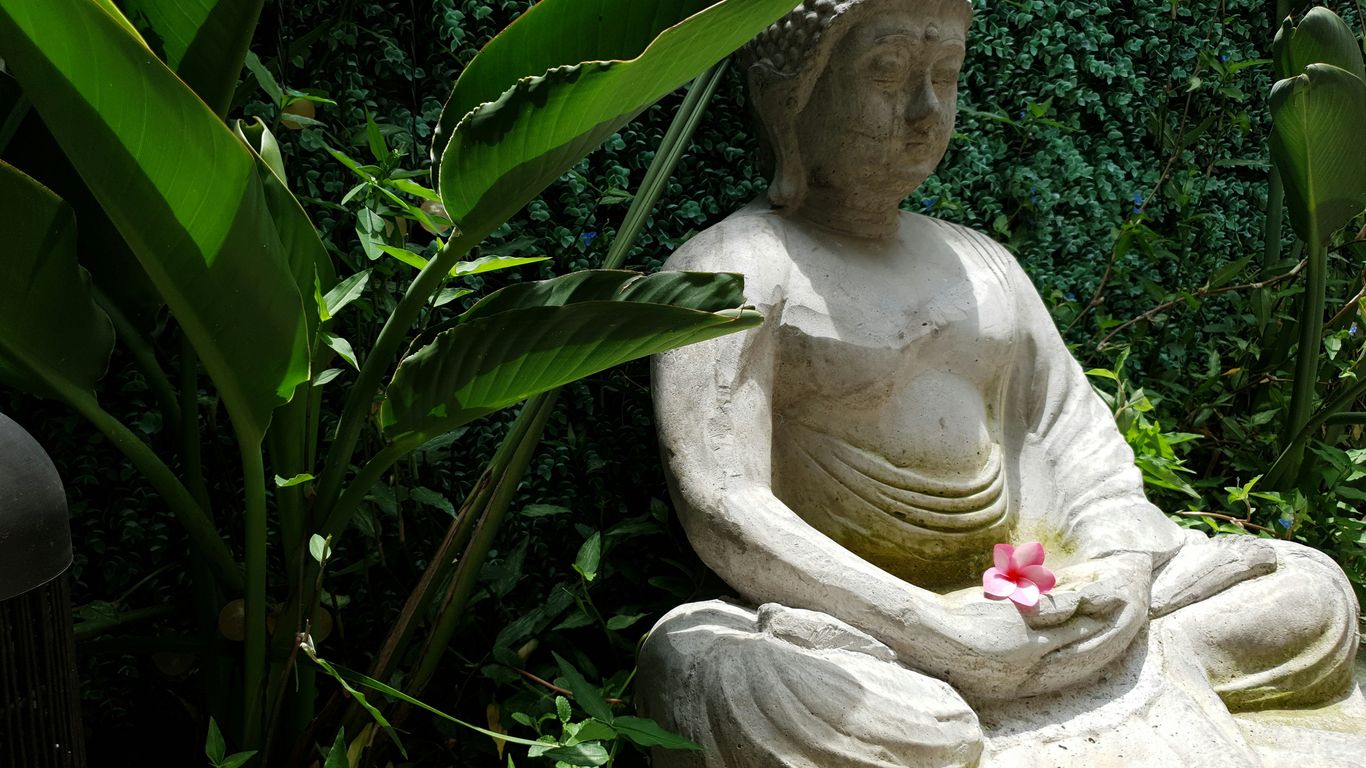
Padmasana, more commonly known as Lotus Pose, is one of those yoga postures you see everywhere. It's often depicted in pictures and even on t-shirts, looking super serene and peaceful. But let me tell you, getting into it is a whole different story.
This pose requires a good amount of hip flexibility, open knee joints, and a strong back. If you're just starting out or don't have the flexibility yet, don't worry about it. It's totally normal if you can't get your feet all the way into place. Yoga is a journey, right? Pushing yourself too hard can lead to injury, so it's always better to listen to your body.
Here are a few things to keep in mind if you're working towards Padmasana:
- Warm-up is key: Make sure your hips and knees are well-prepared. Gentle hip openers like Pigeon Pose or Bound Angle Pose can help.
- Listen to your body: Never force your legs into position. If you feel sharp pain, ease back immediately.
- Use props: Sometimes, a block under your knees or hips can make the pose more accessible and comfortable.
- Focus on your breath: As with all yoga poses, deep, steady breathing helps you relax and deepen the stretch.
While Padmasana looks impressive, its true value lies in the stillness and focus it can bring when practiced safely and mindfully. It's not about achieving the perfect shape, but about the internal experience.
3. Shavasana
Shavasana, also known as Corpse Pose, is the final resting pose in most yoga practices. It’s where you really let go and absorb all the benefits of the work you just did on the mat. Honestly, sometimes this is the hardest pose for me. My brain just wants to keep going, thinking about what I need to do next or replaying conversations. But the point is to just be still.
This pose is all about complete relaxation and surrender.
Here’s a little breakdown of how to get the most out of it:
- Lie flat on your back. Let your legs fall open naturally, and rest your arms a little away from your body, palms facing up.
- Close your eyes gently. Try to soften your jaw, your forehead, and any other facial muscles.
- Focus on your breath, but don't try to change it. Just notice the natural rhythm of your inhale and exhale.
- Let go of any tension you might be holding in your body. Imagine it melting away with each breath.
It might seem simple, just lying there, but Shavasana is where the real integration happens. It's a chance for your body and mind to process the practice and find a state of deep calm. Don't skip it, even if you're short on time. A few minutes here can make a big difference.
4. Virabhadrasana
Virabhadrasana, often known as the Warrior poses, are a set of three powerful standing postures in yoga. They're named after Virabhadra, a fierce warrior form of Lord Shiva. These poses are fantastic for building strength, stability, and confidence.
There are three main variations:
- Virabhadrasana I (Warrior I): This pose involves a deep lunge with the back foot turned out, hips squared forward, and arms reaching overhead. It's great for opening the hips and chest.
- Virabhadrasana II (Warrior II): Here, the front knee is bent over the ankle, the back leg is straight, and the arms are extended out to the sides, parallel to the floor. This one really works the legs and opens the hips wider.
- Virabhadrasana III (Warrior III): This is a balancing pose where you shift your weight onto one leg and extend the other leg straight back, parallel to the floor, while hinging forward at the hips. Your arms can be extended forward, out to the sides, or back along your body. It's a real test of balance and core strength.
Practicing these poses can help you feel more grounded and powerful, both on and off the mat. They are excellent for developing physical stamina and mental focus.
These warrior poses are not just about physical exertion; they also cultivate a sense of inner strength and resilience. By holding these strong stances, you learn to face challenges with a steady gaze and a grounded presence, much like a warrior facing their opponent with calm determination.
It's a good idea to work with a qualified instructor when you're first learning these poses, especially Warrior III, to make sure you're doing them safely and getting the most benefit. They can offer modifications and help you find the right alignment.
5. Downward Dog
Downward Dog, or Adho Mukha Svanasana, is a pose that most people recognize, even if they don't practice yoga regularly. It looks like an upside-down V shape, and it's a fantastic way to stretch your entire body. You start on your hands and knees, then lift your hips up and back, pressing your heels towards the floor. It really gets into your hamstrings, calves, and shoulders.
This pose is great for waking up your body, especially if you do it first thing in the morning. It might feel a bit challenging at first, particularly if you're not super flexible, but stick with it. The key is to focus on lengthening your spine and letting your neck relax. It's surprisingly calming, which is a nice bonus for such an active stretch. It's a foundational pose that builds strength and flexibility.
Here's a quick breakdown of how to get into it:
- Start on your hands and knees, with your wrists under your shoulders and your knees under your hips.
- Tuck your toes and lift your hips up and back, straightening your legs as much as you can.
- Press your palms firmly into the mat, spreading your fingers wide.
- Let your head hang loosely between your arms, and try to bring your heels closer to the floor (don't worry if they don't touch).
It's a pose that really helps with circulation and can even help tone your lower abdomen. Many people find it helps them feel more grounded and centered. If you're looking to improve your overall flexibility, this is definitely one to practice. You can find more details on how to get into this pose and its benefits on yoga websites.
This pose is often used as a transition between other poses in a flow, but it's also powerful enough to stand on its own. Don't be discouraged if your heels don't reach the floor right away; focus on the length in your spine and the stretch in your hamstrings. It's a journey, and every practice brings you closer.
6. Hatha Yoga
Hatha yoga is often seen as the foundation for many other yoga styles, and for good reason. The name itself comes from Sanskrit words meaning "sun" (Ha) and "moon" (Tha), pointing to its core idea: balancing opposing energies within us, like the physical and the mental. It's not about super-fast movements or complicated poses; instead, Hatha focuses on a slower, more deliberate pace.
This style is fantastic for beginners because it introduces fundamental poses and breathing techniques in a way that's easy to follow. You'll typically find a sequence that includes physical postures (asanas), breathing exercises (pranayama), and often a bit of meditation. The goal is to build strength and flexibility gradually while also calming the mind.
Here's what you can generally expect:
- Slower Pace: Poses are held for a few breaths, allowing you to feel the stretch and maintain proper form.
- Focus on Alignment: While not as strict as Iyengar, there's still attention paid to how you position your body.
- Breathing Techniques: Learning to connect your breath with your movement is a big part of Hatha.
- Mind-Body Connection: The practice encourages you to be present and aware of your body's sensations.
Hatha yoga is like learning the alphabet before writing a novel. It gives you the building blocks for a more consistent and mindful practice, helping you feel more grounded and less stressed. It’s a gentle way to start exploring what yoga can do for you, both physically and mentally.
If you're looking for a yoga practice that feels accessible, balanced, and helps you tune into your body without feeling rushed, Hatha yoga is definitely worth exploring. It’s a great way to build a solid base for your yoga journey.
7. Vinyasa Yoga
Vinyasa yoga is all about flow. The word itself means "to place in a special way," and that's exactly what you do – you move from one pose to the next in a really smooth, connected way. It's like a dance, but with your breath as the music.
This style is super popular because it can be adapted for pretty much anyone, from total beginners to seasoned yogis. You get a good workout, but it doesn't feel like a chore because you're constantly moving. It's not just about the physical poses, though. The breath is a huge part of it, guiding each movement. You'll often find that classes start with some breathing exercises and end with a period of quiet reflection or meditation.
Here's what you can expect:
- Flowing Sequences: Poses are linked together, creating a continuous movement.
- Breath Synchronization: Every movement is matched with an inhale or an exhale.
- Variety: Classes can differ a lot, keeping things interesting.
- Mind-Body Connection: While movement is key, the focus on breath helps you stay present.
Vinyasa is a great choice if you're looking for a yoga practice that keeps you moving and feels dynamic. It's less about holding static poses for a long time and more about the journey between them. You'll likely leave feeling energized and a bit worked out, but also centered.
8. Iyengar Yoga
Iyengar Yoga is a style that really hones in on getting your body into the right position for each pose. Developed by B.K.S. Iyengar, the main idea here is precise alignment. It’s not about rushing through a sequence; it’s about making sure every part of your body is exactly where it should be.
This focus on alignment means props are your best friend. You’ll often see chairs, straps, blankets, and blocks used. These aren't crutches; they're tools to help you achieve the correct alignment, especially if you have an injury or aren't super flexible yet. The goal is to make the pose accessible and beneficial for everyone, regardless of their physical condition.
Here’s a look at how Iyengar Yoga approaches practice:
- Precision: Every movement is deliberate and focused on anatomical correctness.
- Props: Used extensively to support and deepen poses.
- Sequencing: Poses are often taught in a specific order to build stability and awareness.
- Breath Control: Used as a tool to refine alignment and deepen the practice.
Even though it sounds very technical, many people find Iyengar Yoga incredibly relaxing. It’s a methodical approach that can be really good for recovery and building a strong, stable foundation in your yoga practice. It’s a style that rewards patience and attention to detail.
9. Kundalini Yoga
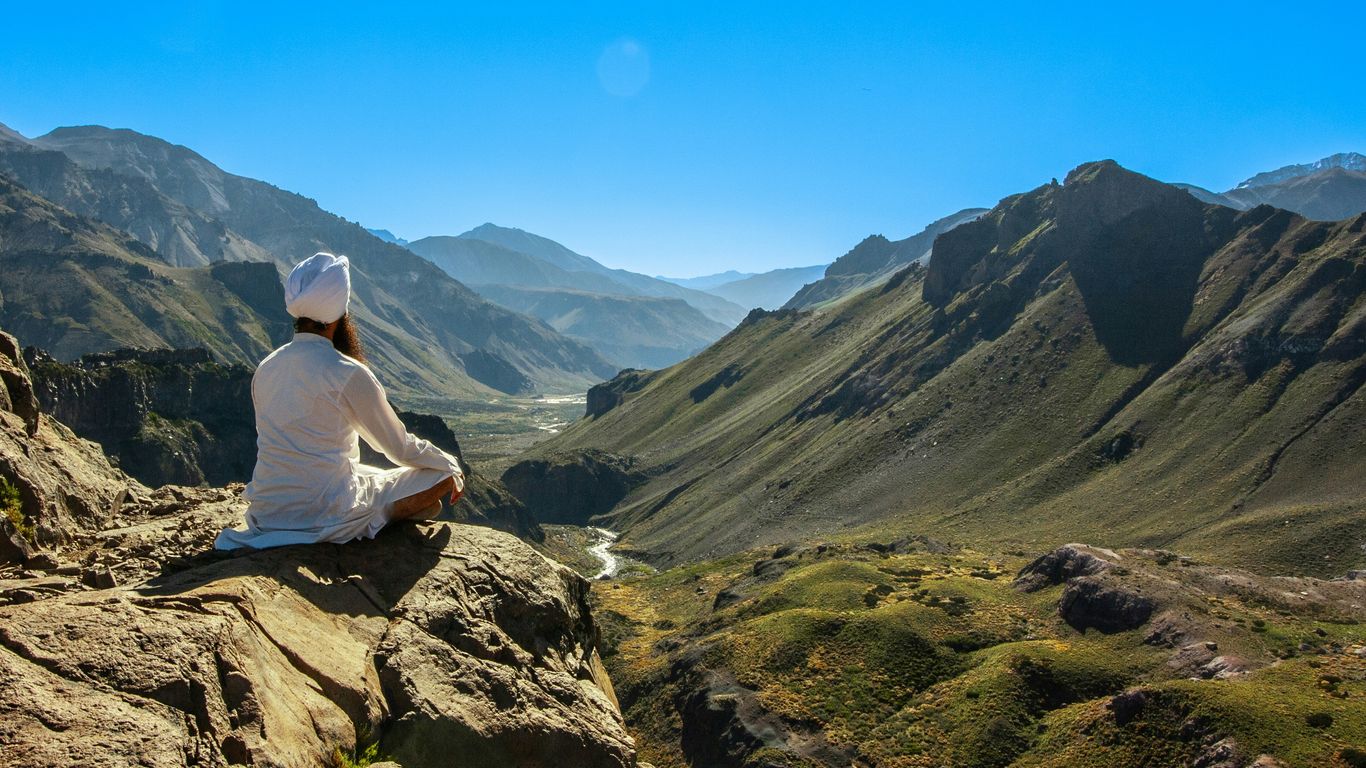
Kundalini Yoga is a bit different from other styles you might have tried. It really focuses on both the spiritual side of things and the physical movements. The main idea is to awaken this energy, called Kundalini, which is thought to be stored in your core. The goal is to get that energy moving, which can help with stress and make you feel more positive and mindful.
Be ready to move and maybe even sweat a bit, because the sequences can be pretty energetic. You'll find quick, lively poses mixed with chanting and specific breathing techniques. It's a great choice if you enjoy a workout that feels dynamic and helps clear your head.
- Focuses on spiritual and physical aspects.
- Aims to release dormant energy from the core.
- Often includes chanting and specific breathing exercises.
- Can be an intense, sweat-inducing practice.
Kundalini sessions often feel like a journey. The combination of movement, breath, and sound works to shift your internal state, leaving you feeling both energized and calm afterward. It's a practice that aims to connect you more deeply with yourself.
10. Bikram Yoga
Bikram Yoga is pretty well-known, mostly because it's often called "hot yoga." The whole idea is to practice in a room that's heated up to 105 degrees Fahrenheit with about 40% humidity. A typical class lasts 90 minutes and involves a set sequence of 26 specific poses, with each pose done twice. You also do two breathing exercises at the start.
The intense heat is a big part of the practice, supposedly helping you sweat out toxins and allowing you to get deeper into the poses. It's said to really help you focus because your blood circulation picks up. If you like a really physical challenge and don't mind sweating buckets, this might be your jam. However, it's not the best choice if you have heart issues or high blood pressure, as the heat can make those conditions worse.
Here's a quick look at what a Bikram class usually involves:
- Sequence: A fixed series of 26 poses.
- Repetition: Each pose is performed twice.
- Duration: Typically 90 minutes.
- Environment: Heated room (105°F) with humidity (40%).
- Breathing: Starts with two specific breathing exercises.
Some people find that practicing in the heat makes their muscles more pliable, allowing for a greater range of motion. It's a very disciplined practice because the sequence never changes, so you know exactly what to expect each time you step onto the mat. It can be quite intense, but many find it rewarding.
While it's a specific style, it's important to remember that the original Bikram sequence is copyrighted. You might find classes labeled "hot yoga" that follow a similar format but aren't officially Bikram.
Finding Your Flow with Yoga Names
So, we've looked at how the names of yoga poses can really add something special to your practice. It's not just about knowing the physical shape, but also understanding the meaning behind it, whether it's connecting to nature, embodying a certain quality like strength or peace, or just remembering the history. Don't feel like you have to memorize every single Sanskrit word right away. The most important thing is to find what feels good for your body and mind. Keep exploring, stay curious about the names and their stories, and enjoy the journey on your mat. Your yoga practice is yours, so make it meaningful in a way that works for you.
Frequently Asked Questions
What does 'asana' mean in yoga?
The word 'asana' comes from an old Indian language called Sanskrit. It basically means 'pose' or 'posture.' In yoga, asanas are the different shapes your body makes to help bring your body and mind into better balance. Think of them as the physical part of your yoga practice.
Why do yoga poses have Sanskrit names?
Many yoga poses have names from Sanskrit, which is an ancient language from India. These names often give clues about the pose. For example, 'Tadasana' means 'Mountain Pose,' which helps you imagine standing strong and steady like a mountain. Learning these names connects you to the history of yoga and helps you understand the meaning behind each move.
Are yoga poses good for beginners?
Absolutely! Beginners can definitely practice yoga safely. It's best to start with simpler poses and always listen to your body. Following instructions from a yoga teacher is also super helpful to make sure you're doing things correctly and safely.
How important is breathing in yoga?
Breathing is a really big deal in yoga! It's like the glue that holds your practice together. Taking deep, steady breaths helps you stay focused, relax your body, and get more out of each pose. It makes the whole yoga experience much better.
What are the main benefits of doing yoga poses?
Doing yoga poses can do wonders for you! Physically, it can make you stronger, more flexible, and improve your balance. Mentally, it's great for reducing stress, making you feel happier, and helping you worry less. It's a fantastic way to feel good all over.
How can I start doing yoga every day?
Making yoga a daily habit is easier than you think! You can start with a short, simple routine at home. Maybe try a few poses that help you relax after a long day. Even setting aside just 10-15 minutes each day can make a big difference in how you feel.

