
Beginner's Guide to Morning Yoga: Simple Poses to Start Your Day
Starting your day with a bit of movement can make a big difference, right? Especially if you're new to yoga. This guide is all about making morning yoga accessible for beginners. We'll look at some simple poses to get you going, how to build a habit that sticks, and even how to put together a short routine. No fancy equipment needed, just a little space and a willingness to try. Think of it as a gentle way to wake up your body and mind before the day's rush begins.
Key Takeaways
- Morning yoga for beginners can help you start the day feeling more energized and focused.
- Establishing a consistent habit, even just for a few minutes, is more important than doing a long session sporadically.
- Simple poses like Mountain Pose and Child's Pose are great starting points for building a morning practice.
- Listen to your body and find a routine that feels good and fits your lifestyle, whether it's 10, 20, or 30 minutes.
- Regular morning yoga can lead to increased flexibility, strength, and a sense of calm throughout your day.
Embrace Your Morning Yoga Practice
Benefits Of A Morning Yoga Routine
Starting your day with yoga can really shift things. It’s not just about stretching; it’s about setting a tone. Think about it: instead of jumping straight into emails or chores, you take a few moments just for yourself. This quiet time can help clear your head and make you feel more centered. It’s a simple way to connect with your body and mind before the day’s demands kick in.
Here are a few good things that happen when you practice yoga in the morning:
- Fresh Start: You begin the day feeling renewed, carrying a sense of calm with you.
- More Productive: A clear mind leads to better focus, helping you tackle tasks more effectively.
- Natural Energy Boost: Gentle movements and breathing wake up your body, giving you energy without needing that extra coffee.
Starting your day with a mindful yoga practice can set the tone for a more connected and energized day ahead. It's about creating a positive moment of pause.
Establishing A Consistent Morning Yoga Habit
Getting into a regular routine can feel tough at first. Many people find that starting small is the best way to go. Instead of aiming for an hour-long session right away, try just ten minutes. After a few weeks, if it feels good, you can gradually increase the time. It’s about finding a rhythm that fits your life, not forcing something that feels like a chore. Consistency is more important than duration when you're just beginning. You can find some great simple yoga poses to invigorate your mornings that are perfect for short sessions.
Finding A Routine That Suits You
Your morning yoga doesn't have to look like anyone else's. Maybe you prefer to practice on an empty stomach, or perhaps a light snack beforehand works better for you. Some days you might want a gentle flow, while other days you might feel like something more energizing. The key is to listen to your body and find what feels good and joyful. It’s your practice, after all. Don't be afraid to experiment until you find what clicks. For those completely new to the practice, exploring yoga for beginners can offer a good starting point for discovering what works best for you.
Gentle Poses To Awaken Your Body
Starting your day with movement can make a big difference in how you feel. These gentle poses are designed to wake up your body without being too strenuous, setting a calm and positive tone for the hours ahead. Think of it as a soft nudge to get your muscles and mind ready for the day.
Mountain Pose For Grounding
Mountain Pose, or Tadasana, is the foundation for many standing poses. It might seem simple, but it's all about finding your center. Stand with your feet hip-width apart, or even closer if that feels more stable. Let your arms hang by your sides, palms facing forward. Really feel your feet on the ground, spreading your toes and pressing down evenly. Engage your leg muscles slightly, lift your chest, and let your shoulders relax down your back. This pose is about standing tall and feeling connected to the earth beneath you. It's a great way to check in with your posture and breath before moving into more dynamic stretches. You can hold this for about 30 seconds to a minute, just breathing and feeling present.
Upward Salute For Energy
From Mountain Pose, we'll move into Upward Salute, or Urdhva Hastasana. It's a simple extension that brings a sense of lift and openness. As you inhale, sweep your arms out to the sides and then up towards the ceiling, bringing your palms to touch or keeping them shoulder-width apart. Keep your gaze soft, perhaps looking slightly upwards if that's comfortable for your neck. Feel the stretch along your sides and the energy rising. This pose is like reaching for the sky, inviting in the morning light and energy. Try to keep your shoulders relaxed away from your ears. Hold this for a few breaths, inhaling as you reach up and exhaling as you gently soften. It’s a wonderful way to open up the chest and lungs.
Child's Pose For Relaxation
Child's Pose, or Balasana, is a resting pose that's perfect for any time, especially when you need a moment of calm. Kneel on your mat with your big toes touching and your knees hip-width apart, or wider if that feels better for your hips. Exhale and fold your torso forward, resting your forehead on the mat. You can extend your arms out in front of you, or bring them back alongside your body with palms facing up. This pose allows you to completely surrender and rest. It's a gentle way to stretch the back and hips, and it's incredibly calming for the nervous system. Don't underestimate the power of simply resting. Stay here for as long as you need, focusing on deep, slow breaths. It’s a good idea to include this pose if you're looking for a short morning routine to invigorate and energize your day.
Here's a quick look at how these poses can help:
| Pose | Primary Benefit |
|---|---|
| Mountain Pose | Grounding, Posture |
| Upward Salute | Energy, Chest Opening |
| Child's Pose | Relaxation, Rest |
Building Strength And Confidence
Moving beyond the gentle stretches, it's time to introduce some poses that really help you feel stronger and more capable. These aren't about pushing yourself to the limit, but about finding a steady power within. Think of them as building blocks for a more confident you, both on and off the mat.
Warrior I For Inner Strength
Warrior I, or Virabhadrasana I, is a fantastic pose for building a sense of grounded power. It really helps to strengthen your legs and open up your hips and chest. When you step into this pose, you're not just moving your body; you're connecting with a feeling of inner resolve. It’s a pose that asks you to stand tall and face forward, embodying a quiet determination.
To get into Warrior I:
- Start standing with your feet together.
- Step your left foot back about three to four feet, keeping your right knee bent directly over your ankle. Your back leg should be straight, with your back foot angled slightly outward.
- Spin your torso to face the front of your mat. Raise your arms overhead, palms facing each other or touching, and gaze forward or slightly upward.
- Focus on keeping your hips as square to the front as possible and breathe deeply.
Warrior II For Stability
Warrior II, or Virabhadrasana II, builds on the strength of Warrior I but shifts the focus to stability and openness. This pose encourages you to spread out, to take up space, and to feel steady in your foundation. It's about finding balance and a strong presence.
Here’s how to do it:
- From Warrior I, open your hips and torso to the side, so your hips are parallel to the side of your mat. Your front knee should still be bent over your ankle, and your back leg remains straight.
- Extend your arms out to the sides, parallel to the floor, with your gaze over your front fingertips.
- Feel the strength in your legs and the openness across your chest.
Extended Side Angle Pose For Expansion
Extended Side Angle Pose, or Utthita Parsvakonasana, is a wonderful pose for stretching the side body and building strength in your legs and core. It’s an expansive pose that helps you feel open and connected. It’s a great way to feel a sense of freedom and reach.
To practice this pose:
- Begin in Warrior II.
- Inhale and reach your front arm forward, then bring your front forearm to rest on your front thigh or bring your front fingertips to the floor inside your front foot.
- Extend your back arm up and over your head, creating a long line from your back heel to your fingertips. You can also bring your back arm to your hip.
- Rotate your chest open towards the ceiling, feeling a stretch along your side body. Explore a wide range of yoga poses suitable for all levels.
These poses, when practiced regularly, can help you feel more grounded and capable. It's not about perfection, but about the feeling of growing strength and self-assurance with each breath.
Warming Up Your Spine And Core
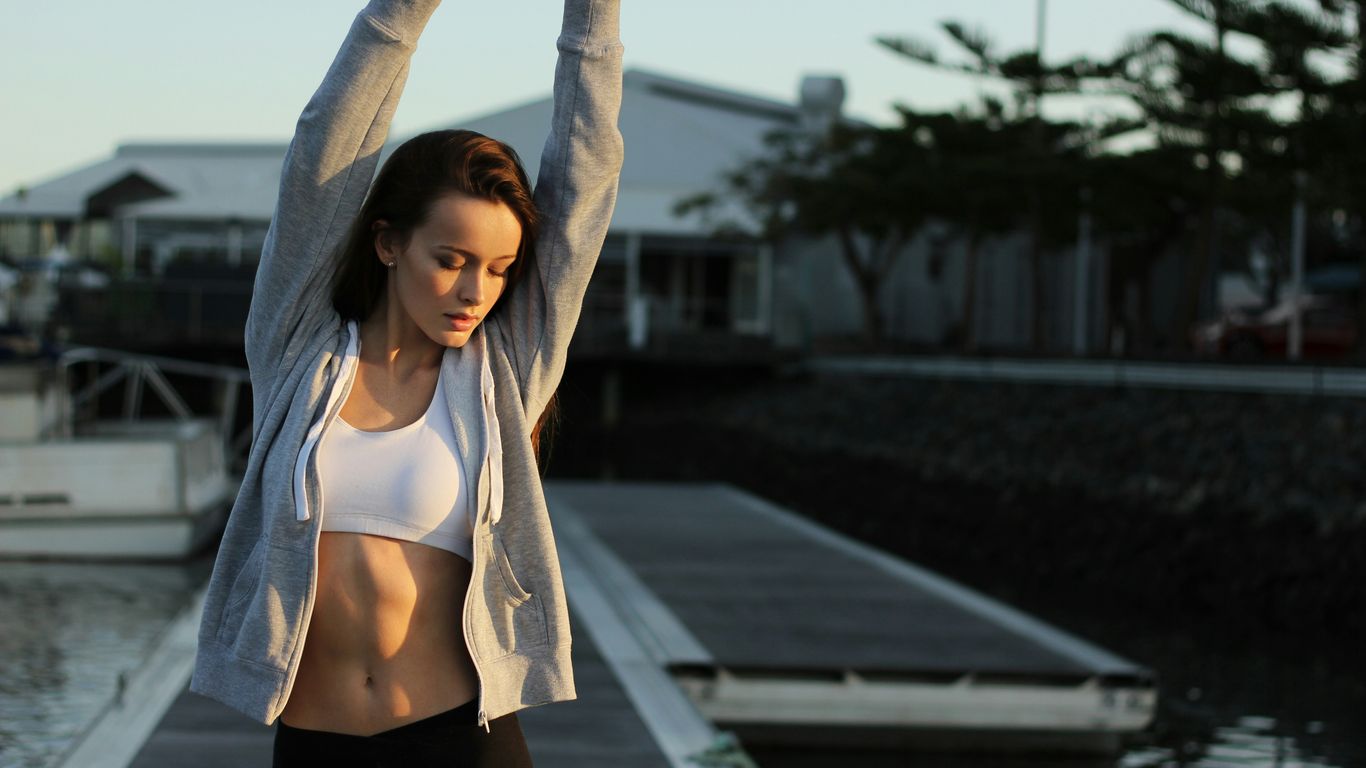
Getting your spine and core ready for the day is super important. It's like waking up those muscles that hold you upright and allow you to move. A stiff spine can make everything feel harder, and a weak core just doesn't support you well. These poses are designed to gently wake everything up, making you feel more mobile and stable.
Cat-Cow Pose For Spinal Flexibility
This is a classic for a reason. You get on your hands and knees, like a tabletop. As you breathe in, you let your belly drop and arch your back, lifting your head and chest – that's the 'cow' part. Then, as you breathe out, you round your spine, tuck your chin, and pull your belly button towards your spine – that's the 'cat'.
- Start on all fours, hands under shoulders, knees under hips.
- Inhale: Drop your belly, lift your chest and gaze up (Cow).
- Exhale: Round your spine, tuck your chin, pull your navel in (Cat).
- Repeat this flow for several breaths, feeling the movement through your entire spine.
It's a really nice way to feel your spine moving in both directions. You can even add some gentle hip or shoulder circles if it feels good.
Baby Cobra For Chest Opening
This one is a gentler version of the full Cobra pose. You lie on your stomach and use your back muscles, not just your arms, to lift your chest a little. It's great for opening up your chest and shoulders, which can get tight from sitting.
Lie on your stomach with your legs extended. Place your hands under your shoulders, elbows tucked in. As you inhale, gently lift your head and chest off the floor, keeping your hips on the ground. Think about lengthening your spine rather than just pushing up. Hold for a few breaths, feeling a stretch across your chest and the front of your body. This pose helps strengthen your back muscles too. It's a good way to start building core strength beyond just abdominal muscles.
Seated Cat-Cow Pose
This is a great modification if getting on your hands and knees isn't comfortable. You can do it sitting in a chair or on the floor. It still gives you that spinal movement.
Sit up tall with a straight spine. You can place your hands on your knees. As you inhale, gently arch your back, lift your chest, and look slightly up. As you exhale, round your spine, tuck your chin to your chest, and draw your belly button in. This seated version is perfect for a quick spine wake-up anytime, even during a break from work. It’s a simple way to get movement into your day and can be part of a 10-minute morning yoga routine if you're short on time.
Cooling Down And Finding Calm
After a good stretch and some strengthening poses, it’s time to bring your practice to a gentle close. This part of your morning yoga is all about winding down, releasing any lingering tension, and setting a peaceful tone for the rest of your day. These final poses help transition your body and mind from activity to stillness.
Seated Forward Fold For Release
This pose, also known as Paschimottanasana, is a wonderful way to stretch the hamstrings and the entire length of your back. It's a calming pose that can help quiet the mind.
- Start by sitting on your mat with your legs extended straight out in front of you.
- Sit up tall, lengthening your spine.
- As you exhale, hinge forward from your hips, keeping your back as straight as possible.
- Reach your hands towards your feet, resting them on your shins, ankles, or feet, whatever feels comfortable.
- Allow your head to relax down. Don't force the stretch; focus on the sensation in your hamstrings and back.
This pose is a great way to signal to your body that it's time to slow down. Focus on your breath and let go of any tension you might be holding in your shoulders or neck.
Butterfly Fold For Hip Opening
Baddha Konasana, or Butterfly Pose, is excellent for opening up the hips and groin area. It's a gentle way to release tension that can build up in the hips from sitting or stress.
- From a seated position, bring the soles of your feet together.
- Let your knees fall out to the sides, like butterfly wings.
- You can hold onto your feet or ankles. Sit up tall.
- If you want a deeper stretch, you can gently hinge forward from your hips, keeping your spine long.
- Use props like blocks or blankets under your knees if you feel any strain.
Waterfall Pose For Rejuvenation
Waterfall Pose, or Viparita Karani, is a restorative pose that involves resting with your legs up the wall. It's incredibly calming and can help reduce fatigue. It's a fantastic way to end your practice, promoting a sense of deep relaxation and rejuvenation.
- Find a clear wall space. Sit with your side against the wall, knees bent, and hips close to the wall.
- Gently lie down on your back, swinging your legs up the wall so they are extended vertically.
- Adjust your position so your hips are as close to the wall as feels comfortable. You can place a cushion or folded blanket under your hips for extra support.
- Let your arms rest by your sides, palms facing up, or place one hand on your belly and the other on your heart.
- Close your eyes and breathe deeply, allowing your body to relax completely. Stay here for at least a few minutes, or as long as feels good. This pose is a great way to clear your mind and prepare for the day ahead.
Structuring Your Morning Yoga For Beginners
So, you've got the poses down, but how do you actually put them together into a morning practice? It's not about doing every single pose you know; it's about creating a flow that works for you. Think of it like building a playlist – you want a mix that feels good and gets you going.
Starting small is key, especially when you're just beginning. Trying to do too much too soon can feel overwhelming, and then you might just skip it altogether. That's totally normal! The goal is consistency, not perfection. Even a few minutes on the mat can make a difference.
Here’s a look at how you can structure your morning yoga, depending on how much time you have:
A Short Ten-Minute Sequence
This is perfect for those super busy mornings or when you're just testing the waters. It's about getting your body moving and your breath flowing.
- Warm-up (2 mins): Start with a few gentle movements like Cat-Cow Pose to wake up your spine. Maybe a few shoulder rolls too.
- Standing Poses (4 mins): Move into Mountain Pose, then Upward Salute. You could add in a Warrior I if you feel up to it.
- Cool-down (4 mins): Finish with Child's Pose for a few breaths, then maybe a gentle seated stretch like Butterfly Fold.
A Balanced Twenty-Minute Flow
This gives you a bit more time to explore the poses and really connect with your breath. You can start to link poses together more smoothly.
- Warm-up (5 mins): Cat-Cow, maybe some gentle twists, and a few rounds of Sun Salutations if you're feeling adventurous. This is a great way to get your blood flowing.
- Standing & Strength (8 mins): Spend more time in poses like Warrior I, Warrior II, and Extended Side Angle. Hold each for a few breaths longer.
- Cool-down & Calm (7 mins): Include poses like Baby Cobra for a gentle chest opener, followed by Seated Forward Fold and Butterfly Fold. End with a minute or two in Child's Pose.
A Comprehensive Thirty-Minute Practice
This is where you can really settle into your practice. You have time for longer holds, more exploration, and a deeper sense of calm before your day begins. You might even find yourself looking forward to this time. It's a good amount of time to prepare you for movement.
- Warm-up (7 mins): A more thorough warm-up, perhaps including some dynamic stretches and a few rounds of Sun Salutations.
- Standing & Strength (12 mins): Explore the Warrior series and other standing poses with longer holds. You can add in poses that build balance and focus.
- Spine & Core (5 mins): Dedicate time to poses that specifically target spinal flexibility and core strength, like Cat-Cow and Baby Cobra.
- Cool-down & Relaxation (6 mins): Wind down with seated poses, hip openers, and a longer period in Child's Pose or Savasana (corpse pose) if you have the time.
Remember, the best structure is the one you'll actually stick with. Don't be afraid to adjust these suggestions to fit your energy levels and schedule. Some days might be a quick 10 minutes, other days you might have time for 30. It's all good.
Wrapping Up Your Morning Flow
So there you have it! Starting your day with a few simple yoga poses doesn't have to be complicated. Even just a few minutes can make a big difference in how you feel. Remember, it's not about being perfect, it's about showing up for yourself. Find what feels good, listen to your body, and enjoy the process. You might be surprised at how much more centered and ready for the day you feel. Keep practicing, and you'll see the benefits add up!
Frequently Asked Questions
What are the main benefits of doing yoga in the morning?
Starting your day with yoga can wake up your body and mind, making you feel more energized and focused. It's a great way to naturally boost your energy levels, reduce stress, and get your body ready for the day ahead. It can also help you feel more grounded and set a positive tone for everything you do.
How long should a beginner's morning yoga routine be?
For beginners, it's best to start small. A 10-minute routine is a great way to build a habit. After a few weeks, you can gradually increase it to 20 or 30 minutes if it feels good for your body and schedule. The most important thing is to be consistent.
Do I need any special equipment for morning yoga?
No, you don't need much! A yoga mat is helpful for comfort and grip, but you can even start on a carpeted floor or a towel. The main focus is on your body and breath, not fancy gear. Some people like to have a pillow or blanket for extra support.
What if I'm not a morning person and find it hard to wake up?
It's totally understandable! Try setting your alarm just 10 minutes earlier. Focus on gentle movements and deep breaths to ease into it. Even a few simple stretches can make a big difference. Think of it as a way to gently greet the day rather than a tough workout.
Can morning yoga help with stiffness or soreness?
Absolutely! Morning yoga is fantastic for loosening up muscles that might feel stiff from sleeping or from activities the day before. Poses can help reduce inflammation and improve flexibility, making you feel more comfortable and ready to move.
What's the best way to make morning yoga a regular habit?
The key is to make it easy and enjoyable. Start with a short routine, maybe just 10 minutes. Try to do it around the same time each day, perhaps right after waking up before checking your phone. Celebrate small wins, like sticking to your practice for a week, to stay motivated.

