

Alo Yoga Mat vs Lululemon: Which Premium Yoga Mat Reigns Supreme?
So, you're eyeing up a new yoga mat and can't decide between Alo Yoga and Lululemon? It's a common dilemma. Both brands are super popular, and let's be honest, they both come with a pretty hefty price tag. But which one is actually worth your hard-earned cash? I've spent a good chunk of time testing these out, and I'm here to break down the alo yoga mat vs lululemon debate to help you figure out which mat will be your new favorite studio buddy.
Key Takeaways
- When it comes to looks, Alo Yoga often leans into trendier designs and colors, while Lululemon sticks to more classic, versatile styles.
- Both mats offer good grip, but Lululemon's 'The Mat' is noted for its reversible nature, providing different traction options depending on moisture.
- Cushioning is decent on both, with Alo Yoga's Warrior Mat offering extra width and length, and Lululemon's mat providing a good balance for various practices.
- Durability is generally strong for both brands, though specific materials and care will influence how long they last; lighter colors on Lululemon's mat can show stains more easily.
- Price-wise, alo yoga mat vs lululemon are pretty comparable, sitting in the premium category, so value often comes down to personal preference for style, feel, and specific performance needs.
Design and Aesthetics: Alo Yoga Mat vs Lululemon
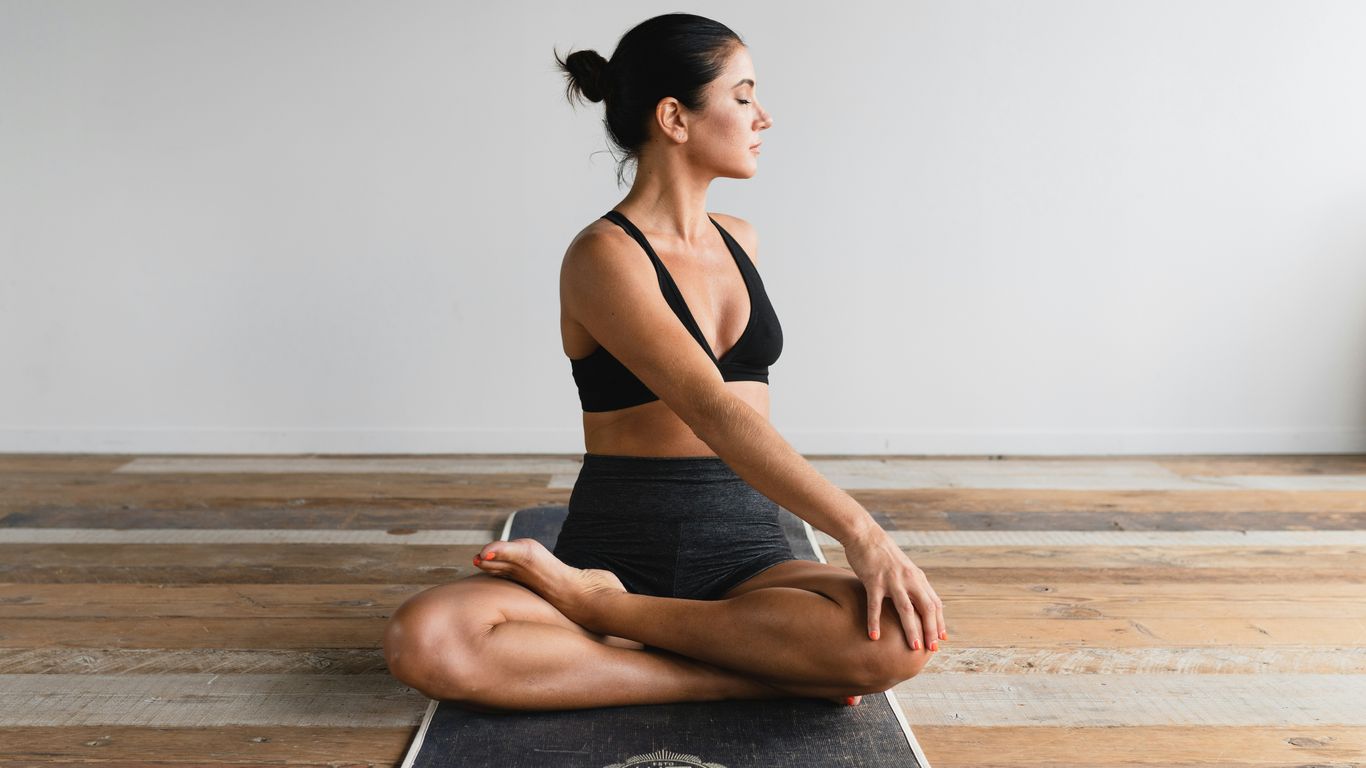
Yoga enthusiasts care about how their mat looks and feels almost as much as how it performs. These mats are more than just workout gear—they're a reflection of your personal style, whether you're at the studio or rolling your mat out at home. Both Alo Yoga and Lululemon make mats that turn heads, but the details in color, texture, and vibe can sway your decision.
Color and Pattern Options
- Alo Yoga offers bold, trendy colors and often releases seasonal hues and limited-edition prints. You'll find everything from crisp neutrals to daring jewel tones.
- Lululemon sticks closer to classic palettes but surprises with the occasional pop of color or new pattern drop. Their mats often come in sleek, understated shades for a minimalist look.
| Brand | Color Range | Notable Patterns | "Wow" Factor |
|---|---|---|---|
| Alo Yoga | Vibrant, modern | Marbled, subtle | Bold appeal |
| Lululemon | Neutral, classic | Minimal patterns | Timeless, chic |
If you love a statement piece or matching your mat to your mood, Alo might tip the scale. For those who don’t want their mat to fight for attention, Lululemon keeps it more subdued.
Texture and Material Feel
- Alo Yoga mats have a smooth, slightly cushioned finish with a bit of grip on top. The texture feels luxurious—a bit like suede, but grippier when you start sweating.
- Lululemon mats are usually reversible, featuring a soft, spongy side and a firmer, sticky side for traction. The dual surfaces let you pick the feel, whether you want that 'sticky' grip for sweaty hot yoga or a smoother base for slow flows.
The Alo Yoga Warrior Mat is known for its soft touch and generous dimensions, making it a favorite for long classes and stretching sessions. If you’re curious about how it feels, there’s plenty to read on its lux look and size in this Alo Yoga Warrior mat review.
Streetwear Appeal
- Alo Yoga is often the go-to brand for the fashion-forward yogi. Their mats show up all over social media because they look as good in your living room as they do under your arm on the way to coffee. It’s a brand that speaks to those who want an Instagram-worthy setup.
- Lululemon, while less flashy, leans into that athletic-luxe vibe. Minimal branding, clean lines, and urban utility make it perfect for yogis who want something that fits in just as well at a boutique studio as it does at the gym.
A shortlist of reasons yogis are drawn to each brand:
- Alo mats are as much an accessory as a prop—think of it as part of your fit.
- Lululemon mats are about form and function, never clashing no matter your outfit or environment.
- Each brand has a community feel, but Alo leans flashier, while Lululemon leans classic.
In the end, choosing between the Alo Yoga Mat and the Lululemon Mat comes down to your personal style and how much you want your mat to express it. Some gravitate to Alo's fashion edge, others prefer the timeless grip and design Lululemon delivers.
Grip and Traction Performance Comparison
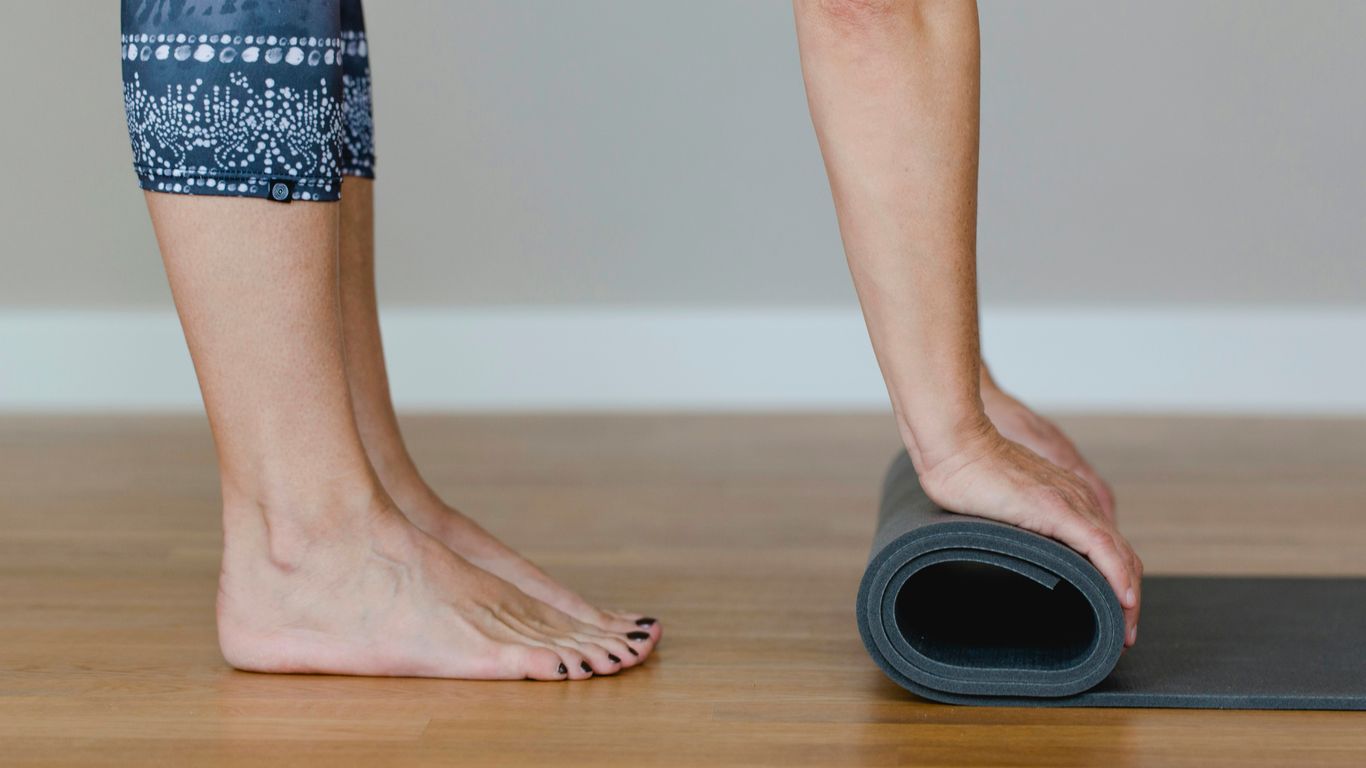
Wet and Dry Grip Analysis
If you’ve ever wiped out in Downward Dog, you know how much grip matters on a yoga mat. Between the Alo Yoga Mat and Lululemon The Mat, both are known for solid traction, but they handle sweat very differently:
| Mat | Dry Grip (1-10) | Wet Grip (1-10) |
|---|---|---|
| Alo Yoga Warrior | 8 | 7 |
| Lululemon The Mat | 9 | 9 |
- Lululemon’s top polyurethane layer absorbs moisture to keep things sticky, even in sweaty, heated classes.
- Alo Warrior has strong grip when dry, but sweat can make it a bit slick, especially compared to the Lululemon.
- Alo’s mat hasn’t solved the “sweaty palm slide” for everyone, so if you drip a lot, it might not be your match.
For those who practice hot yoga often, Lululemon’s mat stands out in both sweat-absorbing and slippery situations—it just feels confident underfoot when things heat up.
Stability in Hot Yoga and Dynamic Flows
Dynamic poses and hot rooms really put grip to the test. Here’s how both mats line up:
- Lululemon The Mat stays flat and sticks to the floor through jumping transitions and fast-paced flows. No shifting or wrinkling.
- Alo Warrior does well in regular vinyasa, but when the pace picks up and sweat gets serious, grip can fade.
- Both mats support balance poses, but some users mention Alo’s grip is sometimes "too grippy" for sliding into transitions, while Lululemon strikes an easier balance.
If you bounce between heated classes and slower flows, you’ll notice less slippage—and more confidence—on the Lululemon mat.
Surface Texture Evaluation
Texture isn’t just about how the mat looks. It affects how steady you feel:
- Alo Warrior features a lightly textured top, which helps in dry conditions but may feel almost sticky or even rough at times for sensitive hands.
- Lululemon’s top is smoother but remains tacky, thanks to its special coating—meaning you can "lock" your hands and feet in place, yet it's soft enough for forearm balances.
- Both mats have a dense, grippy base that helps prevent sliding on the floor—no matter how intense the energy gets.
- Both mats earned high marks for grip in this yoga mat grip review, but Lululemon consistently leads for all-over, all-weather traction.
It’s a tough race, but for folks who sweat a lot or move fast, Lululemon’s mat makes it easier to stay focused on your practice, not your slipping hands.
Cushioning and Comfort Evaluation
When you're deep in a pose, the last thing you want is to feel like you're practicing on a concrete floor. That's where cushioning and comfort come into play, and both Alo Yoga and Lululemon mats have a lot to say on the matter.
Thickness and Joint Protection
Both mats aim to provide a good balance between softness and stability, but they go about it a little differently. The Alo Yoga mat generally offers a solid, supportive cushion that helps protect your joints, especially during longer holds or more intense sequences. It's designed to feel protective without being so squishy that you lose your footing. On the other hand, the Lululemon mat also focuses on joint comfort, often with a slightly denser feel that still manages to absorb impact well. It's a bit of a personal preference here – some yogis like a bit more give, while others prefer a firmer base.
Here's a quick look at how they stack up:
- Alo Yoga Mat: Offers a supportive cushion, good for protecting knees and wrists.
- Lululemon Mat: Provides a dense yet impact-absorbing feel, great for stability.
It's not just about how soft the mat feels initially. The real test is how it holds up over time and during challenging poses. A mat that compresses too much can actually make balancing harder and offer less protection in the long run.
Support for Long Practices
If you're someone who enjoys extended meditation sessions or longer, slower yoga classes, the mat's ability to support you is key. The Alo Yoga mat tends to hold its shape and provide consistent support, meaning your knees and hips won't feel the strain as much even after an hour. Lululemon's mat also holds up well, offering a reliable surface that doesn't break down under prolonged pressure. You'll find that both brands have put thought into making sure their mats are comfortable for extended use, which is a big plus for dedicated practitioners.
Mat Width and Spaciousness
Space on the mat can make a big difference in how freely you move. While both brands offer standard mat sizes, sometimes one feels a bit more generous than the other. The Lululemon mat, for instance, is often noted for its slightly wider dimensions, giving you a bit more room to stretch out or transition between poses without feeling cramped. This extra space can be particularly helpful for taller individuals or those who like to spread out. Alo Yoga mats are typically a standard width, which is perfectly fine for most users, but if you crave that extra bit of real estate, Lululemon might have a slight edge. You can check out reviews of leading yoga mats to see how different brands compare in size and feel.
Durability and Maintenance: Which Lasts Longer?
When you're investing in a premium yoga mat, you want it to stick around, right? Nobody wants to shell out for a mat only to have it fall apart after a few months. Let's talk about how the Alo Yoga mat and the Lululemon mat hold up over time and what you need to do to keep them in good shape.
Resistance to Wear and Tear
Both mats are built to be pretty tough, but they go about it in slightly different ways. The Lululemon mat, often made with a blend of natural rubber and synthetic materials, tends to show some wear patterns over time, especially in high-contact areas like where your hands and feet usually land. Think of it like a favorite pair of jeans – it gets a bit of character. However, many users report getting several years of regular practice out of their Lululemon mat before noticing significant grip loss or breakdown. The Alo Yoga mat, on the other hand, is often praised for its resilience. Some sources suggest it feels a bit more robust from the get-go, with a construction that resists the kind of "track lines" that can appear on rubber mats. It's designed to stay put and feel solid, even with consistent use.
Cleaning and Stain Issues
Keeping your mat clean is key to its longevity and your practice hygiene. The Lululemon mat can be a bit of a magnet for dirt and hair, and while it's generally wipeable, deeper stains might be a concern for some. You'll want to be mindful of what you're placing on it and clean it regularly. Alo mats, depending on the specific model, can also attract dust. Generally, a simple wipe-down with a yoga mat cleaner or a mild soap and water solution is recommended for both. Avoid harsh chemicals, as they can degrade the mat's material over time. It's also worth noting that some mats, especially those with open-cell construction, might absorb sweat more readily, requiring more attention to prevent odors.
Expected Lifespan
This is where things get interesting. For the Lululemon mat, users often report a lifespan of around 5-6 years with consistent, daily practice, with grip being the first thing to fade. The Alo Yoga mat is often perceived as having a similar or even slightly longer lifespan, with its construction aiming for sustained performance. It really comes down to how you treat it. If you're diligent about cleaning and storing your mat properly – keeping it out of direct sunlight when not in use, for example – you're likely to get more mileage out of either option. Think of it as a long-term relationship; the more care you give, the longer it lasts. For those seeking ultimate longevity, mats made from materials like PVC, while less eco-friendly, are known to last for decades, though they come with their own set of trade-offs.
Taking good care of your mat means more than just wiping it down. Proper storage, avoiding excessive moisture, and being mindful of sharp objects or abrasive surfaces will all contribute to its overall lifespan. A little bit of consistent effort goes a long way in preserving your mat's performance and appearance.
Eco-Friendliness and Materials
When it comes to yoga mats, more people are asking about what goes into them and how they’re made. There’s a lot to unpack with Alo Yoga and Lululemon, since both brands focus on style and performance, but their eco choices stand out, too.
Sustainability of Materials
Both Alo Yoga and Lululemon have put effort into using better materials:
- Alo Yoga mats mainly use sustainably harvested natural rubber mixed with a polyurethane top layer for their Warrior Mat.
- Lululemon’s mats often combine natural rubber with synthetic materials like polyurethane for grip and structure.
- Neither brand uses PVC in their main premium mats, which is a big win, since PVC mats are tough on the planet and rarely recyclable.
Here's a quick breakdown of their main yoga mat materials:
| Mat Brand | Key Materials | PVC-Free | Renewable resources |
|---|---|---|---|
| Alo Yoga | Natural rubber, Polyurethane | Yes | Mostly |
| Lululemon | Natural rubber, Polyurethane, Latex | Yes | Mostly |
Pretty decent, especially since both use natural rubber—a step up from standard gym mats chock-full of plastic. But synthetic additions for feel and grip are still common.
Biodegradable and Non-Toxic Properties
Alo Yoga typically promotes their mats as biodegradable, thanks to the natural rubber content. Lululemon’s also rank well here, but some models contain latex, which means they’re not ideal for everyone (and not strictly non-toxic for those with sensitivities).
- Natural rubber breaks down way faster than synthetic alternatives.
- Mats free from PVC, phthalates, and other harsh chemicals avoid releasing toxins during use and after disposal.
- Some glues or dyes, especially brighter ones, might not be as eco-friendly, so stick with plainer colors if this bugs you.
Impact on the Environment
It’s not just about what’s in the mat, but what happens over time:
- Sourcing rubber sustainably does help rainforest health, but there’s still an energy cost when mats combine rubber with plastics.
- Alo Yoga makes a point about avoiding Amazon-harvested rubber and tries to vet suppliers, like some of the most eco-friendly yoga mats.
- Lululemon’s mats generally hold up for years (5-6 is not unusual), so even if there’s a synthetic layer, you won’t need to toss yours in the trash annually.
If you practice regularly and want to reduce your personal carbon footprint, buying a mat built to last a long time is usually greener than picking one with a fancy recycling claim that wears out in six months.
Bottom line: Both Alo Yoga and Lululemon check off several eco boxes, but neither are perfect. They’re a good pick for anyone wanting a healthier yoga setup without a ton of plastic or nasty chemicals in their gear.
Price and Overall Value For Money
When you're looking at premium yoga mats like those from Alo Yoga and Lululemon, the price tag is definitely a big consideration. Both brands sit at the higher end of the market, so you're investing in quality, but there are some nuances to how they stack up.
Cost Comparison
Generally, you'll find that Alo Yoga and Lululemon mats are pretty close in price, often within a $10 to $20 range of each other. For example, the Lululemon 'The Mat' might be around $98, while an Alo Yoga mat like the Warrior Mat could be closer to $100 or a bit more, depending on the specific model and thickness. It's not a huge difference, but it's there. You can find a wide range of yoga mats out there, with many costing over $100, especially if you need something specific for hot yoga or intense classes that demand extra grip. Yoga mats can be expensive.
Warranty and Brand Guarantees
Neither Alo Yoga nor Lululemon typically offers a lengthy warranty on their yoga mats in the way you might see with some other products. They usually stand by their quality, but it's more about the expectation of durability from a premium product rather than a formal guarantee against wear and tear. It's always a good idea to check the specific return policy of the retailer you're buying from, just in case.
Long-Term Investment Value
So, which one is the better bang for your buck over time? Both mats are designed to last, but the perceived value can depend on your priorities. If you're drawn to Alo Yoga's fashion-forward look and feel, and it holds up well for your practice, that's great value for you. On the other hand, Lululemon often emphasizes performance and durability, which might translate to better long-term value if your practice is very demanding. While Alo Yoga's higher prices often reflect its fashion-forward designs, Lululemon's prices are justified by its technical innovations and performance features. Lululemon provides more opportunities for discounts and sales through special promotions, which can swing the value proposition if you're a savvy shopper.
When you're spending this much on a yoga mat, you're not just buying a piece of equipment; you're investing in your practice. Think about how long you want it to last and how much you're willing to spend to get the performance and feel you need. A mat that lasts five years is a much better deal than one that needs replacing every year, even if the initial cost was higher.
Here's a quick look at how they generally compare:
| Feature | Alo Yoga Mat (Approx.) | Lululemon Mat (Approx.) |
|---|---|---|
| Price Range | $100 - $128 | $98 - $128 |
| Material Focus | Premium feel, style | Performance, grip |
| Durability Expect. | High | High |
| Sales/Discounts | Less frequent | More opportunities |
Who Each Mat Is Best For: Alo Yoga Mat vs Lululemon
Choosing between the Alo Yoga Mat and the Lululemon mat really depends on who you are and what your practice or routine looks like. Let's break it down by different types of yoga enthusiasts and lifestyle factors.
Beginners vs Advanced Practitioners
Lululemon mats tend to be more forgiving for beginners because of their balance between grip and cushion. They're not too sticky but offer plenty of support, which feels reassuring if you're just learning new poses. On the other hand, Alo Yoga mats can be a bit heavier and offer a firm, grounded feel that advanced yogis might prefer for stability during challenging poses or inversions.
| Level | Alo Yoga Mat | Lululemon Mat |
|---|---|---|
| Beginner | May feel dense or heavy | Cushioned, balanced support |
| Intermediate | Stability for more dynamic flows | Good mix of stick and softness |
| Advanced | Firm grip for tricky transitions | Stays sticky but never too harsh |
Preferred Yoga Styles
- For hot yoga or really sweaty practices, both mats hold up well, but the reversible Lululemon mat with its moisture-absorbing top is often recommended.
- Vinyasa and dynamic flows benefit from the sturdy, grounding feel of the Alo mat.
- Gentle, yin, or restorative classes might feel nicer on Lululemon's thicker base, especially for those with sensitive joints.
If you're interested in more detailed comparisons of the best mats for hot sessions, check out this selection of top hot yoga mats.
Lifestyle and Aesthetic Preferences
Alo Yoga and Lululemon each carry a vibe that goes beyond the studio:
- Alo’s mats fit right in with their fashion-forward, street-ready look. The colors and branding are made for anyone who wants their yoga mat to double as an accessory.
- Lululemon offers a more minimalist, athletic style with muted colors. You can walk into pretty much any class or gym and blend in—or stick to timeless shades.
- If you need a mat that transitions easily from workout to, say, a walk home or brunch, Alo’s modern designs might win you over.
The best mat for you really comes down to how and where you plan to use it—your experience level, favorite yoga style, and whether aesthetic or performance matters more in your routine.
Quick Takeaways
- Beginners: Lululemon is often more approachable.
- Hot Yoga Lovers: Lululemon’s reversible mat stands out for sweaty sessions.
- Trendsetters and Style Fans: Alo Yoga appeals for looks and branding.
- Serious Yogis and Fitness Buffs: Alo’s firm grip and density can support advanced practices.
Choosing between these two? Think about where you spend most of your time practicing, your pain points or highlights during class, and how much you care about style off the mat. Each one has its strengths—it’s about which fits into your life best.
Conclusion
Alright, so after spending a lot of time with both the Alo Yoga Warrior Mat and Lululemon The Mat, here’s where I land. Both mats are definitely on the pricey side, but you’re paying for quality and a bit of brand flair. If you want a mat that feels roomy and looks a little more stylish, the Alo Warrior Mat is a solid pick—especially if you like having extra space to stretch out. It’s got good grip and feels sturdy, though it’s a bit thinner than some might like. On the other hand, Lululemon’s The Mat is a real workhorse. It’s super grippy, comfy on the joints, and works well for all kinds of yoga, sweaty or not. The only downside is it can get stained pretty easily, especially if you go for a lighter color. At the end of the day, it really comes down to what you value more: style and space, or grip and versatility. You can’t go wrong with either, but knowing what matters most to you will make the choice a lot easier.
Frequently Asked Questions
Which yoga mat is better for hot yoga: Alo Yoga or Lululemon?
Lululemon The Mat is usually better for hot yoga because it has a grippy top layer that gets stickier when wet. Alo Yoga mats also provide good grip, but Lululemon's surface is made to handle sweat and keep you from slipping during intense, sweaty sessions.
Are Alo Yoga mats and Lululemon mats easy to clean?
Both mats can be cleaned with a gentle wipe-down using a damp cloth and mild soap. However, light-colored Alo Yoga mats stain more easily and may need deeper cleaning. Lululemon mats can absorb sweat and oils, so regular cleaning is important to prevent stains and smells.
Do these mats provide enough cushion for people with sensitive joints?
Yes, both Alo Yoga and Lululemon mats offer good cushioning. Alo Yoga mats are slightly thinner but wider and longer, giving more space. Lululemon mats are thicker and have a soft, springy cushion that protects your knees and wrists during longer practices.
How long do Alo Yoga and Lululemon mats usually last?
With proper care, both mats can last several years. Lululemon mats often last over five years, but may show stains over time. Alo Yoga mats are durable too, but lighter colors might show wear faster. Keeping them clean and storing them properly helps them last longer.
Are Alo Yoga and Lululemon mats eco-friendly?
Both brands use eco-friendly materials, but in different ways. Lululemon uses natural rubber and tries to limit toxins in their mats. Alo Yoga also uses non-toxic and biodegradable materials. If being green is important to you, both are good choices, but you may want to check each mat's specific details.
Is the price difference between Alo Yoga and Lululemon mats worth it?
Both mats are expensive and fall into a similar price range. The extra money pays for quality, comfort, and durability. If you like trendy looks and more space, Alo Yoga is a good pick. If you want classic style and great grip for sweaty practices, Lululemon is a strong choice. Either way, you're getting a premium mat.


