

Achieve Profound Mental Peace with These Simple Yoga Practices
Life can get pretty hectic, right? Between work, errands, and just trying to keep up, it's easy to feel overwhelmed. Sometimes it feels like our minds are just running a million miles a minute. But what if there was a way to find some calm in the middle of all that? That's where yoga for mental peace comes in. It's not about complicated poses or being super flexible; it's about simple practices that can help you feel more grounded and peaceful, even when things are crazy.
Key Takeaways
- Focus on your breath through practices like Pranayama, the 4-7-8 technique, and alternate nostril breathing to calm your mind and body.
- Gentle yoga movements and poses like Child's Pose and Cat-Cow can help release physical tension and emotional stress.
- Meditation and practices like Yoga Nidra help quiet the mind, promote stillness, and bring a sense of deep relaxation.
- Using positive affirmations during your yoga practice can shift your mindset towards tranquility and well-being.
- Holding poses longer in Yin Yoga or practicing poses like Legs-Up-The-Wall and Savasana can lead to deep relaxation and mental clarity.
Cultivating Calm Through Mindful Breathing
Our breath is a constant companion, a gentle rhythm that can guide us toward a more peaceful state. When life feels chaotic, turning our attention inward to the simple act of breathing can be incredibly grounding. It’s not about forcing anything, but rather about noticing and allowing.
The Power of Pranayama for Inner Peace
Pranayama, the yogic practice of breath control, is more than just taking deep breaths. It's about consciously directing your breath to influence your mind and body. By learning to regulate your breath, you gain a powerful tool to manage stress and cultivate a sense of inner quiet. Think of it as tuning an instrument; when the breath is steady and even, so is the mind.
Mastering The 4-7-8 Breathing Technique
This technique is wonderfully simple yet surprisingly effective for calming the nervous system. Here’s how to do it:
- Exhale completely through your mouth, making a "whoosh" sound.
- Close your mouth and inhale quietly through your nose to a mental count of four.
- Hold your breath for a count of seven.
- Exhale completely through your mouth, making another "whoosh" sound, to a count of eight.
Repeat this cycle for about four breaths. It’s a great way to signal to your body that it's time to relax, especially before sleep or when feeling overwhelmed. You can find more on deep breathing techniques.
Balancing Mind and Body with Alternate Nostril Breathing
Also known as Nadi Shodhana, this practice is fantastic for creating equilibrium. It's believed to balance the left and right hemispheres of the brain, leading to greater mental clarity and emotional stability.
To try it:
- Sit comfortably with your spine straight.
- Use your right thumb to close your right nostril. Inhale slowly through your left nostril.
- Close your left nostril with your ring finger, release your thumb, and exhale through your right nostril.
- Inhale through your right nostril, then close it with your thumb. Release your ring finger and exhale through your left nostril.
This completes one round. Continue for several minutes. This practice, along with other daily yoga and breathwork, can significantly shift your state of mind.
Focusing on your breath is a direct pathway to the present moment. It's always available, a constant anchor in the ebb and flow of life. By simply paying attention to the sensation of air entering and leaving your body, you begin to quiet the mental chatter that often keeps us from experiencing peace.
Gentle Movement for Emotional Release
Life can feel like a constant rush, can't it? Between work, family, and just trying to keep up, it's easy for stress to build up. This tension doesn't just stay in our heads; it settles into our bodies, often in places we don't even realize. Gentle yoga movement is a fantastic way to start letting some of that go. It’s not about pushing yourself or achieving some perfect pose; it’s about moving with kindness and paying attention to what your body is telling you.
Flowing Through Poses to Unwind Tension
Think of a gentle yoga flow as a slow dance with your body. You're not trying to win any awards, just to feel a little better. Moving through simple sequences can help loosen up muscles that have been tight for ages. This kind of movement helps to release stored emotions [827b]. It's like gently coaxing out the knots that life has tied.
Here’s a simple sequence to get you started:
- Warm-up: Start by gently rolling your shoulders forward and backward a few times. Then, slowly circle your neck, being careful not to strain.
- Spinal Movement: Move into Cat-Cow. On an inhale, drop your belly and lift your gaze (Cow). On an exhale, round your spine and tuck your chin (Cat). Repeat this 5-10 times, linking your breath to the movement.
- Hip Release: Come to a tabletop position and gently sway your hips from side to side.
This mindful movement helps to quiet the nervous system and bring a sense of calm. It's a way to connect with yourself on a deeper level, allowing you to process and release what you're holding onto.
Finding Stillness in Child's Pose
Child's Pose, or Balasana, is like a gentle hug for your body. It’s a resting pose that can bring a lot of comfort when you’re feeling overwhelmed or just need a moment to yourself. When you settle into Child's Pose, your forehead can rest on the mat, your knees can be together or slightly apart, and your arms can stretch out in front or rest alongside your body. This pose offers a quiet space to just be. It’s a chance to let go of the need to do and simply allow yourself to rest. It’s especially good for releasing tension in the lower back and hips, areas where we often store stress.
When you find yourself caught in a whirlwind of thoughts or emotions, returning to a simple, grounding pose like Child's Pose can be incredibly helpful. It’s a reminder that even in the midst of chaos, there’s always a place of inner quietude you can access.
Harmonizing Body and Mind with Cat-Cow Stretch
The Cat-Cow stretch is a dynamic movement that really helps to wake up the spine and connect your breath with your body. It’s a simple yet effective way to release tension in the back and shoulders. As you move between the two poses, you’re creating a gentle rhythm that can be very soothing. This practice helps to improve flexibility in the spine and can also help to relieve mild back pain. It’s a great way to start any yoga session or to use as a mid-day reset. The coordination of breath and movement in Cat-Cow helps to bring a sense of balance between your physical body and your mental state, promoting a feeling of overall well-being [5183].
Here’s a quick look at the benefits:
- Spinal Mobility: Increases flexibility and range of motion in the spine.
- Stress Relief: The rhythmic movement and breath synchronization calm the nervous system.
- Body Awareness: Helps you tune into the sensations within your body.
- Digestive Aid: Gentle abdominal compression can support digestion.
Deepening Serenity with Meditation Practices
Meditation is a really effective way to find that quiet space inside yourself. It's not about emptying your mind completely, which is pretty much impossible for most of us. Instead, it's about learning to observe your thoughts without getting caught up in them. Think of it like watching clouds drift by – you see them, but you don't try to grab onto them.
Achieving Mental Stillness Through Observation
This practice is all about paying attention to what's happening right now, both inside and outside of you. You can start by just noticing your breath. Feel the air coming in, feel it going out. Don't try to change it, just notice it. When your mind wanders off, which it will, gently bring your attention back to your breath. It takes practice, but over time, you'll find your mind becoming less jumpy.
Here's a simple way to approach it:
- Focus on your breath: Notice the sensation of air entering and leaving your nostrils or the rise and fall of your chest.
- Acknowledge thoughts: When a thought pops up, just label it (e.g., "planning," "worrying," "remembering") and let it go.
- Return to the present: Gently guide your attention back to your breath or bodily sensations.
- Be patient: Some days will feel easier than others. That's perfectly normal.
The goal isn't to stop thinking, but to change your relationship with your thoughts. You become the observer, not the participant in every mental drama.
The Tranquil Practice of Yoga Nidra
Yoga Nidra, often called "yogic sleep," is a guided meditation that can bring about a really deep state of relaxation. You lie down comfortably, usually on your back, and follow the voice of a guide. It takes you through different stages, helping your body and mind to completely let go. It's amazing for reducing stress and can even help you sleep better. Many people find it incredibly restorative. You can find guided sessions online, like this 50-minute Yoga Nidra session that's designed for deep rest.
Finding Peace with Mantra Repetition
Mantras are words or sounds that you repeat, either out loud or silently, to help focus your mind. They can be simple words like "peace" or "calm," or a phrase that holds personal meaning for you. Repeating a mantra can help quiet the mental chatter and bring a sense of stillness. It's a way to anchor your attention when your mind starts to drift. This practice can be done on its own or incorporated into your yoga poses. It's a simple yet powerful tool for cultivating inner peace, and many find it helps them feel more centered throughout their day. Regular meditation, in general, can lead to a more tranquil internal state [8a5c].
Harnessing Positivity for Inner Tranquility
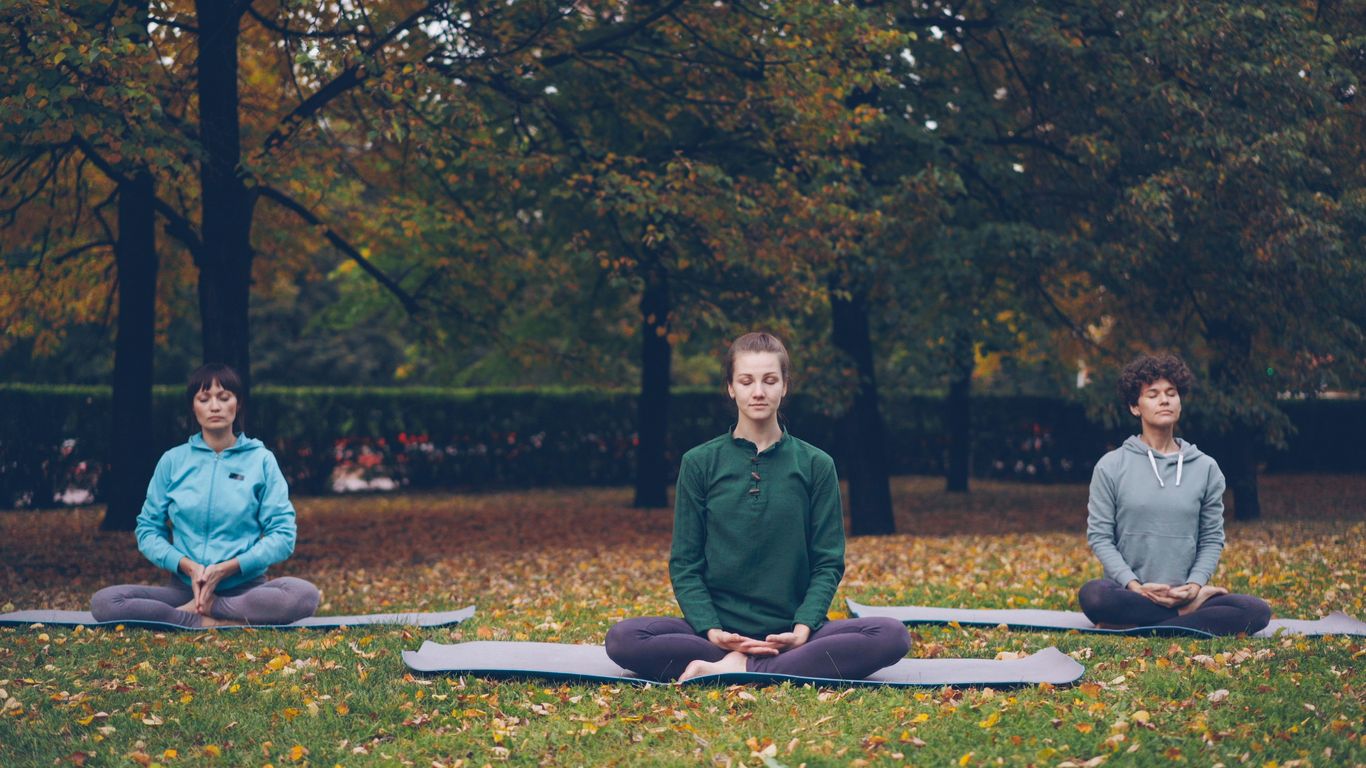
Using Affirmations to Shift Your Mindset
Sometimes, the biggest hurdles to peace aren't external, but internal. Our own thoughts can create a lot of noise, making it hard to feel calm. This is where affirmations come in. They're like little mental tools to help redirect your focus. Think of them as positive statements you repeat to yourself, either during your yoga practice or anytime you need a mental reset. Repeating phrases like 'I am at peace' or 'I release what no longer serves me' can start to change how you feel. It's not magic, but over time, it can really help shift your perspective away from worries and towards a more settled state. It’s about gently guiding your mind to a more hopeful place.
The Impact of Positive Self-Talk During Practice
What you say to yourself matters, especially when you're trying to find calm on the yoga mat. If you're constantly criticizing yourself for not holding a pose perfectly or for your mind wandering, you're just adding to the stress. Instead, try to be kinder. Notice when your inner critic pipes up and gently replace those thoughts with more supportive ones. This kind of positive self-talk isn't about pretending everything is perfect; it's about acknowledging your effort and progress. It helps create a more welcoming space for relaxation and makes your yoga practice for stress relief feel more accessible and enjoyable. It’s about building yourself up, not tearing yourself down.
Here’s a simple way to think about it:
- Acknowledge the thought: Notice when a negative thought arises.
- Gently reframe it: Replace it with a kinder, more encouraging statement.
- Focus on your breath: Use your breath as an anchor to return to the present.
- Be patient: This takes practice, so don't get discouraged if it's not perfect right away.
Cultivating a positive inner dialogue is a practice in itself. It requires patience and a willingness to be gentle with yourself, especially when you're learning new things or facing challenges. Think of it as nurturing a garden; consistent, gentle care yields the best results over time.
Embracing Stillness with Yin Yoga
Yin yoga is a bit different from the more active styles you might be used to. Instead of flowing quickly from one pose to another, Yin asks you to slow down, way down. We hold poses for longer periods, sometimes up to five minutes or more. This isn't about pushing yourself; it's about gently encouraging your body to release deep tension, especially in the connective tissues like ligaments and fascia. This practice is a quiet invitation to just be.
The Meditative State of Extended Holds
Holding poses for an extended time might sound challenging, but it's where the magic happens. As your body settles into the posture, the initial sensations often soften. This is your cue to observe what's happening internally without judgment. It's a chance to notice your breath, any physical sensations, and the thoughts that drift through your mind. This sustained stillness cultivates a deeply meditative state, allowing you to step away from the constant busyness of daily life.
Deep Relaxation for the Body and Mind
The prolonged holds in Yin yoga target deeper layers of the body, promoting a profound sense of relaxation. When you're not constantly moving, your nervous system has a chance to switch from 'fight or flight' to 'rest and digest.' This shift is incredibly beneficial for reducing stress and anxiety. It's a way to give your body and mind a much-needed break, allowing them to reset and recover. You might find that after a Yin session, you feel both physically looser and mentally clearer.
Cultivating Introspection Through Yin Practice
Because Yin yoga encourages stillness and quiet observation, it naturally leads to introspection. When you're not distracted by movement or external stimuli, you have more space to connect with your inner self. This practice can help you become more aware of your habitual thought patterns and emotional responses. It's a gentle way to explore your inner landscape and gain a better understanding of yourself. This quiet time can be incredibly restorative, helping you to find a sense of inner peace and balance that extends beyond the mat. If you're looking for a way to unwind and reconnect, exploring Yin Yoga might be just what you need.
Connecting with Nature for Grounding
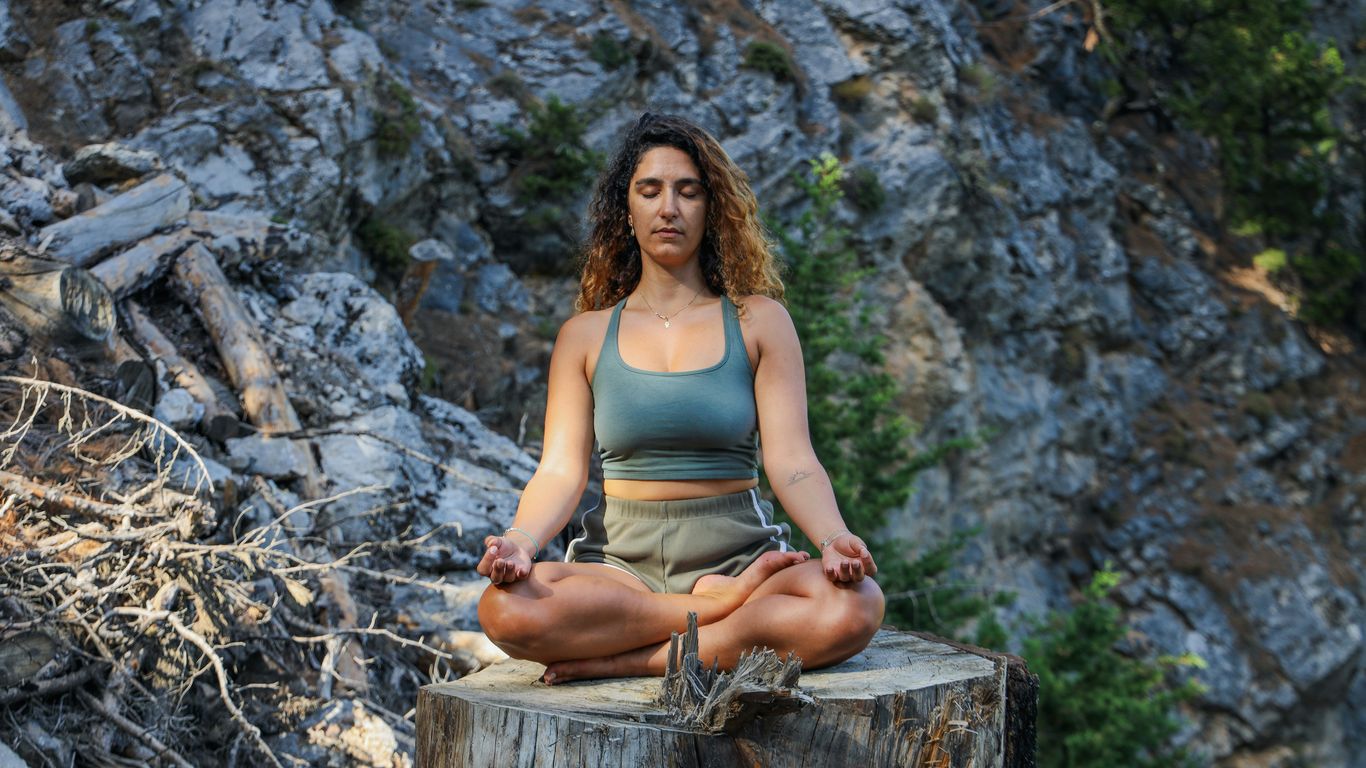
Sometimes, the best way to find peace is to step outside. Connecting with the natural world can really help you feel more centered and calm. It's like the earth itself has a way of absorbing your worries and giving you a sense of stability. Think about it – when you're surrounded by trees or listening to the ocean, your own problems can seem a little smaller, right?
The Grounding Influence of Outdoor Yoga
Practicing yoga outside, whether it's in a park, by the water, or even just in your backyard, adds a whole new dimension to your practice. The fresh air can make breathing feel easier, and the natural sounds can be incredibly soothing. Feeling the ground beneath you, literally and figuratively, can be a powerful way to anchor yourself. It's a chance to move your body while also taking in the sights, sounds, and smells of nature. This kind of practice can help you feel more present and less caught up in your head. It's a simple yet effective way to deepen your connection with yourself.
Visualizing Natural Landscapes for Peace
Even if you can't get outside, you can still bring nature's calm to you. During your yoga or meditation, try visualizing a peaceful natural setting. Imagine yourself sitting by a quiet lake, walking through a sun-dappled forest, or feeling the warmth of the sun on your skin. Focus on the details: the colors, the textures, the sounds. This mental escape can transport you to a place of tranquility, helping to quiet a busy mind and bring a sense of ease.
Finding Harmony with the Earth
There's a certain rhythm to nature that can be very healing. The changing seasons, the ebb and flow of the tides, the growth of plants – it all reminds us that things are constantly moving and evolving. By practicing yoga with an awareness of this natural harmony, you can start to feel more in sync with yourself and the world around you. It's about recognizing that you're a part of something larger, and that connection can be incredibly peaceful. Consider these elements when you practice:
- The feeling of the earth: Whether you're barefoot on grass or feeling the stability of a mat, acknowledge the support beneath you.
- The breath of fresh air: Notice how breathing outdoors feels different and more invigorating.
- The sounds of nature: Listen to birds, wind, or water, and let them guide your relaxation.
- The light of the sun or moon: Feel its warmth or gentle glow, connecting you to natural cycles.
Embracing the outdoors or visualizing natural scenes during your yoga practice offers a direct pathway to feeling more grounded. It's a reminder that we are connected to the earth, and this connection can be a source of immense peace and stability when we allow ourselves to feel it.
Transformative Poses for Mental Clarity
Sometimes, the best way to clear your head is to get your body moving in a way that feels good and helps you tune in. Certain yoga poses are particularly good at helping you shed mental clutter and find a sense of calm focus. They're not about pushing yourself to the limit, but rather about creating space for your thoughts to settle.
The Restorative Power of Legs-Up-The-Wall Pose
This pose, also known as Viparita Karani, is like a gentle hug for your nervous system. You simply lie on your back and extend your legs up a wall. It's incredibly simple, but the effects can be profound. It helps slow down your breathing and encourages your body's natural rest response. It’s a fantastic way to unwind after a long day and let go of accumulated stress. You can stay here for several minutes, just breathing and allowing yourself to be supported.
Finding Ease in Sukhasana for Quieting Thoughts
Sukhasana, or Easy Pose, is a basic seated position that many of us might overlook. But when practiced with intention, it becomes a powerful tool for mental quietude. Sitting cross-legged on the floor, with your hands resting on your knees, you create a stable base. From here, the focus shifts to your breath. By paying attention to each inhale and exhale, you give your mind something simple to focus on, gently guiding it away from racing thoughts. It’s about creating a little pocket of stillness right where you are.
Surrendering to Stillness in Savasana
Savasana, or Corpse Pose, is often the final pose in a yoga practice, and for good reason. It's where you integrate everything you've done. Lying flat on your back, with your arms and legs relaxed, the goal is complete surrender. This means letting go of any effort, any thought, any tension. It's a practice in simply being, allowing your body and mind to rest deeply. It might feel strange at first to do
Finding Your Calm
So, there you have it. We've looked at a few simple ways yoga can help you find a bit more peace in your day-to-day life. It’s not about becoming a pretzel or chanting for hours, unless that’s your thing. It’s really about taking small moments to just breathe, move your body gently, and quiet down that busy mind. Remember, this isn't a race. Just pick one or two things that felt right and try them out. Even a few minutes here and there can make a difference. Keep practicing, be patient with yourself, and you'll start to notice that sense of calm showing up more and more.
Frequently Asked Questions
What is yoga and how can it help me feel peaceful?
Yoga is a way of moving your body and focusing on your breath. It helps you calm down your mind and feel less stressed. By doing yoga, you can learn to let go of worries and find a quiet space inside yourself. It's like giving your mind a nice, relaxing break.
Do I need to be flexible to do yoga for peace?
Not at all! Yoga is for everyone, no matter how flexible you are. The goal isn't to be able to do fancy poses, but to feel good in your body and calm in your mind. Gentle movements and focusing on your breath are what really matter for finding peace.
How often should I practice yoga to feel more peaceful?
Even a little bit of yoga can make a big difference. Try to practice for 10-15 minutes a few times a week. Doing it regularly, like every day even for a short time, helps build up that peaceful feeling over time. Consistency is more important than long sessions.
What if my mind is too busy to focus during yoga?
That's super common! Your mind will wander, and that's okay. Just notice when your thoughts drift away, and gently bring your focus back to your breath or the feeling of your body. Think of it like gently guiding a puppy back to its mat – no need to get upset, just guide it back.
Can I do yoga at home, or do I need a studio?
You can absolutely do yoga at home! All you need is a little space to move around and maybe a mat. There are tons of free videos online that guide you through simple practices perfect for beginners looking for peace. Your own quiet room can be your peaceful yoga studio.
What's the best time of day to practice yoga for peace?
The best time is whenever you can fit it in and feel most relaxed. Some people like to start their day with yoga to set a calm tone, while others prefer to unwind with it in the evening before bed. Listen to your body and choose a time that feels right for you.


