
A Comprehensive History of Yoga Timeline: From Ancient Origins to Modern Practice
Ever wondered how yoga, this practice of stretching and breathing, became so popular? It's got a long story, stretching back way further than most people think. We're talking thousands of years, from ancient India to your local studio today. This whole history of yoga timeline thing can seem a bit much, but it really helps to see how it all came together. Let's take a peek at how yoga got from there to here.
Key Takeaways
- Yoga's roots are ancient, likely starting in the Indus Valley region around 5,000 years ago.
- Early yoga was more about meditation and spiritual connection than physical poses.
- Key texts like the Upanishads and the Bhagavad Gita shaped yoga's philosophical side.
- Patanjali's Yoga Sutras provided a structured system, outlining the eight limbs of yoga.
- Yoga has continuously evolved, adapting into various styles and spreading globally for holistic wellness.
Ancient Origins Of Yoga
Pre-Vedic and Vedic Eras
Yoga, as we understand it today, didn't just pop up out of nowhere. Its roots stretch way back, long before written records were common. We're talking about a time when people were figuring out how to live more intentionally, using simple methods to connect with themselves and the world around them. Think of early ascetics in India, using basic self-discipline, breath awareness, and quiet contemplation to seek a deeper sense of peace or understanding. It wasn't about fancy poses yet, but more about inner focus.
Then came the Vedic period, roughly between 1500 and 500 BCE. This era gave us the Vedas, some of the oldest spiritual texts we have. While they don't lay out a step-by-step yoga guide, they talk a lot about rituals, chanting sacred sounds (mantras), and meditation. These elements were all about connecting with something bigger, a spiritual energy, and finding a sense of unity. It's like they were laying the groundwork, the philosophical soil, for what yoga would eventually grow into.
Indus Valley Civilization Discoveries
One of the most exciting parts of yoga's early history comes from archaeological finds. Back in the 1920s, explorers uncovered ruins from the Indus Valley Civilization, a culture that was huge, covering areas that are now parts of India and Pakistan. What they found were seals, little carved stones, showing figures in what look a lot like yoga postures. Some even appear to be meditating. This was a big deal because it suggested that practices similar to yoga were happening over 5,000 years ago, long before the Vedic texts were even written. It’s pretty wild to think that people thousands of years ago were doing something that looks so familiar to us now.
Early Spiritual Concepts
At its core, the earliest forms of yoga were deeply tied to spiritual seeking. People weren't just doing it to get flexible or relieve stress, though those might have been side effects. The main goal was often self-realization, understanding oneself on a profound level, and achieving a sense of oneness with the universe or a higher power. It was about discipline, yes, but a discipline aimed at inner transformation. This focus on the mind-body connection, on using physical and mental techniques to achieve spiritual insight, is something that has carried through yoga's entire history.
The journey of yoga began not in a gym, but in the quiet contemplation of ancient seekers, using breath and posture as tools for self-discovery and spiritual connection.
The Philosophical Foundations
As yoga moved beyond its earliest roots, thinkers started to really dig into the 'why' behind the practices. It wasn't just about physical stuff anymore; it was about understanding ourselves and our place in the universe. This period saw some really big ideas take shape, ideas that still guide people today.
Upanishadic Teachings
Around 800 to 400 BCE, a bunch of texts called the Upanishads came out. These writings really shifted the focus inward. They started talking about the 'self' – not just the everyday you, but a deeper, true self. The idea was that this inner self is connected to everything, to a universal consciousness. Yoga, in this view, became a way to realize this connection, to understand that you're part of something much bigger. It was less about rituals and more about deep thought and meditation to find this truth within.
The Upanishads introduced the concept of "Brahman" (the ultimate reality) and "Atman" (the individual soul), suggesting they are one and the same. This non-dualistic view became a cornerstone of much of Indian philosophy and yoga.
The Bhagavad Gita's Influence
Then came the Bhagavad Gita, a really famous part of the epic Mahabharata, probably written between the 2nd century BCE and 2nd century CE. This text is like a conversation between Prince Arjuna and his charioteer, Lord Krishna, who is actually a divine being. It lays out different paths to spiritual growth, making yoga more accessible. It talks about:
- Karma Yoga: Doing your duty without worrying too much about the results. Just act with good intention.
- Bhakti Yoga: Devotion and love towards a higher power. It's about surrendering and connecting through faith.
- Jnana Yoga: The path of knowledge and wisdom. It involves study and contemplation to understand the true nature of reality.
The Gita showed that you didn't have to be a hermit to practice yoga; you could do it right in the middle of everyday life.
Patanjali's Yoga Sutras
Around the 2nd century CE, a sage named Patanjali put together the Yoga Sutras. This is a super important text because it organized yoga into a clear system. He defined yoga as "the cessation of the fluctuations of the mind." His work is famous for outlining the Eight Limbs of Yoga, which are like steps to follow:
- Yama: Ethical principles for how we interact with others (like non-violence, truthfulness).
- Niyama: Personal observances and disciplines (like purity, contentment).
- Asana: Physical postures. While not the main focus, they were seen as a way to prepare the body for meditation.
- Pranayama: Breath control techniques.
- Pratyahara: Withdrawing the senses from external distractions.
- Dharana: Concentration on a single point.
- Dhyana: Meditation, a sustained flow of concentration.
- Samadhi: A state of deep meditative absorption or enlightenment.
Patanjali's Sutras provided a roadmap, making the philosophical ideas of yoga more practical and structured for seekers.
Evolution Through Movements
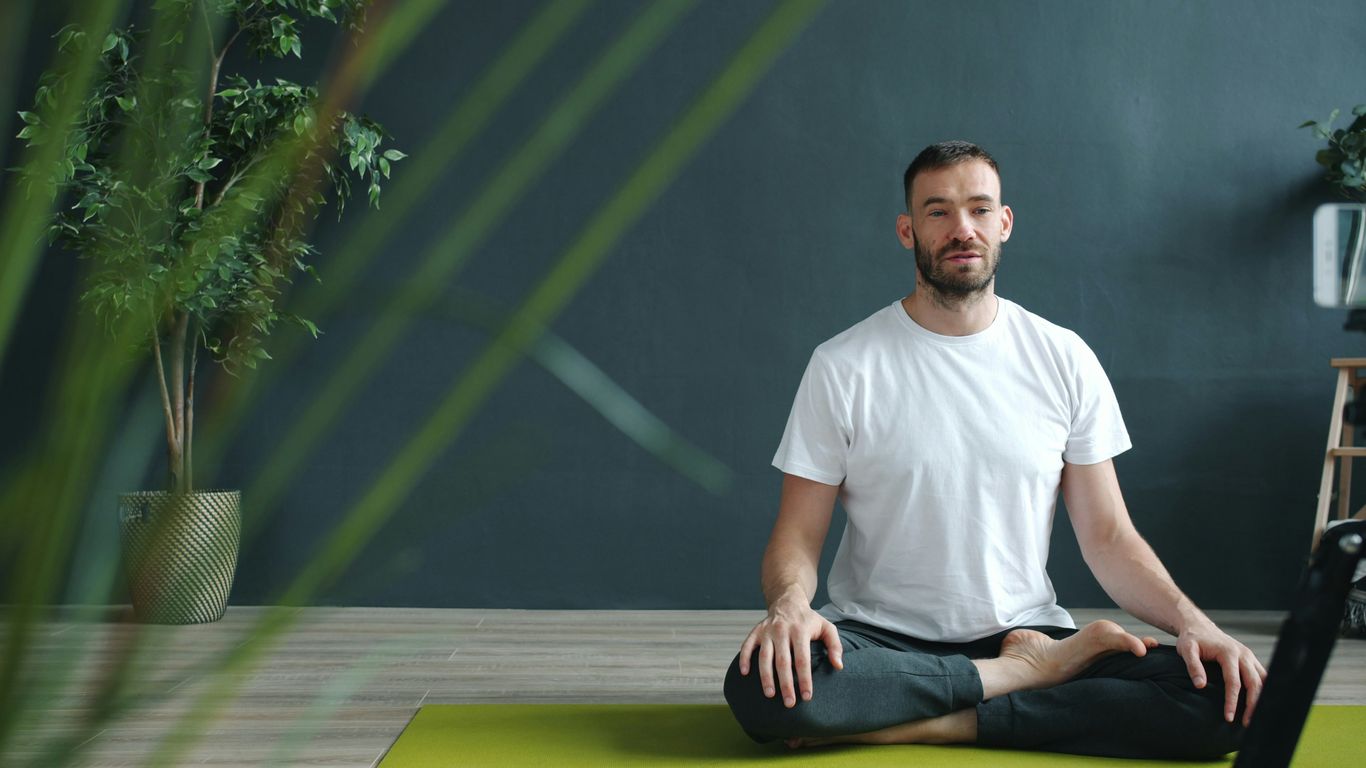
Yoga didn't just stay as a quiet meditation practice. Over time, it started to move and change, incorporating different ways of expressing devotion and working with the body's energy. This period saw yoga branching out, becoming more accessible and varied.
Bhakti Yoga's Devotion
This form of yoga really emphasizes the heart. Instead of just focusing on the mind or the body, Bhakti Yoga is all about love and devotion towards a higher power or a chosen deity. It's about surrendering and finding a deep connection through heartfelt prayer, chanting, and singing. Think of it as a way to connect with the divine through pure, unadulterated emotion. It's less about strict rules and more about an open, loving heart.
Tantric Practices and Energy
Tantra brought a whole new dimension to yoga, focusing on the body's hidden energies. It's not just about physical poses; it's about understanding and working with subtle energies within us, often referred to as kundalini. This involved practices like specific breathing techniques, chanting mantras, and sometimes rituals, all aimed at awakening this inner power. The goal was to transform the physical body into a vessel for spiritual growth. It was a more intricate and sometimes misunderstood path, but it deeply influenced how yoga explored the body's potential.
The Rise of Hatha Yoga
As other forms of yoga focused more on the spiritual or energetic aspects, Hatha Yoga emerged as a way to prepare the body for deeper meditation. It's the style most people recognize today, with its focus on physical postures (asanas) and breath control (pranayama). Early Hatha Yoga masters saw the body not just as something to be discarded, but as a temple that could be purified and strengthened. They developed a system of practices to rejuvenate the body, making it more resilient and capable of holding intense spiritual energy. This laid the groundwork for the physical yoga we see practiced all over the world now.
Classical and Post-Classical Yoga
So, after all that foundational stuff, things really started to get interesting with what we call Classical and Post-Classical Yoga. This period, roughly from around 200 BCE to maybe 1700 CE, saw yoga really solidify into the structured practices we recognize today, but also branch out in some pretty cool ways.
Patanjali's Eight Limbs
This is where Sage Patanjali comes in, and honestly, his Yoga Sutras are a big deal. He basically laid out a systematic path for yoga, which he called Ashtanga Yoga, or the Eight Limbs. It's not just about doing poses; it's a whole lifestyle guide.
Here's a quick rundown of those limbs:
- Yama: These are ethical guidelines for how we interact with others and the world around us. Think non-violence, truthfulness, and not stealing.
- Niyama: These are personal observances, like cleanliness, contentment, and self-study.
- Asana: Yep, this is the physical posture part we all know. But back then, it was more about finding a stable, comfortable seat for meditation.
- Pranayama: This is all about breath control. Learning to manage your breath is seen as a way to manage your energy.
- Pratyahara: This is about withdrawing your senses from external distractions. It's like turning your attention inward.
- Dharana: This is concentration, focusing your mind on a single point.
- Dhyana: This is meditation, a sustained state of concentration.
- Samadhi: The final goal, often described as a state of deep meditative consciousness or union.
Expansion of Yogic Philosophy
While Patanjali gave us a framework, later thinkers and traditions really expanded on it. The Bhagavad Gita, for instance, talked a lot about different paths like Karma Yoga (the yoga of action), Bhakti Yoga (the yoga of devotion), and Jnana Yoga (the yoga of knowledge). This showed that yoga wasn't just one thing; it could be approached in many ways depending on your nature.
During this time, there was a growing idea that the mind and body were deeply connected, and controlling both was key to finding inner peace. It wasn't just about spiritual enlightenment anymore; it was also about practical ways to live a more balanced life.
Development of Schools and Styles
As yoga spread, different groups started focusing on different aspects. The Natha yogis, for example, became really important in popularizing Hatha Yoga. They focused a lot on physical practices, breathing, and even some more intense techniques, often with the goal of purifying the body to prepare it for deeper spiritual work. This is where many of the physical postures we practice today really started to take shape and become more prominent. It was a time of real growth and diversification, setting the stage for everything that came after.
Yoga's Global Journey
Spread Beyond India
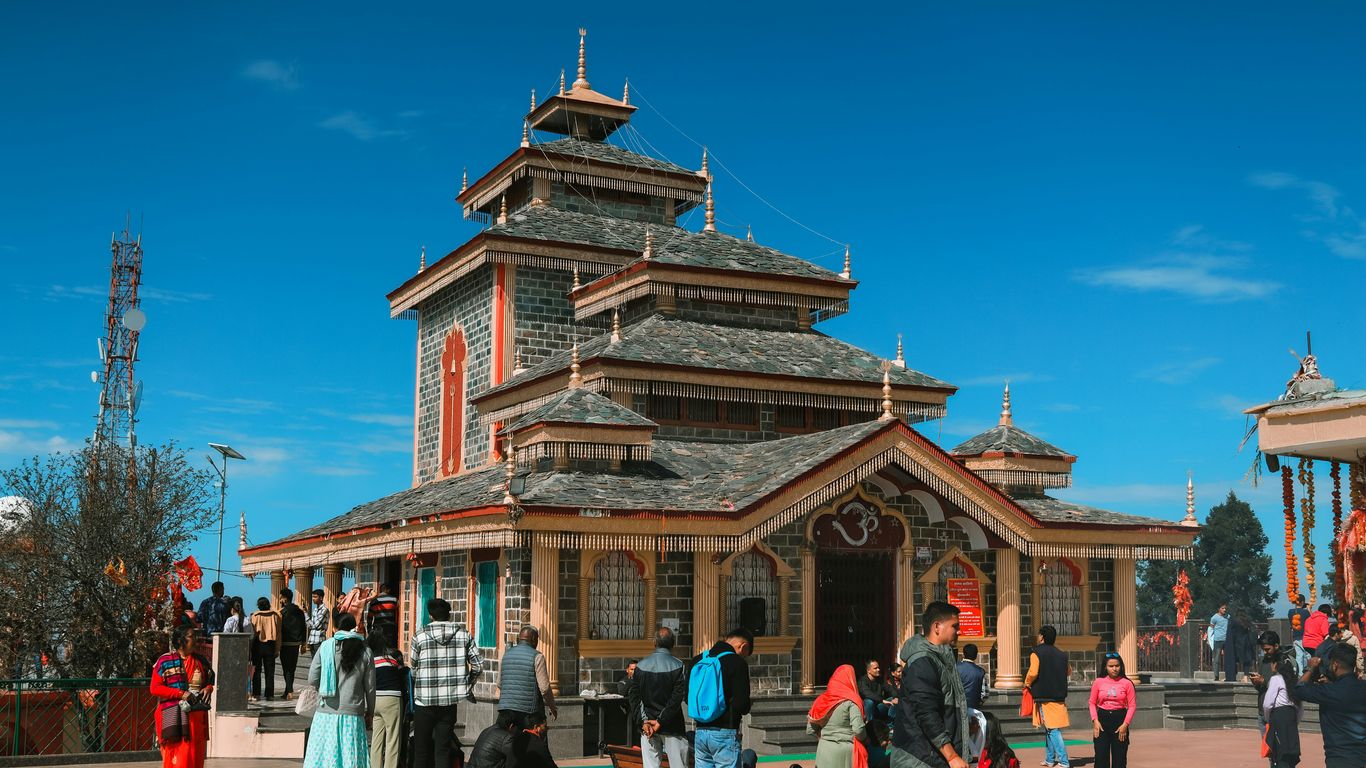
Yoga's journey from a spiritual practice in ancient India to a worldwide phenomenon is pretty wild when you think about it. For ages, it was mostly kept within India, passed down from teacher to student in a pretty traditional way. But then, things started to shift. Figures like Swami Vivekananda, who spoke at a big conference in Chicago back in 1893, really opened the door for Westerners to see yoga not just as some foreign religion, but as a path to well-being. Later on, people like Paramahansa Yogananda and Sri T. Krishnamacharya, often called the 'father of modern yoga,' played huge roles in bringing different styles and philosophies to a global audience. It wasn't just about the poses; it was about a whole way of living and finding peace.
Modern Interpretations and Styles
As yoga traveled, it naturally started to change and adapt. It wasn't just a one-size-fits-all thing anymore. Teachers began developing their own approaches, leading to the many styles we see today. Think about Ashtanga, with its set sequences, or Iyengar, which really focuses on getting the alignment just right, often using props. Then there's Vinyasa, where the movement flows from one pose to the next, kind of like a dance. These different styles mean there's pretty much a type of yoga out there for everyone, whether you're looking for a serious workout or a more gentle way to connect with yourself.
Here's a quick look at some popular styles:
- Ashtanga Yoga: Known for its vigorous, flowing sequences and set series of poses.
- Iyengar Yoga: Emphasizes precise alignment and often uses props like blocks and straps.
- Vinyasa Yoga: Characterized by smooth transitions between poses, synchronized with the breath.
- Bikram Yoga: A specific sequence of 26 poses and two breathing exercises performed in a heated room.
Yoga for Holistic Wellness
Today, yoga is way more than just a physical exercise. It's become a big part of how people look after their overall health – mind, body, and spirit. In our busy, often stressful lives, yoga offers a way to slow down, manage anxiety, and find a sense of calm. It's not uncommon to see yoga studios popping up everywhere, offering classes that focus on everything from stress relief and better sleep to improving flexibility and strength. The United Nations even declared June 21st as International Day of Yoga, which really shows how much the world has embraced this ancient practice for modern well-being.
The global spread of yoga shows its incredible ability to connect with people across different cultures and backgrounds. It's a practice that has evolved over thousands of years, yet its core message of balance and self-awareness remains as relevant as ever.
The Journey Continues
So, we've traced yoga from its ancient roots in the Indus Valley all the way to the mats in studios today. It's pretty wild to think about how much it's changed, yet how much it's stayed the same. The core idea of connecting mind, body, and spirit? That's still the heart of it all. Whether you're doing a super intense Vinyasa flow or just taking a moment to breathe, you're tapping into something thousands of years old. It’s a practice that keeps evolving, and honestly, that’s part of its magic. It shows us that even ancient wisdom can find new ways to fit into our modern lives, helping us find a little more peace and balance in the everyday hustle.
Frequently Asked Questions
When did yoga first start?
Yoga's story begins a very long time ago, possibly around 5,000 years back, in the area known as the Indus Valley. Think of ancient India and Pakistan! It's not like someone just invented it one day; it grew and changed over many, many years.
Where did yoga come from?
Yoga started in the Indus Valley, which is now part of India and Pakistan. Ancient people there left behind clues, like pictures on seals, that show them doing poses similar to yoga today. So, India is really the birthplace of yoga.
What were the first yoga teachings like?
In the very beginning, yoga was more about focusing the mind through meditation and controlling your breath. It was about connecting with yourself and perhaps something bigger. While there were some physical movements, the main goal was inner peace and spiritual growth, not just exercise.
Are the Bhagavad Gita and Yoga Sutras important to yoga history?
Absolutely! The Bhagavad Gita is like an ancient storybook that talks about doing your best, being devoted, and acting without expecting rewards. Patanjali's Yoga Sutras are a set of rules or guidelines that explain different steps for practicing yoga, like being kind, controlling your breath, and meditating.
How did yoga change over time?
Yoga has changed a lot! After the early spiritual teachings, different ways of practicing yoga appeared. Some focused on devotion (Bhakti Yoga), others on energy within the body (Tantric Yoga), and later, Hatha Yoga became popular, which is more about the physical poses we often see today.
Is yoga still the same as it was thousands of years ago?
Not exactly! While the core idea of connecting mind, body, and spirit is still there, yoga has become super popular worldwide. Many new styles have popped up, and people use it for fitness, stress relief, and overall well-being, not just for deep spiritual journeys.

