

A comprehensive guide to using Manduka mat cleaner
Key Takeaways
Keeping your yoga mat clean is essential for maintaining both your equipment and your personal focus during practice. Here are the five most important things to remember when using maintenance products:
- Regular sanitation prevents the buildup of bacteria and sweat-related residue.
- Always choose a formula that matches your specific mat material requirements.
- Proper drying is just as important as the cleaning application itself.
- Harsh chemicals can degrade the surface of high-performance yoga gear.
- Establishing a routine schedule helps you extend the lifespan of your mat.
Understanding Manduka mat cleaner formulation
Ingredients and formulation benefits
Understanding what goes into your manduka mat cleaner helps you appreciate the care put into maintaining your gear. These formulas often prioritize natural ingredients, utilizing aromatic essential oils that provide a refreshing scent without relying on synthetic additives. The formulation is intentionally designed to be gentle, ensuring that it effectively removes surface grime while remaining safe for both the practitioner and the environment.
Why it is safe for Manduka mats
Maintaining the integrity of your surface is crucial for long-term performance. Because these cleaners are specifically produced by the manufacturer, they are calibrated to interact safely with proprietary materials, preventing the degrading effects that some household solvents might have. Using an approved yoga mat wash ensures your equipment stays in top condition without compromising the grip or texture you rely on.
Scent variations and sensory experience
Beyond its functional benefits, the spray transforms your environment with a subtle herbal aroma. Choosing between refreshing options like lavender or lemongrass turns a routine wipe-down into a calming, sensory ritual. This balance of cleanliness and atmosphere is a core part of the Saucha principle, which encourages respect for your physical practice space.
Proper application techniques for daily yoga sessions
Spraying the surface effectively
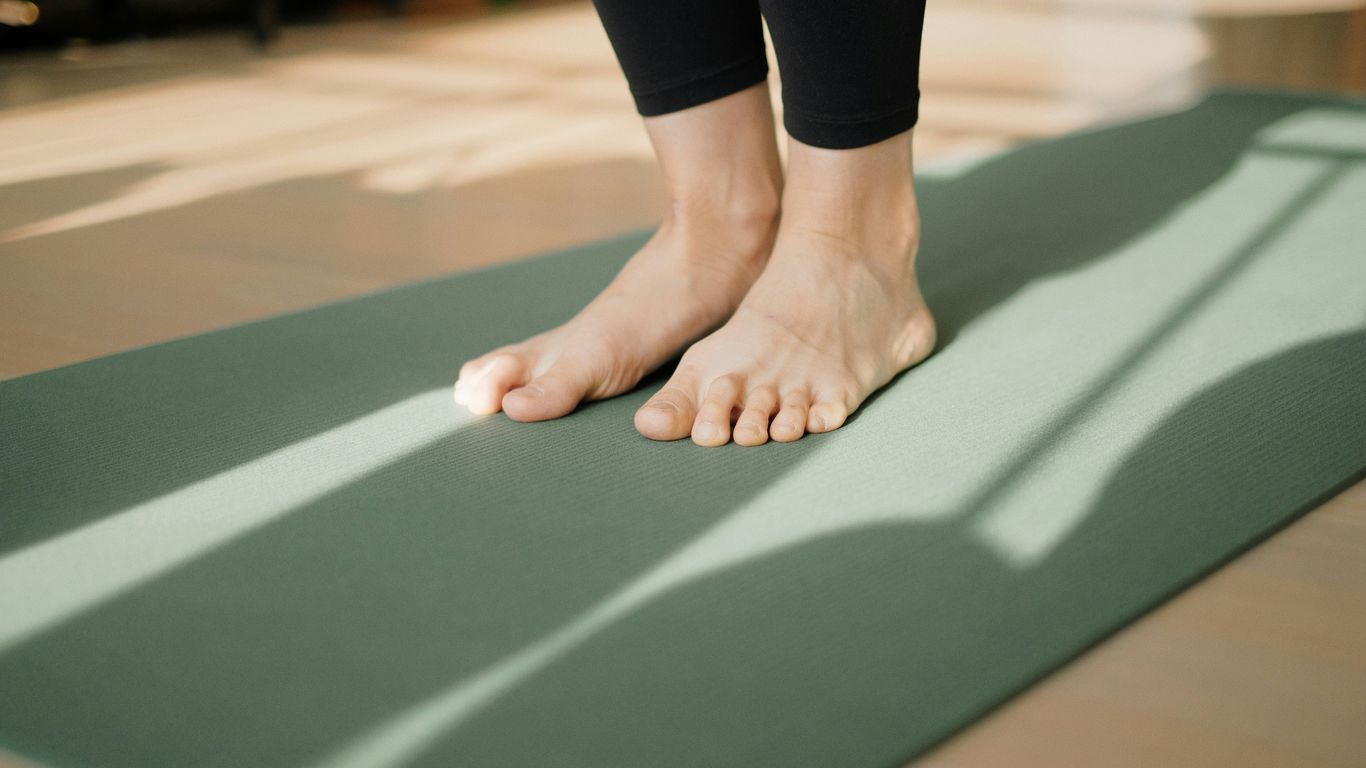
Applying product correctly ensures even coverage without over-saturating the material, which is critical for mats that are prone to moisture retention. A light misting across the entire top surface is generally sufficient to capture dust and oils. By maintaining a consistent distance, you distribute the formula evenly, which encourages a faster dry time.
Wipe-down methods for optimal hygiene
Using a clean, soft cloth is the best way to lift dirt from the crevices of your mat. You should move in circular motions to ensure the product works into the texture, followed by a dry pass to remove any residual moisture. To help you manage your post-practice routine effectively, consider the following checklist for a successful cleaning session:
- Start with a dry cloth to brush away loose debris or dust.
- Spray a fine, uniform layer of the cleaner across the surface.
- Wipe thoroughly until the mat appears clean and free of spots.
- Allow the mat to air dry completely before rolling it up.
Best practices for deep-cleaning versus quick refreshes
For your daily needs, a simple light spray and wipe is perfect, but deep cleaning requires a more dedicated approach. When your mat needs a refresh after an particularly intense session, allow the cleaner to sit for a few moments before wiping. This ensures that the formula penetrates the surface to sanitize effectively, keeping your yoga mat feeling like new for years to come.
Caring for different types of Manduka mats
Treating PRO series mats
These mats are designed for longevity and have closed-cell surfaces that prevent sweat from absorbing deep into the material. Because of this, you only need a light superficial wipe to maintain them. Just be careful not to let excessive liquid pool in areas with high texture or logos where it might reach the edges unnecessarily.
Refreshing GRP series open-cell mats
Open-cell structures are highly absorbent, which adds great grip but also means they soak up moisture and oils quickly. When dealing with these, use your manduka mat cleaner sparingly to avoid over-saturating the core. Frequent, light cleanings are significantly better for these models than waiting for a major buildup to occur.
Maintenance for eKO natural rubber mats
Natural rubber requires a slightly more delicate touch to keep it from drying out over time, as it is a porous, biological material. Always ensure your cleaning routine is consistent but gentle. By staying diligent with your yoga mat wash maintenance, you ensure the natural properties of the rubber remain balanced and grippy throughout its lifespan.
Troubleshooting common cleaning challenges

Removing stubborn sweat stains
Sometimes persistent moisture marks appear after weeks of high-intensity practice. You can address these by gently buffing the area with your selected cleaner, working it slowly into the stained spot. If the stain remains, consider that consistent maintenance prevents deep surface accumulation over time.
Addressing buildup from natural or synthetic oils
Body oils can create a slippery film that interferes with your traction, even on the stickiest mats. A quick wipedown is usually enough if you do it consistently, but using a stronger, cleaner treatment occasionally helps strip those residues. To see how common materials compare in their maintenance needs, observe the following data:
| Mat Material | Cleaning Frequency | Recommended Product |
|---|---|---|
| Closed Cell PRO | Weekly | Mild Mist |
| Natural Rubber | Post-Practice | Light Spray |
| Open Cell GRP | Post-Practice | Very Light Mist |
Dealing with persistent odors
When bacteria settles into the mat's texture, it can create unwanted scents. A proper cleaning routine that includes regular air drying in a shaded area after treatment will resolve most odor issues. It is important to remember that keeping your space clean is a fundamental step in maintaining yoga gear.
Enhancing the longevity of your yoga gear
The importance of regular maintenance schedules
Consistency is the single most effective way to ensure your gear remains functional for as long as possible. By creating a habit where you refresh your surface every time you step off the mat, you stop dirt before it settles. This also serves as a check-in point, helping you notice wear or thinning long before it impacts your practice.
Storage tips after cleaning
Once you have finished your cleaning session, keep your mat in a cool, dry place away from direct sunlight. Sunlight can be tough on many materials, especially natural rubber, causing them to become brittle or faded. Rolling your mat loosely rather than tightly can also help preserve the integrity of the edges and the surface layer.
When to stop using a cleaner and replace the mat
Even the best-maintained gear eventually reaches the end of its useful life. You will know it is time to upgrade when the surface begins to flake, the grip noticeably diminishes regardless of cleaning, or the mat develops deep cracks. At that stage, a new cleaner cannot revitalize the internal material, and replacing the mat is the safest path forward.
Comparing Manduka mat cleaner to homemade alternatives
pH balance considerations
Commercial formulations are designed with specific pH levels that are non-corrosive to yoga mats. When you create DIY mat cleaner at home, it can be difficult to manage the acidity of ingredients like vinegar, which might affect the long-term finish of specialized high-performance materials. Maintaining neutral pH levels is key to preserving the manufacturer's intended surface quality.
The risk of essential oils on specific materials
While essential oils smell wonderful, they are concentrated botanical compounds that can act as solvents. Using too much of a specific oil on synthetic mats can cause the material to soften or dissolve, leading to a permanent loss of traction. If you do experiment, always test a tiny, out-of-the-way corner before applying it across the whole mat.
Convenience and shelf-life pros and cons
Store-bought products offer the convenience of a ready-to-use shelf life and a stabilized formula that you do not have to worry about mixing correctly. While making your own homemade mat cleaning supplies can feel economical in the short term, you lose the safety guarantee offered by products designed specifically for your equipment.
Conclusion
Maintaining your gear with a proper manduka mat cleaner is a simple way to honor your practice and keep your equipment performing optimally. By choosing a dedicated, balanced formula and following a consistent routine, you ensure your mat stays fresh, grippy, and durable. Whether you are using a closed-cell PRO series or a natural rubber eKO, these small habits add up to a much more supportive and enjoyable yoga journey.
Frequently Asked Questions
Can I use dish soap to clean my yoga mat?
Using dish soap is generally not recommended because it contains detergents that are difficult to rinse off completely, leaving behind a slippery residue that ruins your grip.
How often should I wipe down my mat?
It is best to give your mat a quick wipe down after every session, especially if you move through a vigorous flow or hot yoga practice that involves significant sweat.
Is it okay to let my mat air dry in the sun?
Sunlight can cause many yoga materials to degrade or become brittle, so it is always better to air dry your mat in a shaded area with good airflow.
What can I do if my mat smells like sweat after cleaning?
Persistent odors usually mean bacteria has settled into the material; try a deeper cleaning with a mild, soap-free solution and ensure it dries completely on both sides before storing.
Can I use disinfectant wipes on a yoga mat?
Abrasive chemical disinfectants may damage the rubber or vinyl surfaces of high-quality mats, so it is safer to stick with formulations created specifically for yoga equipment care.
How do I know if my mat material is open-cell or closed-cell?
Closed-cell mats like those in the PRO series do not absorb moisture into the core, while open-cell mats like the GRP series are designed to wick moisture and require more careful cleaning.
Does my mat need a deep clean even if I wipe it daily?
Yes, over time, natural body oils accumulate deep in the surface even with daily wipes, so performing a thorough deep clean every few weeks helps keep the material balanced and tacky.

