
10 best yoga mat brands for every practice style
Key Takeaways
Finding the right surface for your movement practice is essential for comfort and stability. These top yoga mat brands offer diverse options tailored to different styles, materials, and portability needs.
- Prioritize mat thickness based on whether you need joint support or steady grounding.
- Consider the material composition for long-term durability and skin sensitivity.
- Evaluate grip performance, especially for hot yoga sessions where moisture can affect stability.
- Look for alignment markers if you are working on refining your pose consistency.
- Choose travel-friendly designs if you frequently practice in temporary or outdoor locations.
1. Lululemon for high-performance grip
When you are moving through a series of sun salutations, the last thing you want is to feel like you are sliding across your floor. High-performance mats are built to maintain traction even when things get sweaty, allowing you to focus entirely on your physical flow. These options are particularly effective for those who appreciate a consistent surface that feels reliable from the first pose to the final resting period.
There are several factors to consider when choosing your ideal gear for a focused session. Whether you prioritize weight, texture, or the specific composition of the upper layer, understanding your unique needs can make all the difference in your daily routine. Here are a few things to keep in mind while comparing your options:
- Traction levels across different humidity environments.
- Material durability under frequent, intense use.
- Ease of cleanup after your session finishes.
- Weight for portability if you attend local classes.
Developing a solid foundation comes down to finding that middle ground between cushion and stability. This balance ensures that your joints remain protected without sacrificing the control required for more advanced balance work. Investing in a mat that holds up to rigorous daily practice sessions will serve you well for a long time to come.
2. Manduka for long-lasting durability
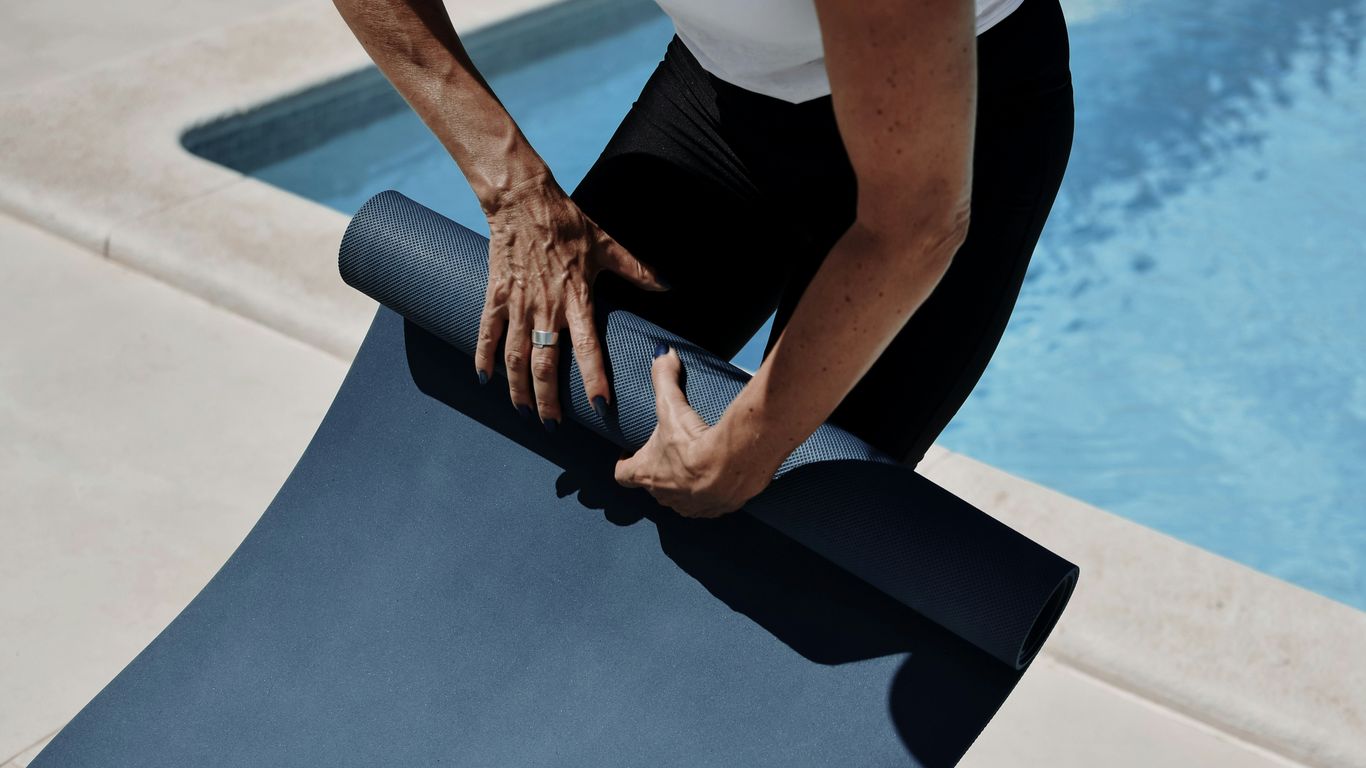
Finding gear that stands the test of time is a smart approach for any committed practitioner. When a surface is designed with longevity in mind, it provides a consistent experience even after years of regular use. Choosing a Manduka model often means you are investing in a product that maintains its integrity without breaking down, peeling, or losing its primary cushioning properties over time.
Many users find that high-quality construction changes how they approach their movement. If your gear is reliable, you stop worrying about shifting surfaces and start connecting more deeply with your movements. The robust nature of these mats, often featuring closed-cell engineering, ensures they remain hygienic and easy to keep clean throughout their lifespan. Here is how some common styles compare in terms of their physical characteristics:
| Mat Type | Ideal Use Case | Key Benefit |
|---|---|---|
| Standard PRO | Home Practice | Maximum Cushion |
| PROlite | Local Transit | Portability |
| GRP Series | Hot Yoga | Moisture Control |
This consistency allows you to perform your routines with total confidence. Once you settle on a mat that feels right, it becomes a trusted partner in your progress. You will spend less time shopping for replacements and more time simply showing up to the mat and finding your rhythm.
3. Alo Yoga for stylish studio aesthetic
Sometimes the visual design of your gear plays a significant role in how you feel during your session. A stylish look can provide that extra bit of encouragement to step onto the mat, especially if you are practicing in a community studio setting. These mats often feature sleek patterns and modern color palettes that pair well with contemporary activewear, making them a popular choice for those who value form just as much as function.
Beyond the aesthetic, there is a clear emphasis on keeping the surface functional for everyday poses. The textures used here often balance a refined finish with decent grip, ensuring you don't compromise performance just for the sake of appearances. It is a satisfying middle ground for those who practice consistently and want their space to feel as good as it looks.
Because these designs are often part of a larger lifestyle collection, they can integrate seamlessly into your existing setup. If you enjoy a clean, curated vibe for your home practice area, these pieces offer that polish. They serve as a constant reminder that your self-care time is an important part of your daily routine and deserves a thoughtful environment.
4. Jade Yoga for natural rubber sustainability
Sustainability is becoming a primary driver for many people looking to refresh their equipment. Materials that are harvested responsibly allow you to practice with peace of mind, knowing your choice supports renewable resources. Jade Yoga is widely recognized for using natural rubber to create surfaces that feel grounded, tactile, and responsive to your body's movements throughout the day.
Using natural materials does not mean you have to sacrifice the performance you require for more intense sessions. These options often excel at providing a natural, "open-cell" grip that keeps you secure during those deeper stretches. It is a very different feeling from synthetic mats, offering a more organic connection to the surface beneath your hands and feet.
When you select an eco-conscious product, you are often participating in a larger commitment to the earth. Companies that focus on natural rubber frequently maintain strict manufacturing standards that prioritize the environment. It is a small contribution that adds up, particularly when you consider the longevity of these mats in comparison to cheaper, mass-produced alternatives that may need replacing frequently.
5. Liforme for alignment-focused guidance
If you find yourself frequently checking your form or worrying about symmetry, an alignment-focused mat might be the upgrade you need. Featuring unique etched patterns, these mats guide your hands and feet into specific, balanced positions. This subtle visual feedback is useful for beginners establishing their foundation or pros looking to fine-tune their practice without overthinking every adjustment.
This approach effectively removes the guesswork from your sessions. Instead of feeling like you are perpetually crooked, you can use the built-in system to verify that your wide-legged forward fold or warrior pose is centered correctly. It is like having a private instructor present on the mat with you at all times, keeping your body in a safe, efficient alignment.
Practicing with a guide on the mat allows for consistent posture development by providing immediate visual confirmation of your position instead of relying on mirrors or guesswork to ensure balance in every pose.
This type of clarity makes the mental side of your practice much easier. You aren't distracted by physical imbalance; instead, you are free to breathe and move within your optimal range of motion. It creates a space where your focus remains internal rather than constantly worrying about your geometry.
6. Gaiam for budget-friendly accessibility
Starting a new habit shouldn't be gated by expensive equipment. Finding accessible options that still provide reliable service is a great way to explore different styles without pressure. Gaiam offers a starting point for those who want to see if a particular type of exercise is right for them by providing straightforward, functional mats that are easy to find and simple to use.
These mats are often lightweight and easy to carry, making them perfect for grabbing on your way to a drop-in class or tucking away in a closet. They don't have the complexity of high-end, dedicated gear, but they hit the basics: enough cushion for comfort and a surface that remains relatively stable during standard poses. For someone just testing the waters, this is often exactly what is needed.
Keep in mind that durability might vary depending on how hard you use them, but for occasional movement, they get the job done. They are excellent for keeping in your car for an impulsive session at the park or as a backup at home. Accessibility is the key here, ensuring that your movement budget is spent on experiences rather than just hardware.
7. Hugger Mugger for classic supportive padding
Sometimes the best choice is the one that feels familiar and reliable. Classics in the world of gear often focus on providing a thicker profile, which is perfect for individuals who find their joints need a little extra TLC. If you struggle with cushioning on hard floors, a mat that leans into support can transform your relationship with floor-work and kneeling poses.
These mats often use dense, traditional materials that hold up well to pressure. They don't compress away instantly, providing a consistent feeling of support even when you are lunging or pressing into the ground with your full weight. It is that classic feel that many people love—stable, supportive, and unobtrusive.
Choosing a supportive mat is about making your practice session sustainable for your body in the long run. If you are comfortable, you are more likely to practice for longer and with better intent. It takes the sting out of floor-based poses and allows you to settle into your restorative moments without any harshness from the surface beneath.
8. B Yoga for ultra-grippy everyday practice
Everyday practice requires a mat that keeps up with the pace of your life. If you move from vinyasa into a quick cool-down, you need something that remains grippy even as your body temperature fluctuates. These mats are often made with a focus on consistent texture that stays effective regardless of whether you just started your session or are deep into a long movement block.
You might notice that these surfaces feel a bit more "tacky" to the touch. That stickiness is exactly what saves you from sliding during downward-facing dog or plank holds. It isn't just about the material; it is about how the mat interacts with your skin when moisture is present. This reliability makes them a favorite for those who practice at home and want a no-fuss experience.
Having a mat that you trust completely changes your workflow. You move faster, with more energy, knowing that the surface won't fail you. It keeps your mind off the technicalities of grip and firmly on the sensation of your movement, which is ultimately what makes your daily time on the mat so rewarding.
9. Yoga Design Lab for artistic patterned surfaces
Bringing art into your personal practice space can elevate the entire experience. These mats are designed with vibrant colors and complex artistic prints that turn your movement session into a visually stimulating event. It is perfect for those who want their home studio to feel like a place of inspiration rather than just a place to burn off energy.
Beyond the visuals, these often integrate technology such as absorbent top layers that mimic a towel, making them versatile for those who sweat during their sessions. It essentially combines your towel and mat into one piece. This design choice is practical for those who travel or simply want to keep their gear count down, but it also doubles down on the aesthetic appeal.
Having a beautiful, patterned mat can change your mindset before you even begin your first sequence. It feels less like a "workout" and more like a creative ritual. When your environment reflects your personality, it becomes much easier to maintain your consistency and find joy in the moments you spend moving your body.
10. Yoloha for eco-friendly cork benefits
Cork is an interesting material that brings a unique set of benefits to the floor space. It is naturally antimicrobial, which is a big plus for those who prefer to keep their gear fresh without needing constant deep cleans. Beyond its cleanliness, cork offers a grip that actually improves when it gets slightly wet, making it an excellent choice for anyone who finds they break a sweat during their practice.
This material is also quite sustainable, as it is harvested from the bark of cork trees without causing any harm to the tree itself. It feels firm but supportive, offering a grounded sensation that many practitioners find ideal for balance-heavy sequences. It is a departure from the spongy, latex, or rubber mats most people are used to, offering something a little more structured.
If you are tired of the smell or maintenance associated with synthetic, closed-celled mats, cork can be a refreshing switch. It brings a natural warmth to your practice space that is both pleasant to the touch and highly functional. It is a great way to simplify your gear setup while still getting all the support and traction you need.
Conclusion
Selecting the ideal equipment for your movement practice is a deeply personal process that balances your specific needs for grip, cushion, and sustainability. Whether you prioritize a mat that can withstand intense humidity or one that provides superior alignment guidance for your daily stretches, the options covered today offer something for every preference. Remember that the best surface is the one that invites you back day after day, supporting your goals and keeping you comfortable throughout every transition.
Frequently Asked Questions
How often should I replace my yoga mat?
Most mats last between one and three years depending on the frequency of your practice and how well you take care of the surface. You should look for signs of wear such as crumbling material, deep indentations that no longer spring back, or a significant loss of grip.
Can I use a regular gym mat instead?
While you can physically perform poses on a gym mat, it is usually not recommended because standard gym mats are often too thick or mushy, which can cause you to lose your balance during standing poses. Yoga-specific mats offer better density for supporting your joints without sacrificing stability.
What is the advantage of a thicker mat?
Extra thickness provides more padding for your knees, hips, and back during floor work, which is very helpful if you have joint sensitivity. However, keep in mind that a thicker mat can sometimes be less stable during balancing poses compared to thinner versions.
Does material affect grip during hot yoga?
Yes, material is highly important for hot practice where moisture is significant. Open-cell materials or cork mats often perform better in these conditions because they naturally handle moisture, whereas some smooth, non-porous materials may become slippery once they get wet.
Should I prioritize eco-friendly materials?
Choosing eco-friendly materials like natural rubber or cork is a great way to reduce your personal environmental impact. These materials are generally made from renewable resources and often avoid harmful chemicals found in some lower-cost synthetic alternatives.
How do I clean my mat properly?
Cleaning depends on the material, but a simple wipe down with a mild soap and water solution is usually sufficient for standard mats. Avoid harsh chemicals or soaking your mat in water, as this can degrade the materials or lead to mold growth if it doesn't dry thoroughly.
Why do some mats have alignment markers?
Alignment markers are etched into the surface to help you check your hand and foot spacing to ensure your body is centered during complex poses. They are particularly useful for those who practice solo and want to refine their posture without the need for a mirror or professional supervision.

