

How to choose the best non skid yoga mat for a secure practice
Key Takeaways
The best non skid yoga mat is the one that feels secure in your actual practice, not just one with a promising label. Compare grip, cushioning, size, and care before you decide.
- Surface texture and material both affect how steady a mat feels.
- Heat and sweat can change traction, so consider whether you need a towel.
- Match cushioning and thickness to your poses and preferred level of stability.
- Check the mat’s weight and dimensions if you carry it to class or travel with it.
- Test grip and read the care instructions and return policy before buying.
What makes a yoga mat non skid
A mat feels non skid when its surface gives your hands and feet enough traction to stay in place as you move. That feeling depends on more than a label: texture, material, moisture, and the floor beneath the mat all play a part. Think about the poses you practice most and the conditions you practice in, then use those details to judge whether a mat is likely to suit you.
How surface texture affects grip
Texture gives your palms and soles points of contact with the mat, but a heavily patterned surface is not automatically more secure. Notice whether it feels consistent beneath both your hands and feet, especially when you shift your weight between poses. A few minutes of testing can reveal whether the texture feels comfortably grippy or distracting underfoot.
Why mat material matters
Materials can differ in feel, weight, cushioning, and care needs, so compare the whole experience rather than choosing by material name alone. A surface that feels steady during a dry, slow practice may respond differently during faster movement or a sweaty session. For a simple starting point, this non-slip mat guide also focuses on how traction matters during practice.
How moisture changes traction
Sweat can make some surfaces feel slicker, while other mat surfaces are designed to handle moisture differently. If your hands tend to get damp, test the mat under conditions close to your usual practice and consider keeping a towel nearby. Grip under real conditions matters more than a reassuring first touch in a cool, dry room.
Match the mat to your yoga style
Your practice gives you useful clues about what to prioritize. A steady, warm flow may call for dependable traction, while a slower session can put more emphasis on comfort under the knees and hips. If you like to take your practice outdoors or between home and the studio, carrying convenience matters, too.
Choose grip for hot yoga and sweaty sessions
Heat and sweat can make traction feel different from how it does at home, so look for a surface that stays comfortable as your hands get damp. An absorbent yoga towel can add a layer between you and the mat when moisture is part of your routine. The Yune Yoga Skaro is described as a 6mm mat for practices including vinyasa and hot yoga, with a stable base and cushioning.
Balance cushioning and stability for standing poses
A mat should feel comfortable when you kneel or sit, but very soft cushioning can make balance feel less direct. If you move often between standing poses and floor work, look for a middle ground: enough padding for comfort, without feeling as if your feet sink into the surface. Try a familiar standing pose before deciding whether the balance feels right for you.
Consider portability for travel and studio classes
If the mat will travel with you, weight and packability become part of the decision. A lighter mat may be easier to carry between home, studio, park, or hotel room, while a carrying strap or foldable design can make packing simpler. The Yune Yoga Nakata is described as suitable for home, studio, or travel, and its listed features include a 6mm thickness and a moisture-resistant surface.
Compare common mat materials
Material can shape how a mat feels in your hands, how much it weighs, and how you care for it. There is no single option that suits every practice, so compare likely trade-offs against your own priorities. The table below is a starting point, not a substitute for checking the specific mat’s construction and care instructions.
Natural rubber for traction and cushioning
Natural rubber is one material to consider if you value a substantial feel and traction. The exact surface still matters, so check how it feels under your hands and whether the mat’s weight works for your routine. For example, this rubber yoga mat pairs a natural rubber bottom with a microfiber suede top and a carrying strap; those details offer a useful reminder to look at the whole construction, not just one material.
PVC for durability and easy maintenance
PVC mats are often chosen for a familiar, resilient feel, but products can vary in texture and care requirements. Read the instructions instead of assuming every surface can be washed the same way. A wipe-clean or washable description may be convenient, but it is still worth checking which cleaning methods the manufacturer allows.
TPE and other lightweight alternatives
TPE and other lightweight materials may appeal if you want a mat that is easier to carry, though the feel and grip depend on the particular design. Use the comparison as a prompt for what to investigate, rather than a rule that applies to every mat in a category.
| Material or feature | What to consider | A useful check |
|---|---|---|
| Natural rubber | Feel, traction, and carry weight | Test grip and check the care label |
| PVC | Surface texture and cleaning directions | Confirm which cleaners are permitted |
| TPE or other lightweight options | Portability and surface feel | Try standing and floor poses |
A material label narrows the search, but it cannot tell you how the mat will feel in your own practice. Use the table to guide questions, then judge the surface and construction of the individual mat.
Evaluate thickness, weight, and size
A mat’s dimensions and padding affect both comfort and how it behaves underfoot. More thickness can feel welcome during kneeling poses, but it may also change the sense of connection to the floor. Check measurements alongside material and grip so you know what you are choosing before the mat arrives.

Find cushioning that supports your joints
If your practice includes a lot of kneeling or seated poses, cushioning may be a priority. Consider whether the mat feels supportive enough for those positions without becoming so soft that transitions feel unstable. The Yune Yoga Obsidian Ridge Mat is described as a 6mm mat with a cushioned surface and a double-sided texture, offering details you can weigh against your own comfort and grip preferences.
Check weight and dimensions before buying
A mat that is easy to carry can make a regular studio visit or a trip feel less complicated. Check the listed length and width against your body and the space where you usually practice; a mat that feels cramped can interrupt movement. When comparing options, keep these practical checks in mind:
- Confirm the mat’s length and width against your usual practice space.
- Check the listed weight if you will carry it often.
- Look for a strap, foldable design, or other packing details you will use.
- Consider whether the mat’s size suits both floor poses and standing movement.
Those small checks can help you avoid choosing a mat that feels right on paper but is awkward to carry or set up. If portability is a priority, compare the actual packed form as well as the open dimensions.
Consider how mat thickness affects balance
Thickness is a personal trade-off rather than a score where more is always better. A cushier mat may feel pleasant for floor work, while a thinner, firmer surface can feel more connected during standing balance poses. Try the thickness in a few familiar positions and notice whether it supports your joints without making the floor feel far away.
Check care, durability, and value
A mat’s upkeep is part of the ownership experience, especially if you practice often or carry it between locations. Before buying, read how the surface should be cleaned and whether it needs time to dry before you roll it up. Durability also depends on use, storage, and care, so compare the product’s stated details with your routine.
Clean the mat without damaging its surface
Follow the maker’s cleaning directions and avoid assuming that a strong cleaner or a soak is harmless. Some surfaces are suited to a damp wipe, while others may need a gentler approach. If you practice away from home, a mat that is easy to spot clean can be convenient; check the instructions to see what that means for the specific mat.
Look for signs of wear that reduce grip
With regular use, inspect the surface for areas that look smooth, damaged, or noticeably different from the rest of the mat. Pay attention to places where your hands and feet repeatedly land, since those are the areas you rely on for traction. If the mat begins to feel less secure, pause and assess whether cleaning or visible wear may be involved.
Compare price with expected lifespan
Value is about more than the purchase price: consider how the mat fits your practice, how easy it is to maintain, and how often you expect to use it. A useful buying habit is to look beyond a headline and check the details behind a choice. Guides to crypto security practices, nearby storage options, beginner drone features, garage door insurance, and garage door safety all focus on matching considerations to a particular need; the same practical mindset can help you assess a mat’s materials, care instructions, and likely everyday usefulness.
Test grip before committing
If you can try a mat in person, give it more than a quick touch. Move through a few familiar positions, shift your weight, and notice whether your hands or feet slide. When testing online is not possible, a clear return policy gives you a chance to assess the mat at home before making it part of your routine.
Try poses that reveal slipping
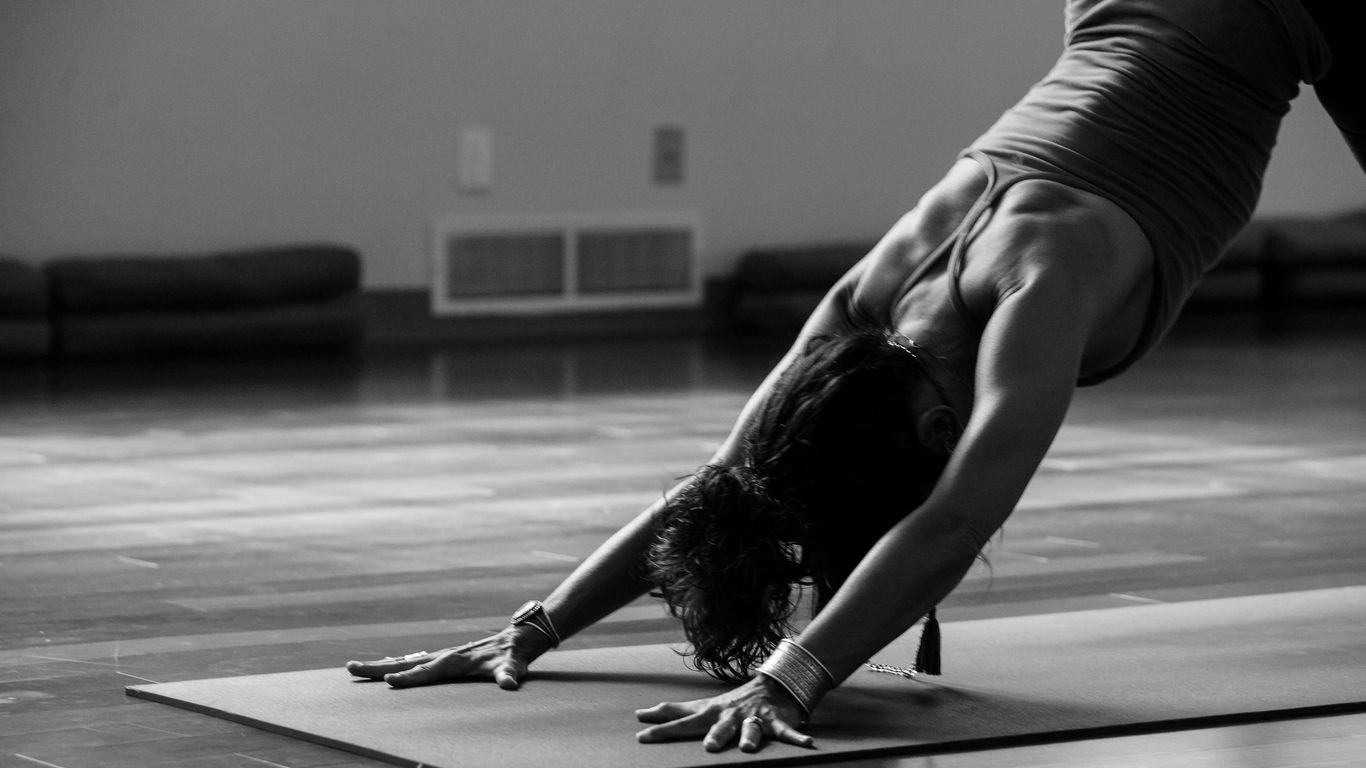
Choose a few poses that put pressure through your hands and feet, such as downward-facing dog, a lunge, or a standing balance. Move slowly and notice whether you can hold your position without clenching or adjusting constantly. A mat should feel steady enough for your practice while still allowing comfortable transitions.
Check traction with dry and damp hands
A dry-hand test is a useful first step, but it may not reflect a warm or vigorous session. If it is safe and practical, lightly dampen your hands and check whether the surface still feels secure; do not soak the mat unless its care directions allow it. This gives you a more realistic sense of how moisture might change the experience.
Review return policies and warranties
Before buying, check how long you have to return the mat, whether it must be unused, and who pays return shipping. Read the warranty terms as well, including any limits related to wear or care. Clear policies do not guarantee a perfect fit, but they can make it easier to try a mat without rushing your decision.
Conclusion
Choosing a secure mat comes down to testing the details against the way you practice: surface grip, moisture, cushioning, dimensions, and care all matter. Start with the conditions you encounter most often, then choose a mat that feels steady, comfortable, and practical to carry and maintain.
Frequently Asked Questions
What makes a yoga mat non skid?
A mat’s traction depends on its material, texture, moisture, and how it interacts with the floor. Testing it in poses you actually practice is more useful than relying on the label alone.
Is a thicker yoga mat better for grip?
Not necessarily. Thickness mainly affects cushioning and how connected you feel to the floor, while grip depends on the surface and practice conditions.
What yoga mat is best for sweaty hands?
Look for a surface that feels secure when your hands are damp, and consider using an absorbent yoga towel. If possible, test traction in conditions similar to your usual session.
How do I test a yoga mat for slipping?
Try poses that place weight through your hands and feet, such as downward-facing dog and a lunge. Notice whether you can stay steady without repeated adjustments.
How often should I clean my yoga mat?
Follow the care instructions for your specific mat and clean it as needed based on how often you practice and how much it gets soiled. Let it dry as directed before rolling it up.
What thickness is a good starting point for a yoga mat?
A middle-ground thickness can suit a mix of standing and floor poses, but comfort is personal. Consider how much kneeling you do and whether added padding affects your balance.
How do I choose a yoga mat for travel?
Check its weight, packed size, and any carrying or folding features. Make sure the open dimensions still give you enough room to practice comfortably.


